


Supplement Category: Shooting on Film
The positives in the negative
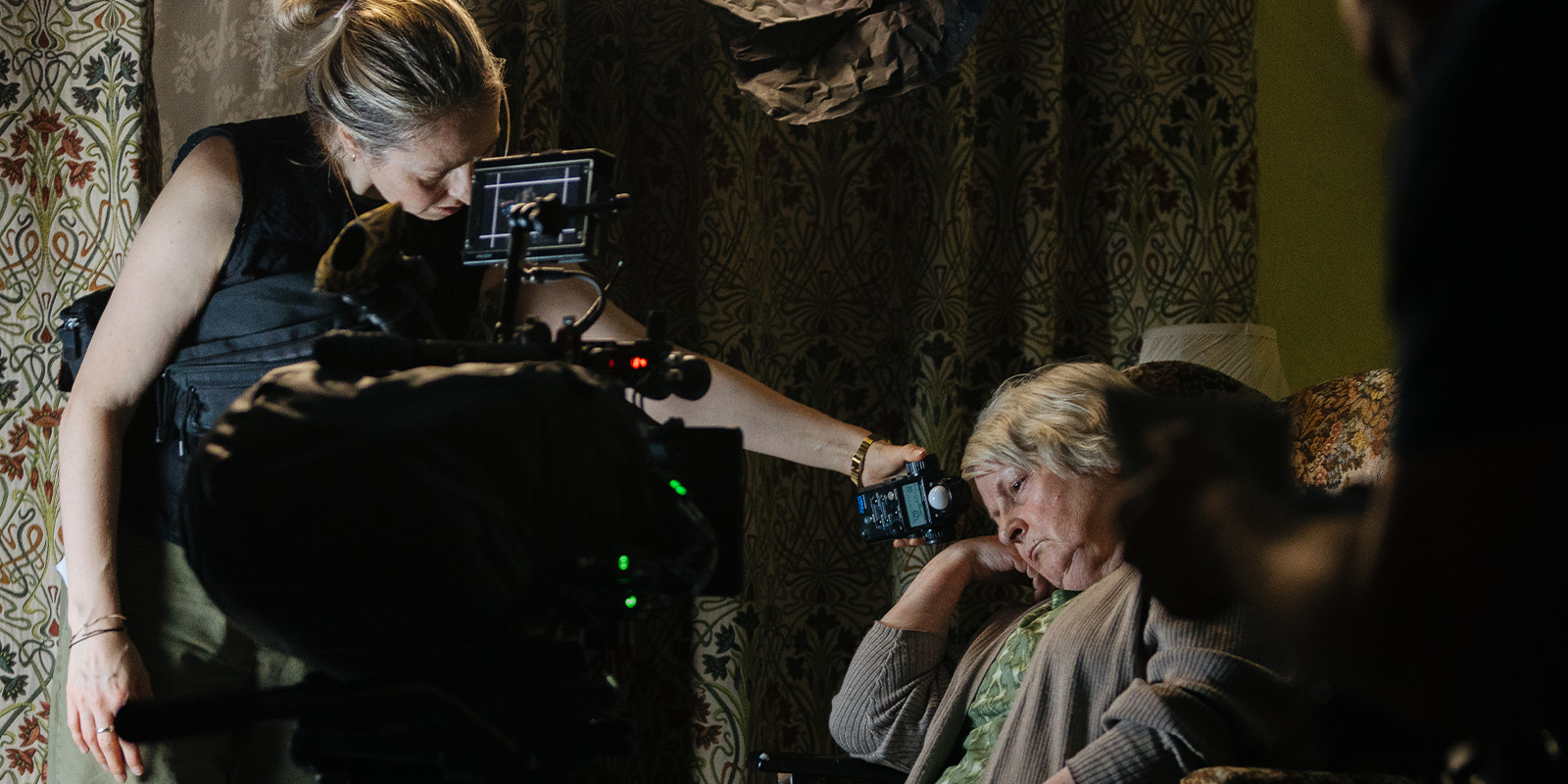
Film capture is thriving. Whether it’s the visceral handheld of The Smashing Machine, the shallow-focus portraiture of Bugonia, the lonely suburbs of Dragonfly, or the intimate vignettes of Rituals: Union Black, filmmakers are embracing the unique aesthetics of analogue. “There’s a lot of hyperbole about the different magics of celluloid, but I generally think the chemical process of film losing silver … Read more
Film Lab 2.0
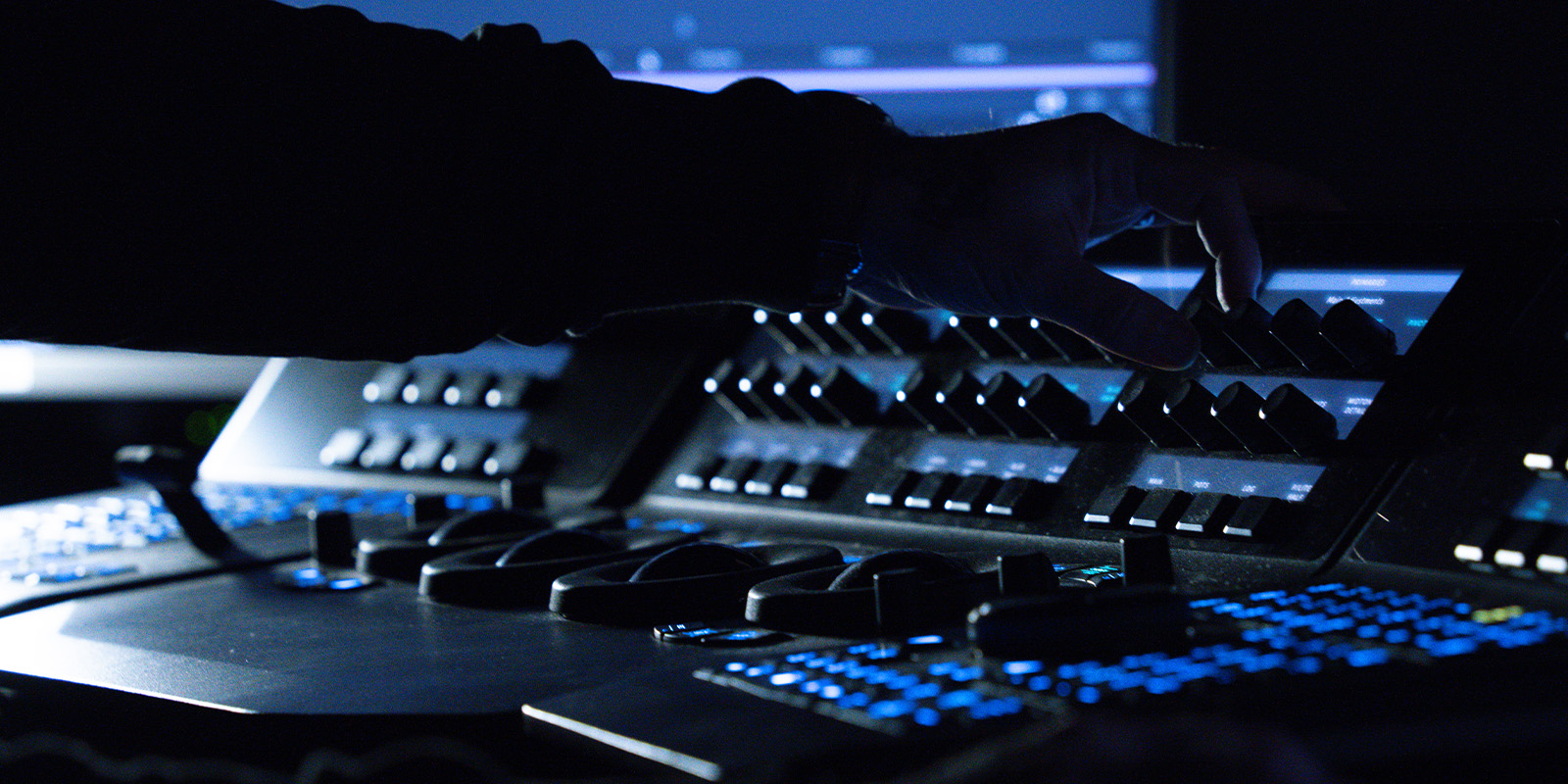
Cinelab marries analogue craft with digital innovation in the service of the filmmaker’s vision. Cinelab Film & Digital represents the 21st-century evolution of the film laboratory: a place where a 100-year-old analogue capture medium is integrated with cutting-edge digital imaging technology. Led by a team of engineers, technologists, colour specialists and creative operators, Cinelab focuses on supporting filmmakers, storytellers and image-makers across every scale of production. “From the … Read more
Push and pull processing

PUSHING IT Every film stock has a developing time recommended by the manufacturer, but by altering that time you can change the effective speed of the film with various interesting side effects. Central to the film processing lab is the developing bath. There the exposed silver halide crystals of the latent image transform into black metallic silver, … Read more
Training
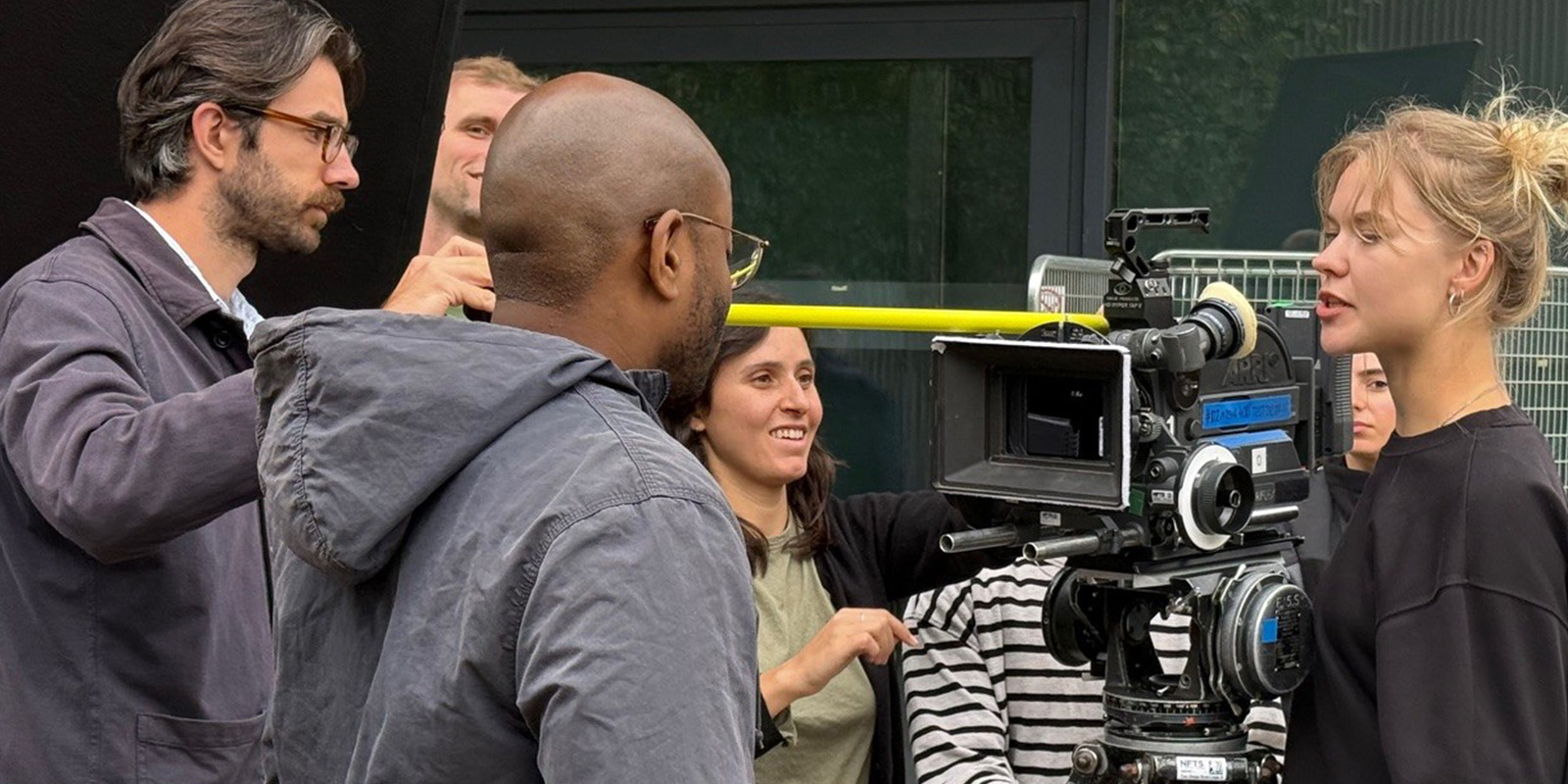
THE REEL DEAL As digital dominates, a new generation of filmmakers is rediscovering the discipline, patience and pure craft of shooting on film. Long-established technologies quite often enjoy the support of long-experienced adherents, even after alternatives have arrived. Keeping succeeding generations interested, though, is often trickier – though current camera neophytes seem refreshingly keen to maintain tradition. Oliver Stapleton … Read more
Restoration and preservation
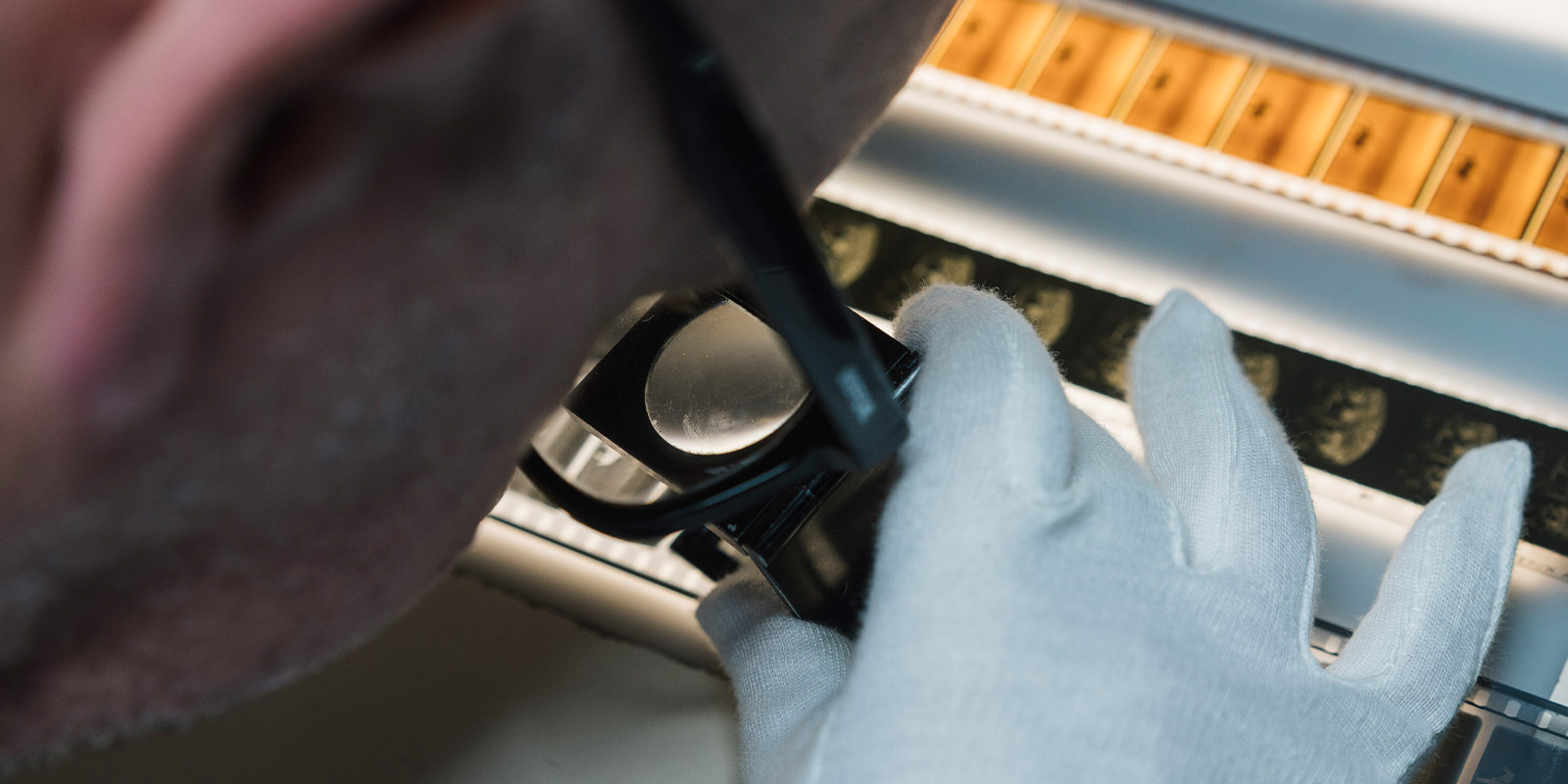
RESTORATIVE POWER The BFI, a global leader in film preservation and restoration, offers a rare look inside its National Archive, led by head of conservation Kieron Webb. Fresh off the back of the second instalment of the successful BFI Film on Film Festival, British Cinematographer made the trip to Berkhamsted to see where the magic happens. The … Read more
16mm
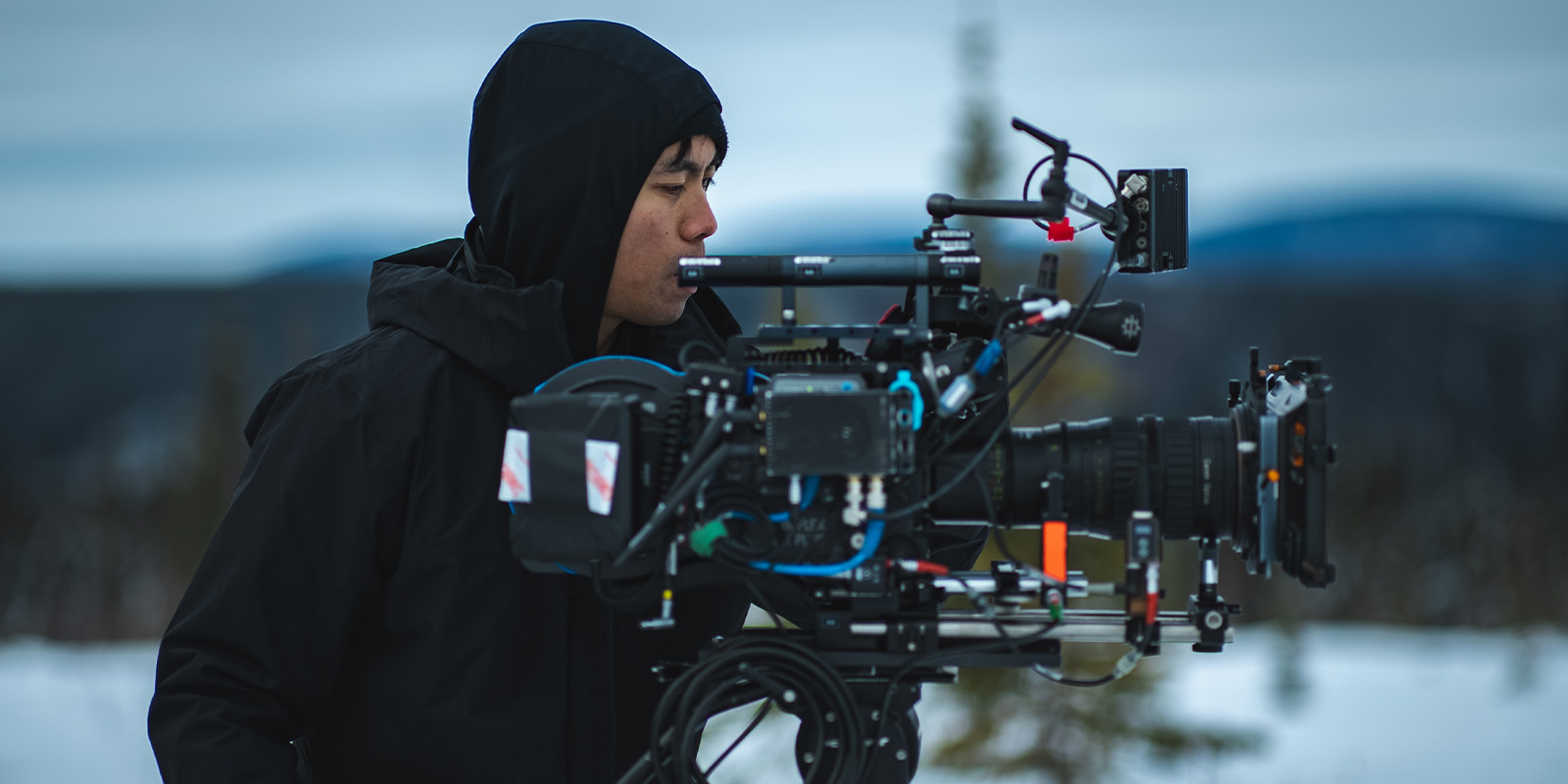
SWEET 16 First introduced in 1923 and aimed at amateurs, the 16mm film gauge developed into a professional and popular format in TV, documentaries, music promos and independent film. In recent years it has had something of a renaissance. “I think 35mm can feel too clean sometimes,” remarks cinematographer Sheldon Chau. When prepping the Alaskan short film Two Old Women, he … Read more
Film stock
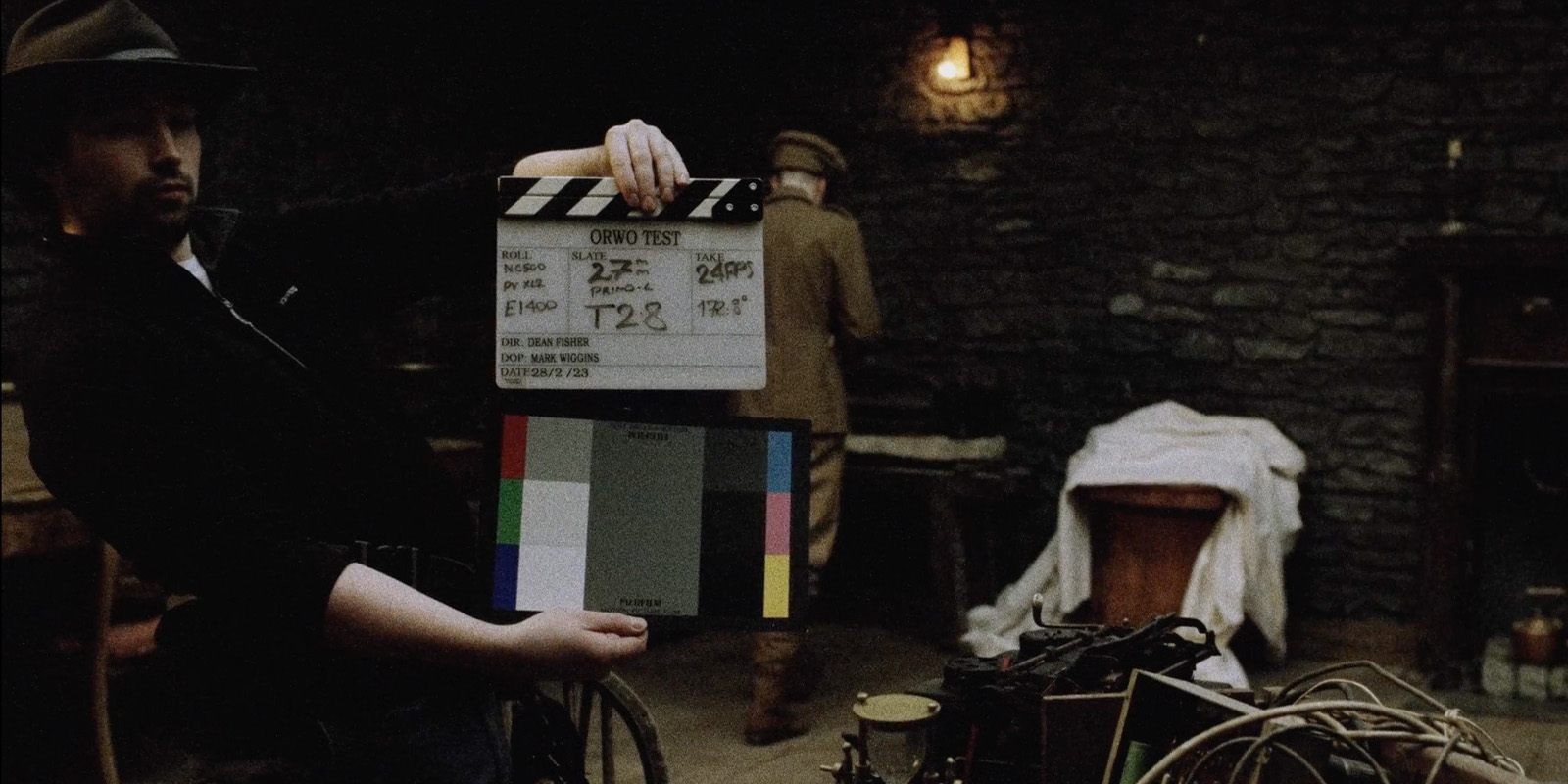
TAKING STOCK Around 12 years ago it seemed that manufacturing of motion picture film stock might end forever, but thanks to Kodak’s rise and recent developments elsewhere, filmmakers today still have creative choice when it comes to stock. Shooting colour film today often means choosing from the four negative stocks in Kodak’s Vision3 range: 50D or 250D for a … Read more
Lens choice
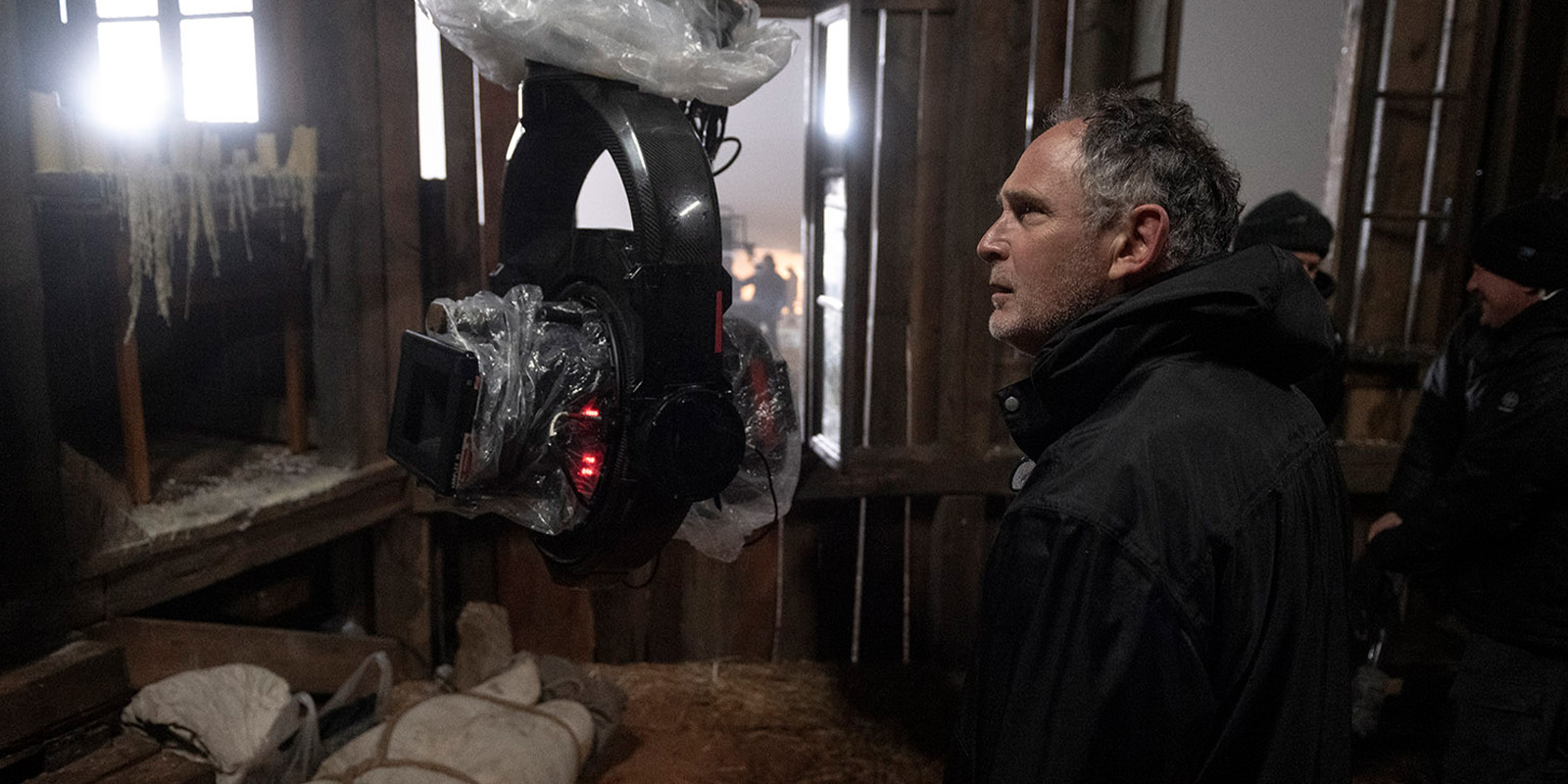
FOCUS GROUP As digital pushes cinematographers toward retro lens choices, film continues to offer unmatched depth, texture, and surprise — shifting how creatives see, shoot and select glass. Affordable digital cameras with Super 35mm-sized sensors have provoked the development of a bewildering variety of lenses. Many of them have been built to create effects reminiscent of classic … Read more
Cameras
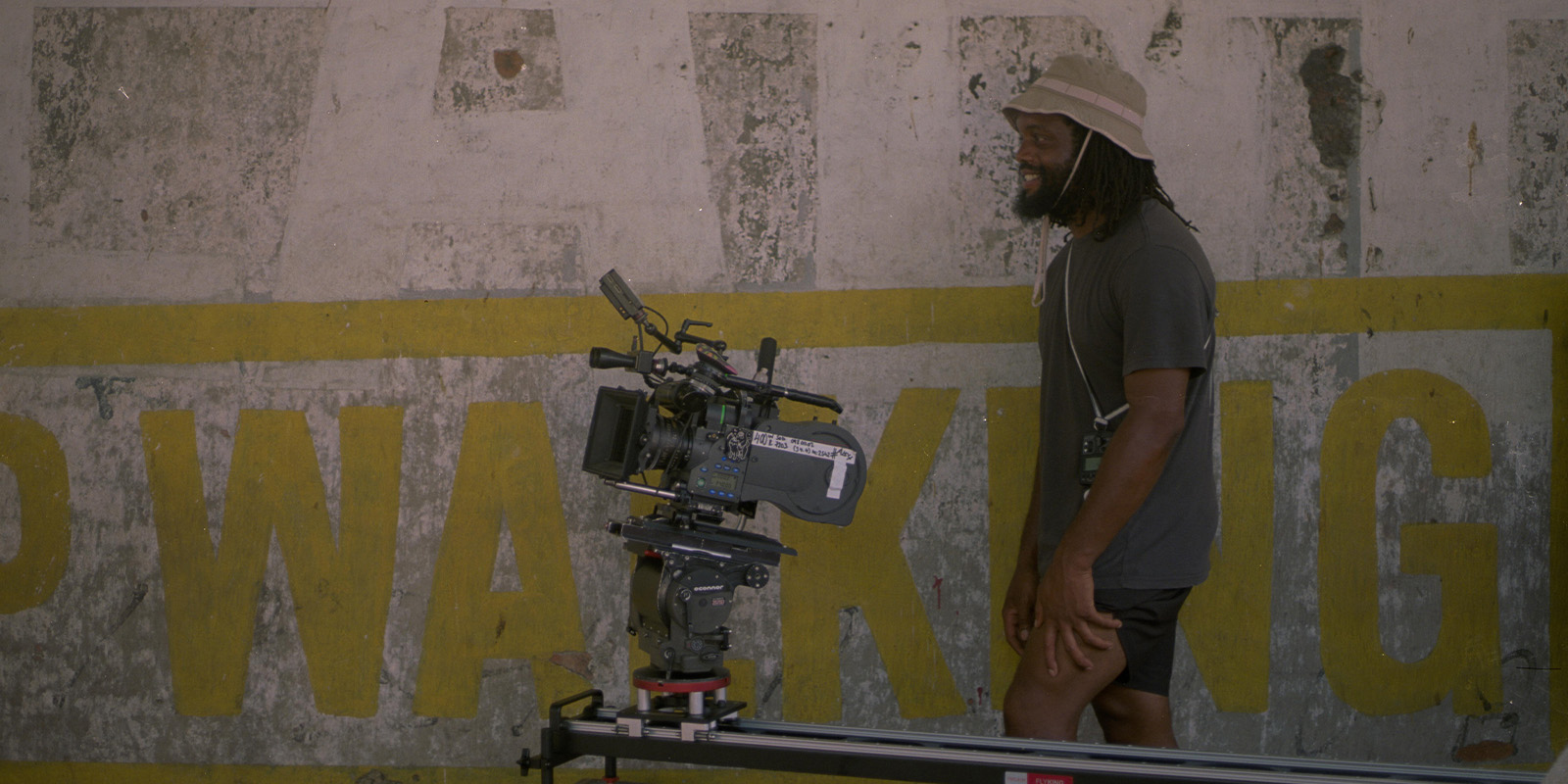
THE ROLE OF THE CAMERA Production of new motion picture film cameras ceased over a decade ago with the rise of digital acquisition, but fortunately there are plenty still around for contemporary DPs to use. Some of the last film cameras to be released were the Aaton Penelope and the 16mm Arriflex 416 in the late noughties. Other mainstays … Read more
Lighting
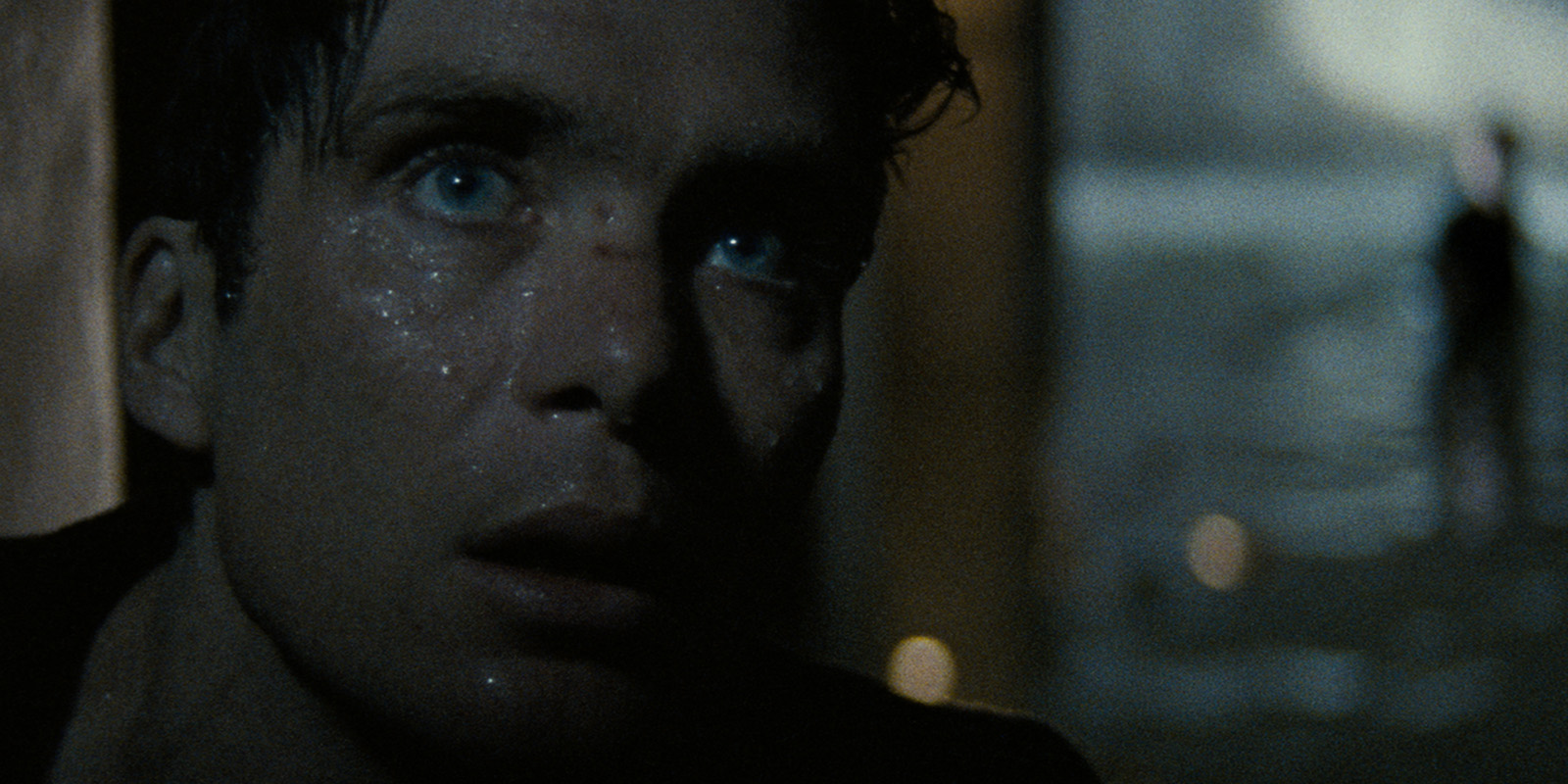
SEEING THE LIGHT Do cinematographers light differently for film versus digital? “I tend to light film and digital in a very similar way, with film being more flattering, so I tend to diffuse the light less,” says DP Lorene Desportes. “I would also try to stick to tungsten if possible, to be extra-safe with skin tones, although … Read more
Virtual production

OFF THE WALL Filmmakers blend 16mm film with LED walls, overcoming colour, lighting and synchronisation challenges through testing, achieving a seamless fusion of traditional film texture and virtual production techniques. (Lead image credit: Kato Boels) Combining virtual production with film is a heady combination, merging the old and the new to add a welcome patina to a popular technique … Read more
Sustainability
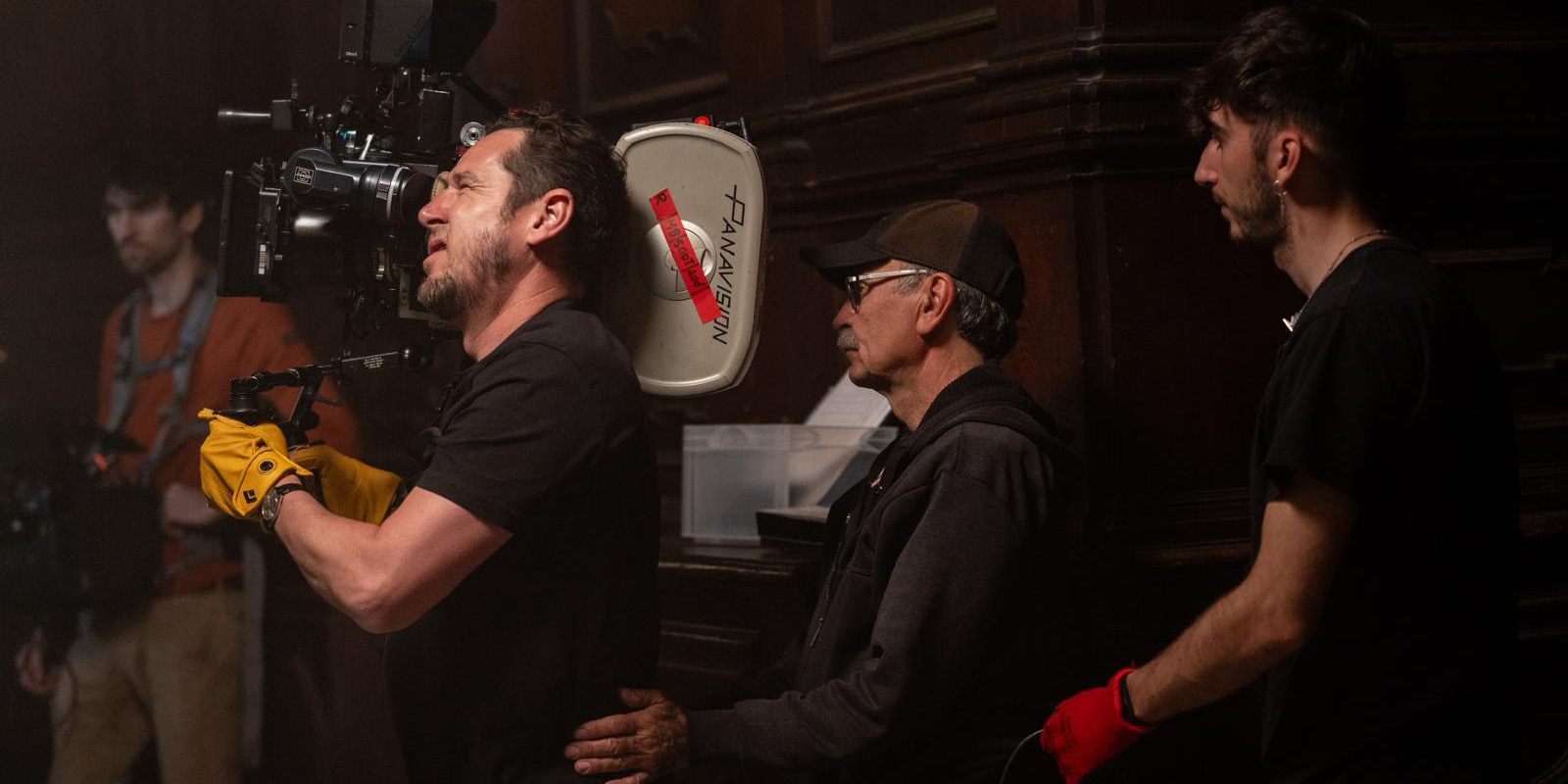
FRAMING A GREENER FUTURE New eco-friendly film backing reduces waste and water use, helping cinematographers balance classic celluloid artistry with modern sustainability. Kodak recently changed the reflection-minimising backing on its motion picture film stocks, marking the first sustainability update in years. Yet the industry still worries about transport and manufacturing. Nic Knowland BSC is a … Read more
Working with a lab
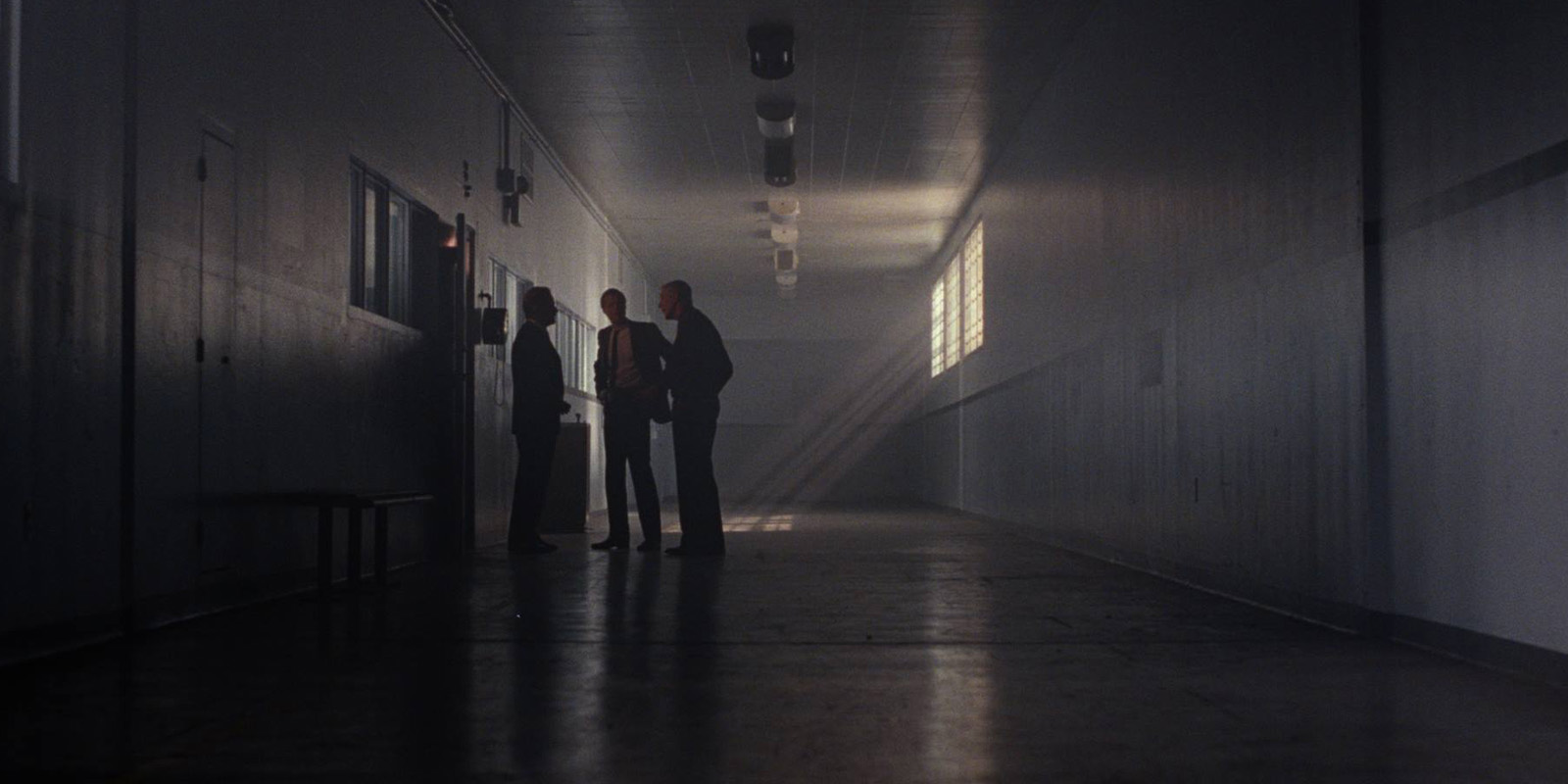
WORKS OF ART Cinematographers balance artistry and precision, testing film stocks and working with labs to capture colour and mood. An old master might question painting an image only to discover the oils’ colour afterward. That exaggeratedly describes the cinematographer-lab relationship, but it remains partly true. Fewer labs and more workflows make life no simpler. Tim Sidell … Read more
Service and support across film formats

Panavision continues to build on its legacy of expertise supporting film acquisition. “Shooting film in general, it’s a very personal relationship,” says cinematographer Autumn Durald Arkapaw ASC, whose recent projects The Last Showgirl and Sinners ran the gamut from Super 16mm to 5- and 15-perf 65mm. “Only I know what’s going to be exposed. That’s a big, important job, and I take it seriously.” “There is a mystery to film,” agrees … Read more