

WORKS OF ART
Cinematographers balance artistry and precision, testing film stocks and working with labs to capture colour and mood.
An old master might question painting an image only to discover the oils’ colour afterward. That exaggeratedly describes the cinematographer-lab relationship, but it remains partly true. Fewer labs and more workflows make life no simpler.
Tim Sidell BSC has much experience navigating that world. “My background is in fine art, painting, video installation, experimental film and finally cinematography, so I very naturally worked with other artists. There are two different mindsets at work. One is being the sole author, which you are as an artist, and the other is riding shotgun, collaborating, where you’re not the main voice but you’re helping articulate a concept. I continue to work with artists and make my own experimental work, and they call on different parts of a psyche. With the lab, it’s a slightly more technical leaning rather than creative. I remember receiving the lab report sheets and if the printer light numbers added up to 90, I was OK! This was key when printing to film optically, which was a core part of my work. The landscape of labs in London is quite different now though and I think the labs are trying to unify what they do with the digital path, with the option to reduce costs and walk away with a log image.”
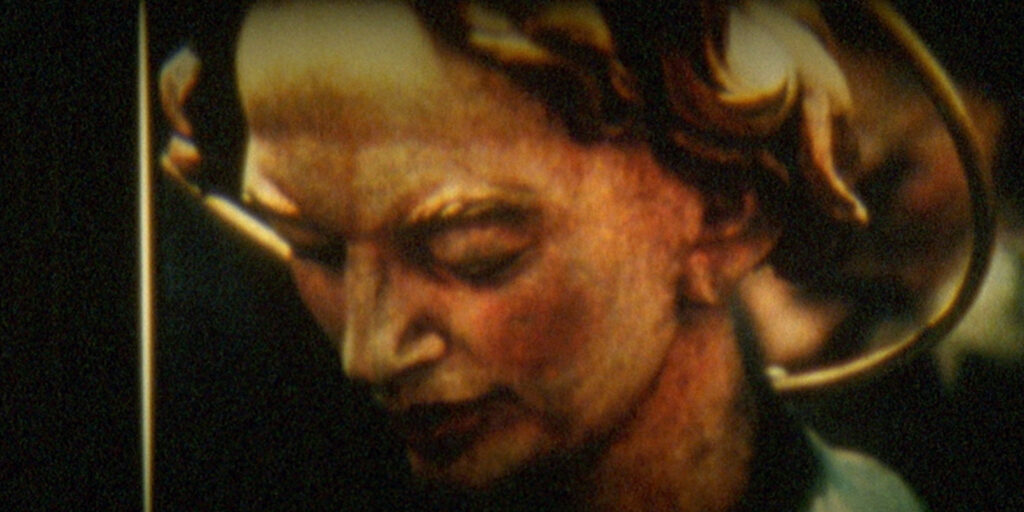
Digital cameras have shifted that responsibility toward DITs, but film makes it the domain of the lab contact. “The person I rely on is Paul Dean at Cinelab London, because I’ve worked with him for so long,” Sidell says. “I’ll send him mood boards before the shoot. It may be that we’re getting our dailies every three days and he’ll send me stills about how he’s done his one light, or best light, but invariably, it’s exactly where I want it to be.”
A traditional approach
Cinematographer Trevor Forrest’s involvement with film has been as comprehensive. “I used to work with Kodak a lot,” Forrest begins. “I’d shoot tests for them. They’d bring out a new film stock and have four versions of it to the left and four to the right. I got to try all the stocks, even the ones that didn’t get released!”
That depth of experience was essential as far back as Una Noche, for which Forrest shared Tribeca’s award for cinematography with Shlomo Godder in 2012. “It was shot on some short ends from Green Zone which had been on a truck in Morocco for 18 weeks. We had to clip test every roll! It was 5219, 5279 and 5245 but [performance] depended on how cooked it was. Half of it was almost pre-flashed – the ‘45, which was quite contrasty and saturated because it’s 50D, had these wonderful, east coast America peachy colours that worked wonderfully in the winter light of Havana.”
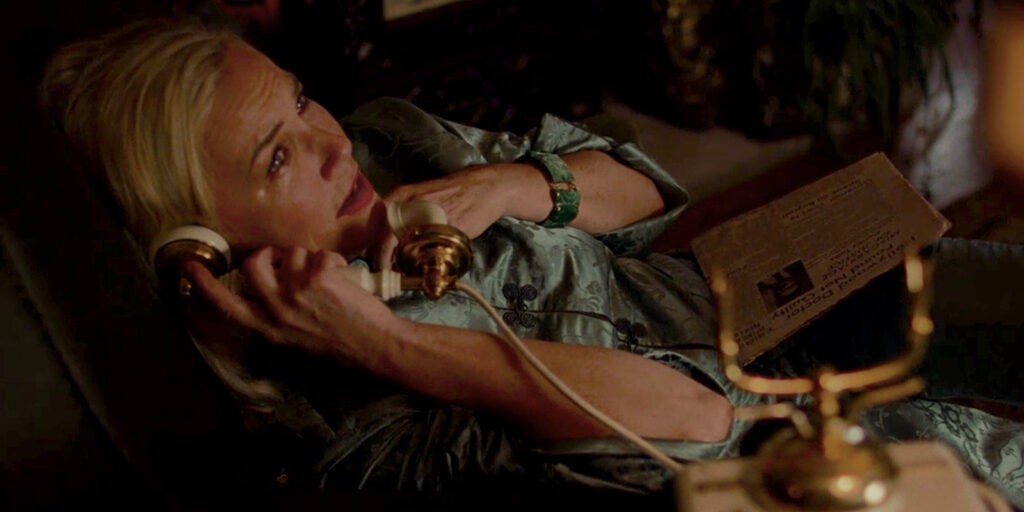
The traditional approach, Forrest confirms, endures. “When we were shooting I Am the Night, which I shared with two other cinematographers, Michael McDonough [ASC BSC] and Matthew Jensen [ASC], we’d see dailies every day. [It] was a kind of learning process – you can go a bit further, let’s use the way that falls off, how these highlights glow, take a lens that has even more blooming on it…”
Almost every discussion about film technique has a common thread: the respect and willing assistance which surrounds it. “There’s a rarity of film,” Forrest muses. “It’s generating some pride in the work. It’s less about the money.” The old stressors, though, endure, especially when special techniques are involved. “Every cinematographer will tell you tales of not sleeping the night before [dailies] because you think you’ve gone too far.”
Words: Phil Rhodes
Sponsored by Cinelab