

THE REEL DEAL
As digital dominates, a new generation of filmmakers is rediscovering the discipline, patience and pure craft of shooting on film.
Long-established technologies quite often enjoy the support of long-experienced adherents, even after alternatives have arrived. Keeping succeeding generations interested, though, is often trickier – though current camera neophytes seem refreshingly keen to maintain tradition.
Oliver Stapleton BSC is co-head of the cinematography department at NFTS with Stuart Harris BSC. Stapleton says that future camerapeople are perhaps more enthusiastic than the directors for whom they will work. “The cinematographers tend to be 100% positive about film. You get a smaller proportion of directors who are enthusiastic [because] it’s restrictive… directors are about 30% positive!”
At the same time, Stapleton says, the 30% of aficionados tend toward dedication. “They get very upset if we say they can’t do their graduation film on film. We only allow two or three grad films out of 10 to be on film. There was a director who we turned down… she was so upset. She did learn that lesson and it was a good one to have at the film school and not in the industry!”
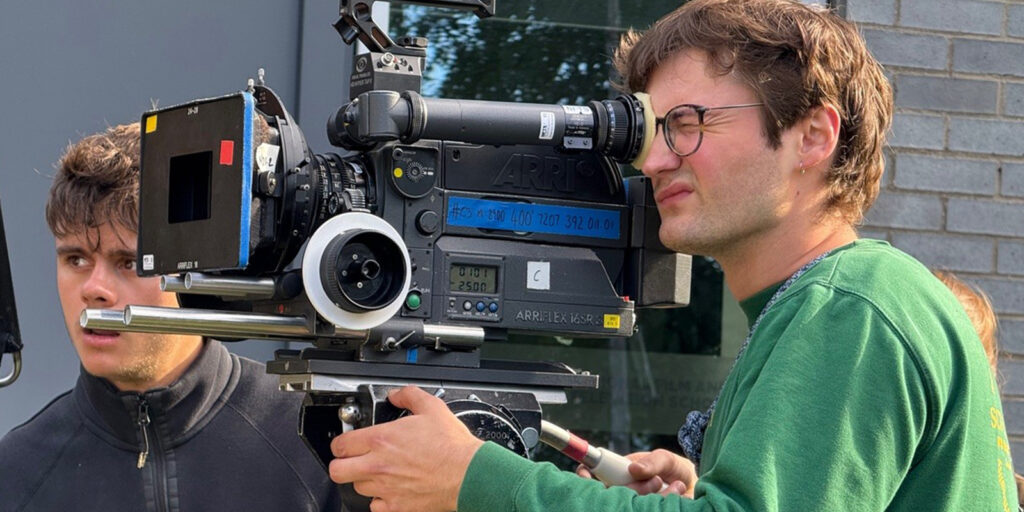
The practicalities, meanwhile, are much as they ever have been. “The biggest understanding is exposure itself,” Stapleton says. “Everyone can shoot with a digital camera without knowing anything at all about exposure. The second is colour temperature – what it is, how you measure it. You start off with the basics of colour and exposure so hopefully, by the end of first year, when you shoot your first year film on 16mm – which is what’s happening as we speak – you’ve got enough understanding to point a spot meter at a set.”
Understanding the workflow
Tania Freimuth is lecturer in cinematography at Goldsmiths, University of London, and reports variations in approach over time. “Now digital is so ubiquitous, film has acquired a unique selling point.”
The rigours of film, Freimuth emphasises, can themselves become a valuable instructional tool. “The core of the problem is that most of them arrive, even into an MA course, without even the foundations of exposure or how to use a light meter. This year I got some stills cameras and some rolls of black-and-white stock. We were doing exercises with flags and nets, the zone system and exposure exercises. Initially they were all a bit befuddled but now a few weeks later they’re getting out the meter automatically.”
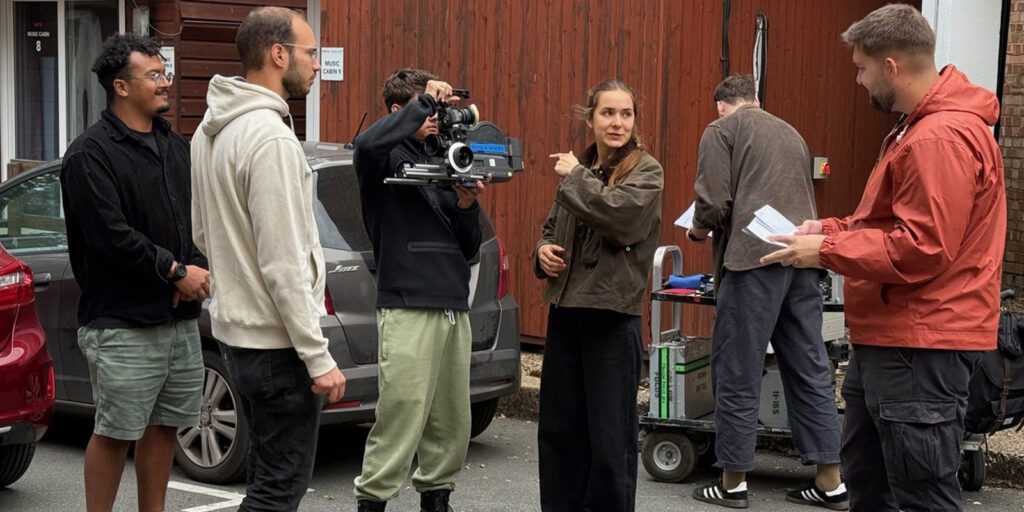
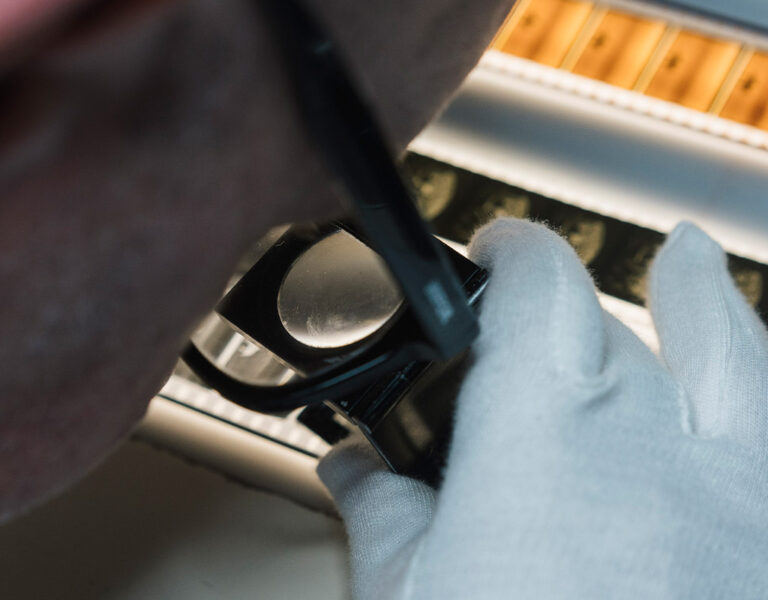
One issue facing cinematographers new to 16mm is finding an experienced crew, a problem Stapleton has tried to solve. “I also run an AC course, which I started about six years ago, trainingassistants in both digital and film. You can’t shoot film without a crew that knows the procedures of film. You can load incorrectly and not know you’ve done that and that can be a problem. Fault-finding is quite a dark art and it’s made a lot more difficult nowadays because there are so few technicians who really understand the full workflow of film.”
“The headline for me is the discipline of it,” Stapleton reflects. “And by discipline, I mean right across the board. Cinematographers, ACs, lighting crew – the whole crew behaves differently when you shoot on film. I’m quite amazed by the love of film in a certain sense. When technology moves on – let’s take the telephone, for instance – there’s no-one running around saying ‘I’d love to have a landline, it’s so cool!” Is it nostalgia? Is it the genuine difference in the look or, just as important, is it the actual process on set which is very different?”
Words: Phil Rhodes