

MOVIE MAGIC IN THE MEDITERRANEAN
Community, craft and the future of cinema were in the spotlight in Palma at the 14th edition of Evolution Mallorca International Film Festival.
Set against a stunning Mediterranean backdrop, Evolution Mallorca International Festival celebrated not only cinema but the people who create it. With a continued emphasis on craft, collaboration and community, the event — held in Palma, Mallorca, on 21-29 October — reaffirmed why festivals remain vital spaces for creativity, conversation and connection in an ever-changing industry.
From a glittering opening night and awards through to screenings, masterclasses and panels, the festival conveyed a consistent message: cinema is a collective art form. This was articulated perfectly in actor-director Steve Buscemi’s Evolution Icon Award acceptance speech. Reflecting on filmmaking’s collaborative nature, Buscemi stressed that nobody creates in isolation and that his career has been shaped by “so many amazing writers, directors, actors, crew and craftspeople” he worked alongside, and that this interdependence makes filmmaking meaningful.
“Every few years you hear, ‘Oh, this is it; this is really where technology changes cinema.’ But what hasn’t changed is the people who want to make films, tell stories, be creative and express themselves,” he said.“And that’s what’s so important about film festivals because I’ve seen some films I’ve done over the years just disappear. You hope to get a good distribution but a lot fall through the cracks and sometimes a festival is the only way an audience can see your film on the big screen.”
That belief in festivals as essential cultural platforms was echoed by EMIFF founder Sandra Lipski. Reflecting on a year of remarkable achievements for the festival team, in her opening speech she highlighted the event’s growing international presence, including invitations to present at the ITB Berlin travel convention and Cannes Film Festival. The global filmmaking community’s response has been strong, with more than 1,200 submissions from over 85 countries from filmmakers eager to showcase their work in Mallorca.
The Cinematography Icon Award winner was Phedon Papamichael ASC GSC GCA, whose extensive catalogue of work (which includes Nebraska, A Complete Unknown and Indiana Jones and the Dial of Destiny) Lipski described as that of “one of the greatest visual poets of our time” whose cinematography “transcends language, culture, generation and genre”. He is, as Lipski noted, “not just a technician, but a master communicator”.
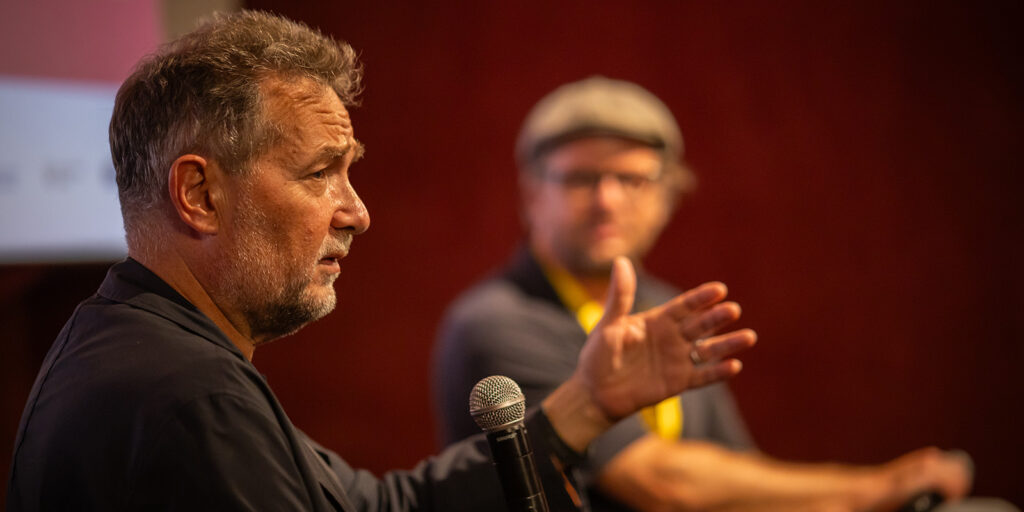
In his acceptance speech, Papamichael reinforced the festival’s emphasis on recognising craftspeople. Referencing his 18-year-old son’s aspiration to become a cinematographer, Papamichael underscored the need to inspire young people to “keep the love for cinema alive” and that creativity will always be essential, even if the tools and processes evolve.
Art and craft
Award winners included Sturla Brandth Grøvlen DFF who scooped Best Cinematography in the International Feature Film category for The Summer Book. Beyond the awards, the festival’s strength lay in its rich programme of panels, sessions, screenings and networking events.
At the heart of this year’s programme was the Cinematography Focus strand, which has become a defining feature of the festival since it was introduced four years ago, with British Cinematographer also comingon board as a media partner and to host panels with a sparkling line-up of cinematographers. At the opening ceremony, Sandra Lipski shared a poignant reflection on the role of DPs, describing cinematography as “the poetry of light and movement.” She reminded audiences that while images often move us deeply, the artist behind the camera is too often overlooked. The director of photography, Lipski said, “gives a film its soul, translating the director’s vision into something tangible”.
Standout sessions included a masterclass delivered by Jamie Ramsay BSC SASC in partnership with festival sponsor Astera. Ramsay spoke candidly about his creative process including the importance of emotional resonance when choosing projects. “It’s really got to resonate with me deeply inside because I feel as a creative if I don’t find something personal that really hits me in a script I can never really channel truth in what I do, the choices I make and the ideas that flow through me,” he said.
Reflecting on his work on Living, Ramsay spoke about how themes of mortality and legacy struck a deeply personal chord, allowing him to channel authenticity into his creative choices.
Elsewhere, British Cinematographer’s panel focusing on cinematographers’ use of colour and black-and-white included insight from Papamichael on his approach including techniques used in monochrome masterpiece Nebraska, Oona Menges BSC on her work on another black-and-white production Lola and comment and mood boards from Pablo Diez AEC relating to his colour choices when lensing Netflix seriesSegrada Familia.
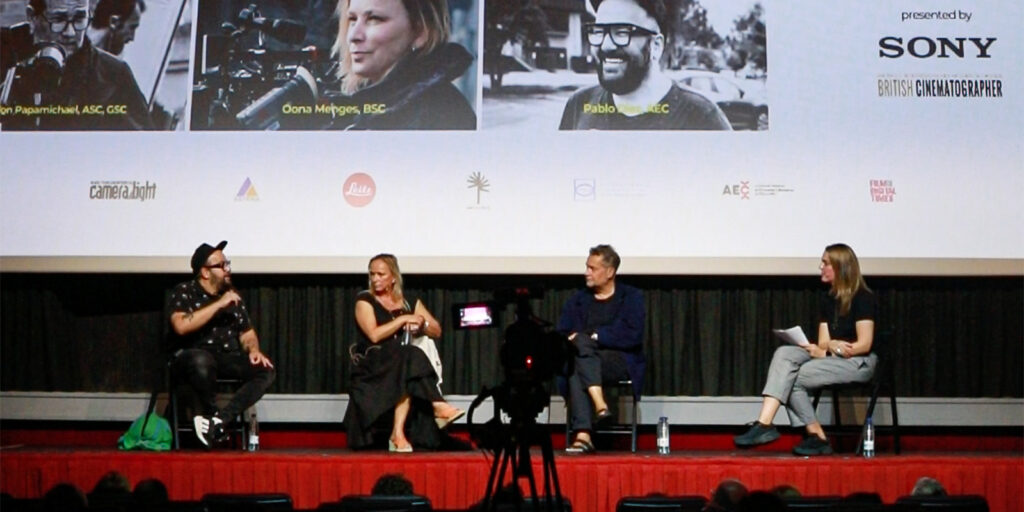
Menges praised the depth and diversity of the festival’s panels, also highlighting Camera and Light magazine’s inclusion-focused session exploring the importance of different gazes in cinema and cultural impact of sharing underrepresented perspectives on the big screen. Clips showcased illustrated stories rarely seen, including an intimate portrayal of friendship between a Spanish and Chinese child navigating cultural transition, and a powerful depiction of a lesbian relationship within the Roman community in Spain. For Menges, these stories exemplified the transformative potential of cinema when new voices are supported.
Reflecting on the broader cultural significance of the Cinematography Focus strand, especially within an industry increasingly driven by content and commercial imperatives, she argued that events like EMIFF are vital reminders of filmmaking as an artform. “The conversations we’ve had at the festival have been so important. Coming to mainland Europe and seeing filmmaking that is so interesting and pushing boundaries is really inspiring and reminds you what you’re in film for,” she said.
A life in film
Audiences were offered insight into the careers of the festival’s awards recipients through in-depth Q&A sessions. Speaking with Rainer Lipski, cinematographer, strategic director of the Cinematography Focus strand (and husband of festival founder, Sandra Lipski), Papamichael reflected on his early career journey that began after moving to Los Angeles in the mid-1980s.
“Back then film schools could hire DPs from outside so I ended up doing all these UCLA graduate films without having to go through UCLA. That’s where I met Alexander Payne [a director he has since collaborated with on multiple productions including Sideways and Nebraska],” he said.
By shooting graduate films and short projects, often unpaid, he was able to build experience and a reel. His formative years, including working on projects associated with Roger Corman — “one of his first real jobs” — shaped his craft and introduced him to future collaborators. “The Roger Corman film school is where many filmmakers started. My entire crew was AFI students such as Janusz Kaminski, Mauro Fiore ASC, Wally Pfister ASC because they wanted to job while they were still at school.”
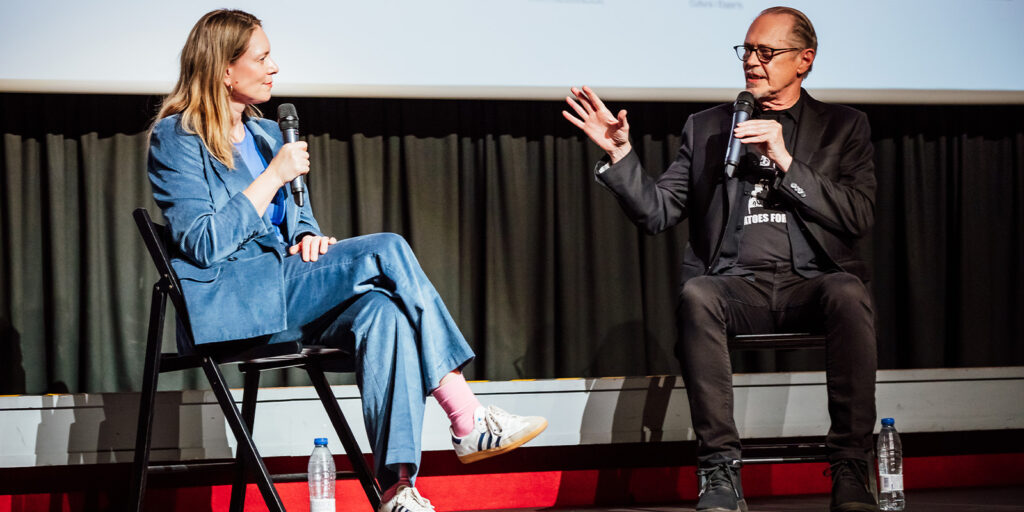
Steve Buscemi’s Q&A with Sandra Lipski provided an equally candid look at a lifetime in film. Growing up watching television sparked his initial interest in acting, but it was his work with experimental theatre directors in the 1980s such as Elizabeth LeCompte and John Jesurun that proved foundational. “John’s work was very fast paced and with a lot of non sequiturs so you really had to be on your toes when memorising lines,” he said. “That was great training for my role in the Coen Brothers’ Miller’s Crossing where I played a character who talked very fast.”
Industry perspectives were further enriched by contributions from agents Bill Dispoto (DDA Talent); Steve Jacob (WPA); Rachael Taylor (Independent Talent Group); Agnès Lupión (AURA Collective); and Blanca Aysa (Plan B) who took part in an agents panel. Jacob spoke about the role of agents as guides and protectors across a filmmaker’s career. While securing work is part of the job, he emphasised the importance of mentorship and “sending the elevator down” to support emerging talent. Identifying singular voices and helping them navigate the industry, he suggested, is essential.
Shared love of cinema
Speaking to British Cinematographer about the festival’s evolution and future direction, Rainer Lipski looked back at the Cinematography Focus strand’s origins, born from a desire to create a platform dedicated to the art and craft of cinematography. Presenting the first Cinematography Icon Award to Ed Lachman ASC marked a turning point, shining a light on cinematographers who often do not receive the recognition they deserve.
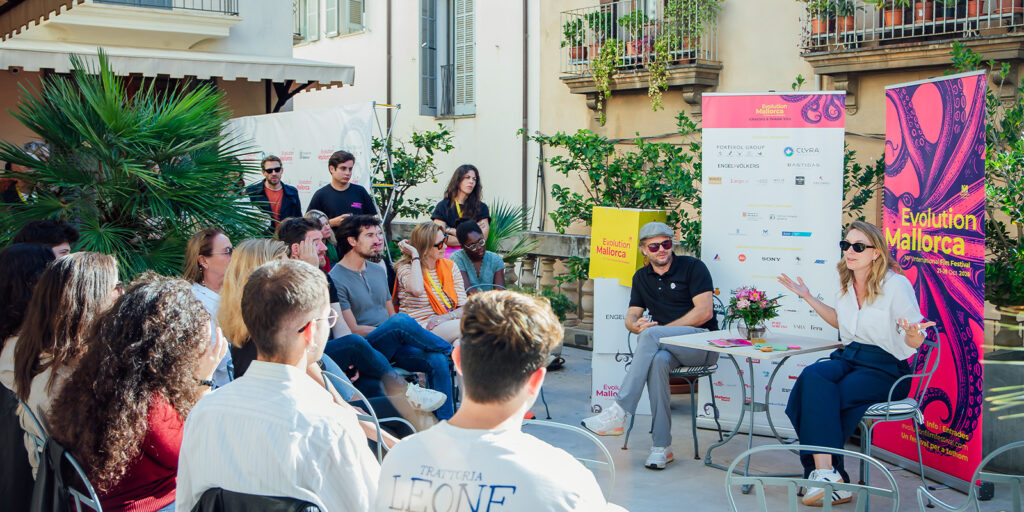
Since then, the strand has grown organically, attracting filmmakers from around the globe who are keen to be part of a festival combining world-class talent with an intimate, welcoming atmosphere. Word spread quickly throughout the cinematography community, strengthening the event’s reputation without losing its non-corporate identity. As the Cinematography Focus continues to evolve a gear lounge was introduced at the latest edition, where event partners such as Sony, Astera and Leitz showcased new tools and technologies.
Despite its growth, the festival remains community-driven and, as Lipski highlighted, continues to create an environment where everyone feels included, encouraging genuine and meaningful interactions andallowing filmmakers, whether students or established industry figures, to connect.
For first-time attendees, Lipski’s advice is simple: “be open, participate fully and talk to everyone. Rather than there being a VIP section, the festival team want to create a community feeling so everyone feels part of something special”. In doing so, they become part of a unique gathering of people united by a shared love of cinema.
Submissions for the 2026 edition of the festival are now open. For more details, visit www.evolutionfilmfestival.com.