
STILL PROCESSING
Past and present collide as social worker Sasha tries to make sense of what happened 20 years ago to her troubled stepbrother Jeremy in Blue Heron.
After a series of short films, Sophy Romvari makes her feature film directorial debut with Blue Heron, which was shot by Maya Bankovic CSC, a Canadian Screen Award winner for Akilla’s Escape. Inspired by her father’s home movies which depicted everyday life rather than focusing on celebratory events, Romvari chronicles a Hungarian immigrant family settling on Vancouver Island in the late 1990s as the eldest child displays increasing social deviant behaviour to the point he is sent into foster care. The incident haunts the youngest sibling who goes on to become a social worker and attempts to figure out whether she would have made the same recommendation to her parents.
“I’ve been lucky to do a few debut writer-director features,” says Bankovic. “When a writer has been sitting with a story for so long, especially a personal story that is largely autobiographical, there can be those little moments where you worry that the thing that ends up onscreen is not the thing that they were living with for years. But in the case of Sophy, she was so willing to reimagine this world to whatever would work best for the story, instead of holding so firmly to a preconceived notion of how things should be executed.”
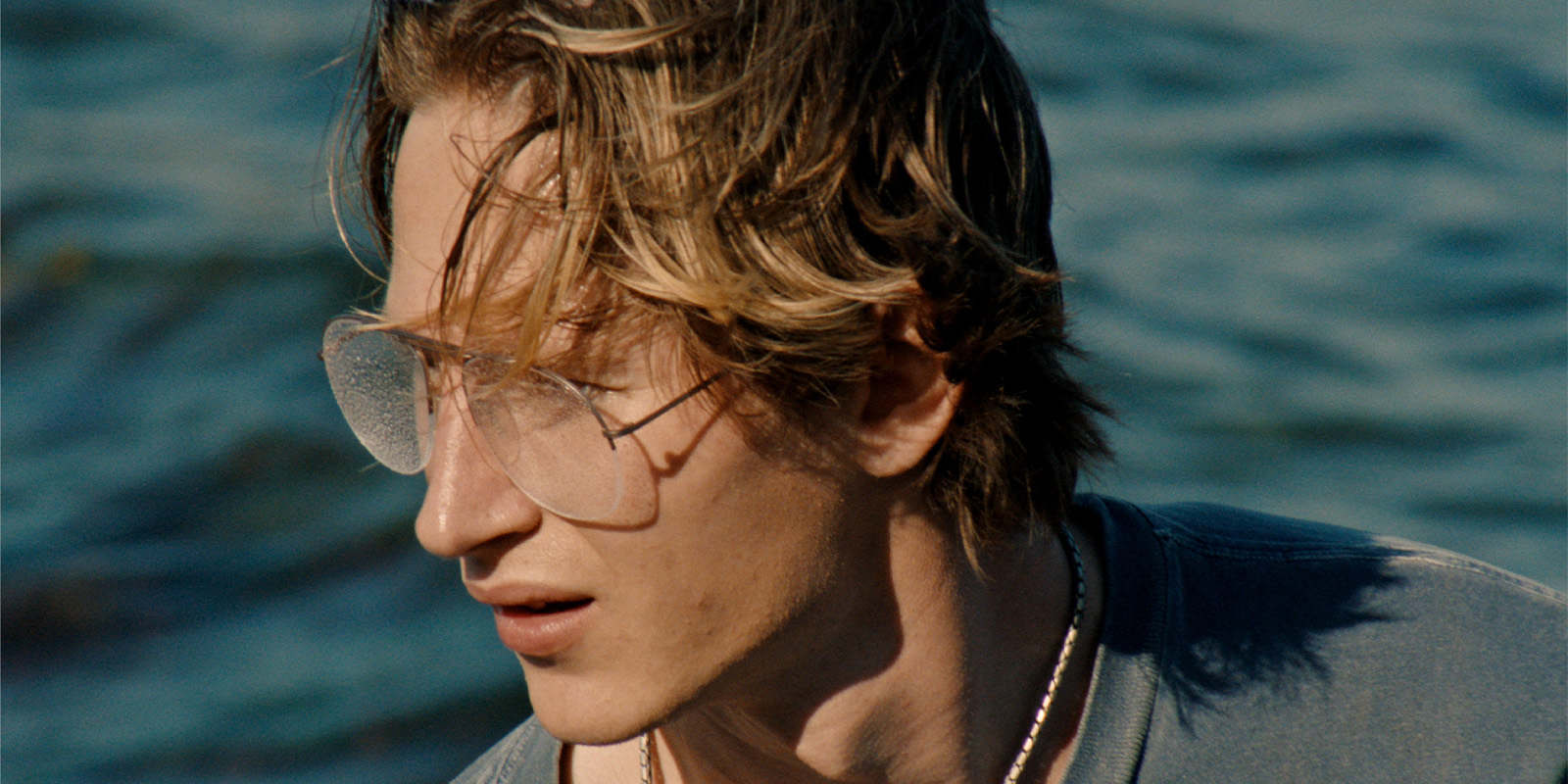
The patriarch of the family is constantly taking photographs. “A lot of our aesthetic is based on Sophy’s father’s family photography, and she hired a photographer named Felix Rapp to do those photos, because he specialises in in dark room black-and-white photography, just as her dad did.”
Feeling over formula
Emotional authenticity drove the visuals. “It’s about how it feels,” notes Bankovic. “Several people have assumed it was shot on 16mm but it’s the combination of the older lenses I was working with, if not lower light levels and ND’ing it down to a lower exposure. Then shooting 3.2K 4444 XQ ProRes because we didn’t have a lot of hard drive space! Another reason for the ProRes was knowing we would be rolling on the children for longer takes, like playing at the beach. You don’t want to be distracting and take the performers out of the situation by moving the camera around too much. You have the ARRI Alexa Mini on these clunky baby sticks and an OConnor head. It’s much easier to be say, ‘Hey, kids rotate.’ And then the scene continues.”
No DIT was present on set. “I didn’t want to mess around with a LUT that was going to bake in something too specific, knowing it would be like a naturalistic film,” remarks Bankovic. “I tend to work in 709, in those types of scenarios, because it gives me an indication of the contrast that I’m after. I know what starts to fall apart in the low end or what begins to clip in the highlights. And then knowing that we’re going to treat the greens differently later.”
The green spill from the dense foliage around the house was problematic. “You would pop a Cineo Reflex R15 on and it gave this naturally soft, beautiful daylight colour that counteracted all of that green.”
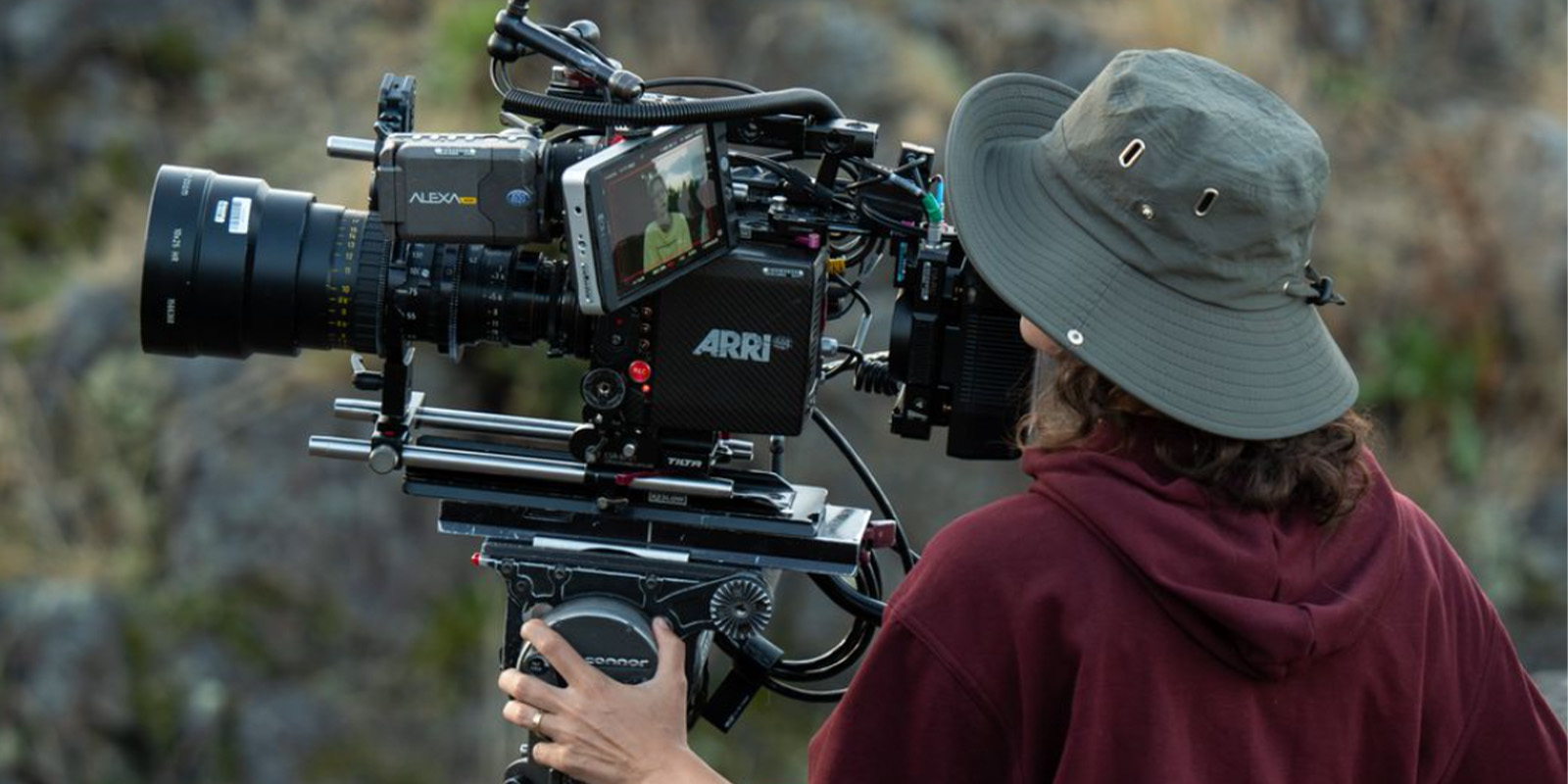
An emulsion was applied in the DI to take edge off the imagery. “It smoothed and rounded out the highlights,” notes Bankovic. “I didn’t use any filters. It was a combination of the Angénieux HR 25-250mm zoom lens that most of the film was shot on and Zeiss Super Speeds which do tend to be sharp, but when they’re closer to wide open have a nicer softness. And then a little bit of that emulsion. We had an incredible colourist called Máté Ternyik and he’s so intuitive with colour. Máté gave it a larger-than-life saturation level to take it out of that pure naturalism, almost documentary aesthetic.”
Whereas the childhood section has a warm palette, the present day has cooler tones. “Adult Sasha is in a laptop glow which is a contemporary blue for all of us these days; that didn’t exist in the 1990s. When Sasha was editing at her desk, or even the scene when she’s talking to social workers, it’s lit by fluorescence in a bit of daylight.”
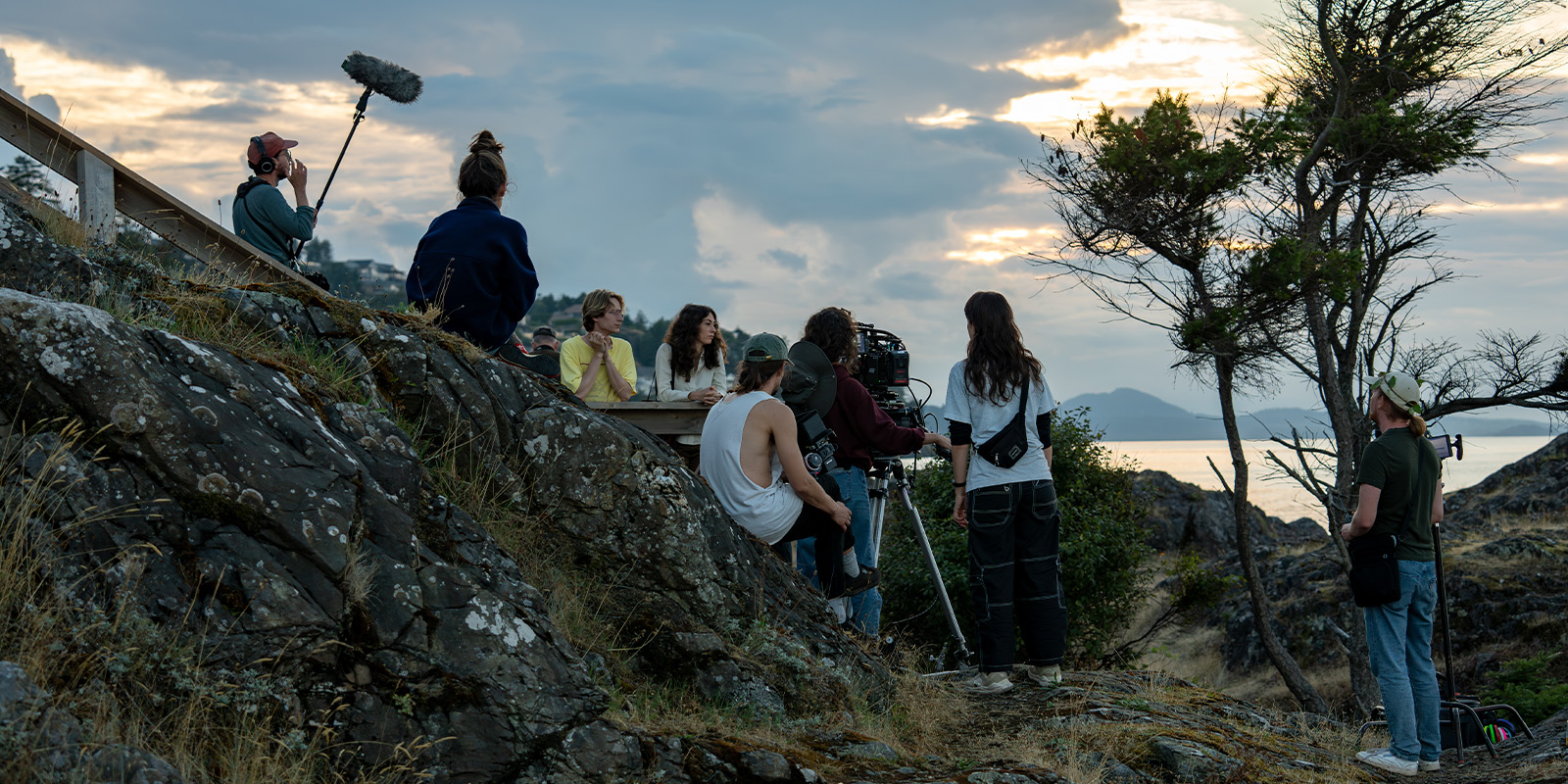
Storyboards were not used. “We knew the camera’s perspective for every scene,” states Bankovic. “We would mostly live in these roving, slow, zooming master shots. We had taken that concept from A Woman Under the Influence that tracks this protagonist, and the camera feels very dynamic, but it doesn’t move through space. We shot minimal coverage, remembering how we did the previous scene. The film was stitching itself together in our minds.”
The shooting process could be quite stressful. “Our focus puller was sweating! You would end up on a 250mm or often, we’re using an extender, and it’s a 500mm. We didn’t know what these kids would do. We were all so tapped in. We would do on average, maybe eight solid shots.”