
RISING FROM THE RUINS
Serbian DP Bojana Andrić SAS brings atmospheric intimacy to Follow Me using Cooke anamorphics, a Technocrane, and delicate lighting in a gracefully aging Belgrade villa.
I had already shot multiple feature films in Serbia and worked on over 400 episodes of various TV shows when I was offered my first international production, Follow Me (available on Amazon Prime), starring Connie Nielsen (Gladiator 2).
I was excited and honoured to be part of the film, though I genuinely love working here in my region. We have incredibly skilled professionals, excellent equipment, and crews who are among the most resourceful people I’ve ever met. The film was shot entirely in Belgrade.
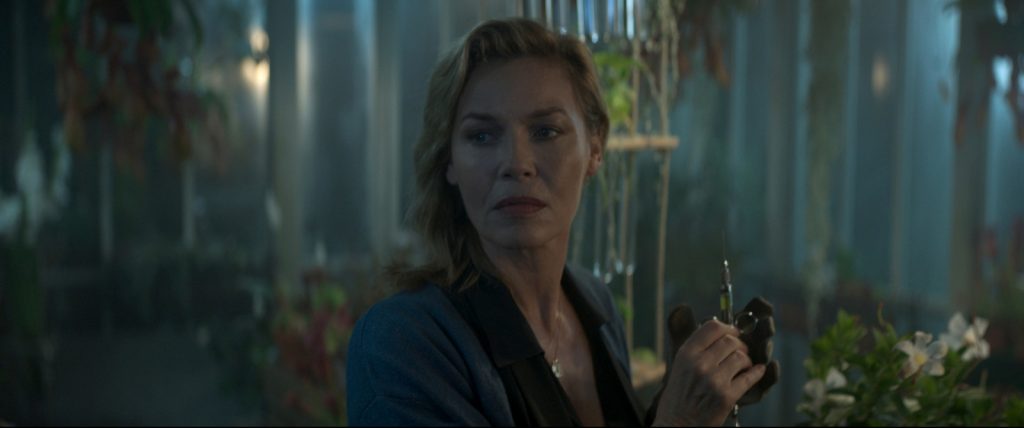
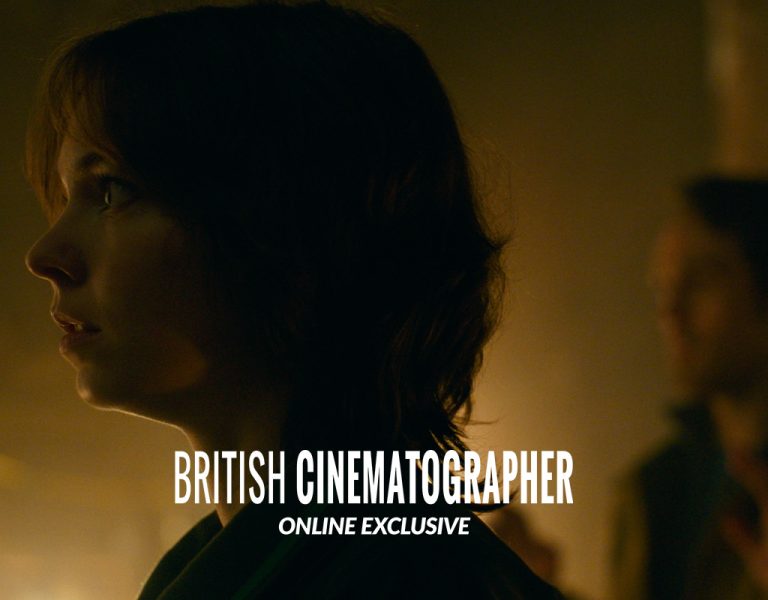
This film pushes boundaries and blurs the lines between relationships, exposing how money, secrets, and deception can become lethal. To capture the unconscious vibe of this film, I wanted to shoot in full frame with a shallow depth of field. I used the ARRI Alexa Mini LF and tested four or five sets of lenses.
I experimented with spherical lenses, vintage glass, and rehoused optics, but once we mounted the Cooke anamorphics, the picture revealed itself. There was an immediate sense of intimacy within the emphasised space, paired with a subtle unease—like something beautiful that might collapse if you stared too long. It felt right.
We shot mostly in 2.39:1 to fully embrace the anamorphic field, and director Siri Rødnes (Nine Lives, None of the Above, Take Your Partners) was attuned to that. We clicked early in prep. They have a strong visual sensibility and an instinct for rhythm and tone that immediately challenged me to find ways to develop the visual identity of this story.
A CHARACTER PROPERTY
We wanted the house to feel like a character in its own right. I recommended a location I already knew would be perfect—the only problem was, it was an abandoned villa in Vračar, in the centre of Belgrade, uninhabited for decades—no power, cracked windows, collapsed ceilings. We considered restoring it, and our production designer, Damjan Paranosić, did a great job reviving the house for the set. Nevertheless, we kept some rich textures and old restored wood doors, as Siri and I loved a bit of the decay—it echoed the protagonist’s psychological state and made the house look a bit threatening, contrasting with its main inhabitant: an enigmatic woman living alone there.
We actually used three properties to create a fictional house. The main location was this impressive old villa for interiors and we built a very important greenhouse set in its garden. A second villa provided a more intact exterior for arrival shots. The third, across the city, featured the swimming pool and additional exteriors. Combined in the edit, they became one eerie, isolated home—despite being scattered across Belgrade.
NEW HEIGHTS
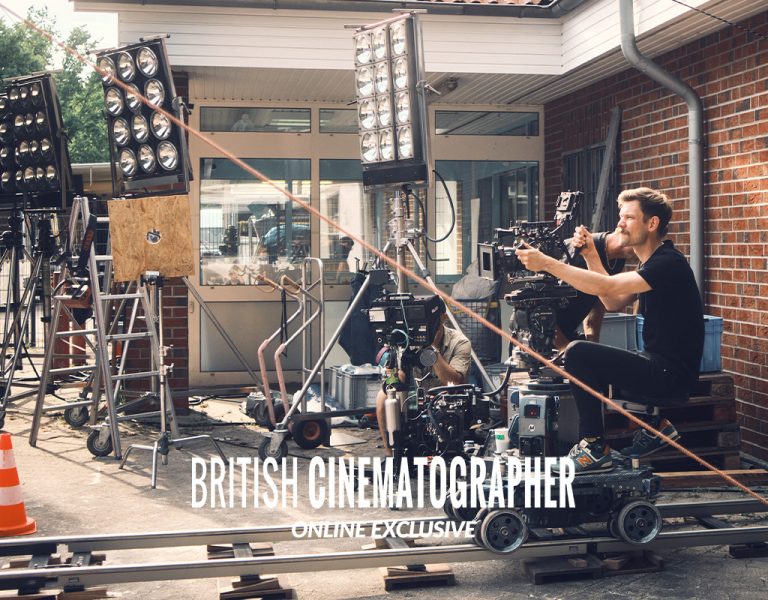
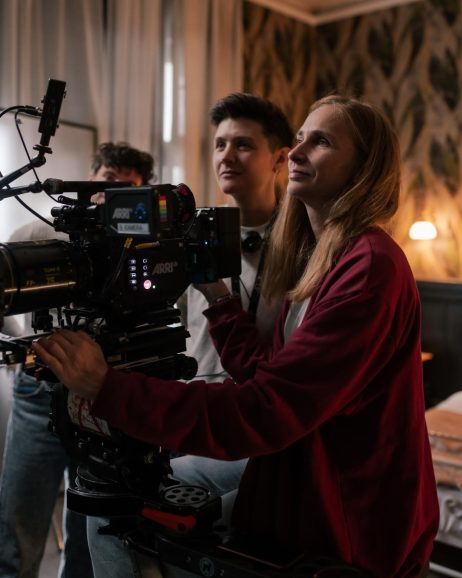
Testing and operating the crane inside the house was one of the toughest challenges. We managed to fit the Steel Boy 20 through the living room doors—just enough to navigate around the balcony and stairs. Static setups weren’t an option. The movement had to feel alive, as if the house itself were observing. The crane let us float through the space, follow characters around staircases, and reach angles otherwise impossible without major rigging.
The staircases and landings would have made handheld too erratic. The Technocrane gave us a sense of presence, curiosity, and emotional movement. For scenes where the crane wasn’t practical, we used Steadicam and dolly.
Because we were shooting full-frame anamorphic, focusing was incredibly tricky. We were often wide open—around 2.8/4 split—to maintain a shallow depth of field. I didn’t want everything sharp. Alice is subtly offering people potent teas and I wanted the visuals to feel slightly woozy and off-kilter.
ATMOSPHERIC LIGHTING
Lighting was another major challenge. Since we were shooting in a villa in central Belgrade, ambient noise was relentless—construction, traffic, city life. We flipped the schedule and shot interiors night-for-day. It turned the house into a kind of soundstage.
My gaffer, Viktor Minić, and I designed an ambitious lighting plan using scaffolds, cherry pickers, and bounce sources to simulate daylight while preserving a delicate atmosphere. We tested fabrics, lighting positions, and colour temperatures before the shoot.
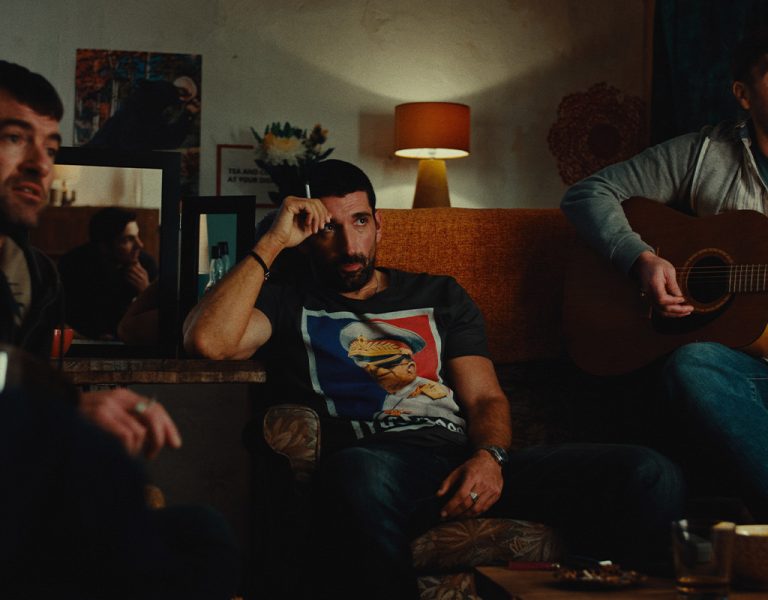
Connie Nielsen was incredibly collaborative and supportive from the start. She was open to sharing her knowledge even on lighting and colour temperature, and she was right about some of the choices she proposed. After a full day of testing with her, we decided to turn to warmer tones, using practicals to create a golden softness. Originally, we imagined a colder, desaturated look inspired by Tony Scott’s classic The Hunger (1983), but this shift brought a richer, more unsettling warmth that felt more intimate.
Because we often shot 360°, every light had to feel like it belonged in that world. Practical fixtures were key—not just for aesthetics but to support the story’s psychological atmosphere. We used a lot of ARRI SkyPanels, Orbiters, Asteras, some HMI and the AirStar 1000W bicolour LED balloon for the moonlight, often rigged on the crane.
PRIOR PLANNING
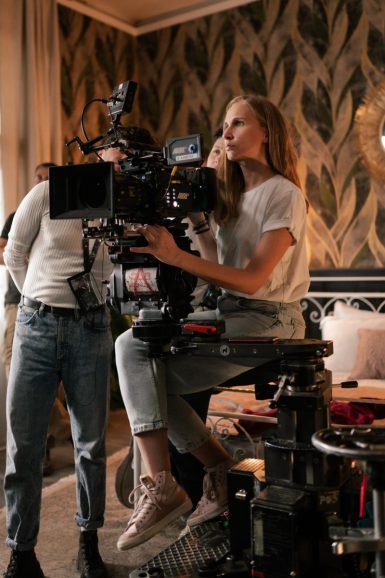
I’m a huge fan of pre-production and Siri is too, so we had everything planned and tested for what was a four-to-five-week shoot. We built a very specific shot list, and what’s interesting is that I’d never met Siri before—but we were incredibly aligned. We did deep research together, drawing from ShotDeck, art history, and other visual references. We knew exactly what our intentions were going into this production, and we had great autonomy and understanding from our producer, Devin DiGonno, and execs from Catalyst Studios.
We literally created a wall of references in the production office, and it worked well for everyone by clearly showing our intentions.
But once we were on set, new inspirations would sometimes emerge—and we allowed ourselves to follow them. It was important to have everything prepared in advance, but equally important to stay open. We were searching for something fluid, observant, and alive—something that breathed with the characters.