

RAINDANCE BRINGS RELIEF TO LONDON’S HEATWAVE
The 34th Raindance Film Festival arrived in London during a June heatwave, making its home at the 194 Neon venue and nearby Vue Cinema a welcome escape from the sweltering streets of Piccadilly.
As ever, Raindance demonstrated why it remains one of the UK’s leading showcases for independent cinema. The programme blended ambitious features, inventive documentaries and daring shorts from around the world, giving emerging filmmakers a platform alongside established voices. True to the festival’s ethos, originality and risk-taking took precedence over commercial formula, resulting in a line-up that consistently surprised and challenged audiences.
The festival’s intimate atmosphere remains one of its greatest strengths. Filmmakers were readily available for post-screening Q&As, offering audiences genuine insight into the creative process. Rather than feeling like an industry-only event, Raindance continued to be an accessible celebration of cinema, where film lovers could engage directly with the people behind the work.
Going global
This year’s edition reflected the increasingly international nature of independent filmmaking. Stories crossed geographical, cultural and stylistic boundaries while sharing a commitment to personal storytelling and creative freedom. Whether exploring social issues, genre cinema or intimate character studies, the selections displayed an impressive breadth of vision.
Raindance’s opening night was a glamorous affair as filmmakers and film lovers gathered at Vue West End in Leicester Square to watch the opening productions and hear from some of the teams behind them. A festival exclusive of Gorillaz’ new animated short film The Mountain, The Moon Cave & The Sad God kicked off the evening in style, with directors Jamie Hewlett, Max Taylor and Tim McCourt in attendance.

“It was made by 90 artists worldwide with no AI,” Taylor shared with the audience ahead of the screening. “It was a real labour of love and it was our love letter to the craft of animation.”
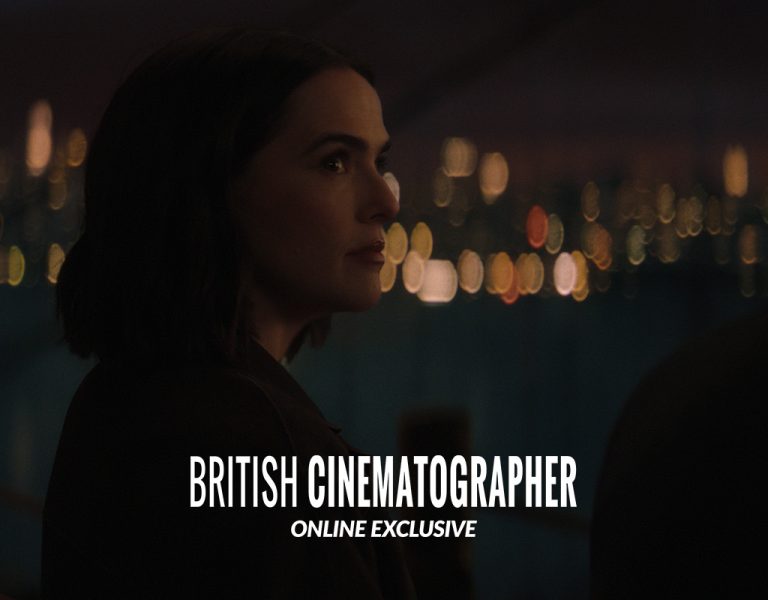
The eight-minute stunning animated adventure was followed by the UK premiere of sci-fi thriller April X, directed by Michel K. Parandi and lensed by Nathan Haugaard. Before presenting the feature, Parandi shared some insight into the process of bringing the film to the screen: “April X is a true independent movie. It was hard because it was very ambitious because we didn’t have enough budget and it was suggested that we cut pages and scenes but we didn’t want to compromise.”
Following the screenings the crowd headed over to the opening gala party at the Wardorf Hotel where those working behind and in front of the camera and a vast number of industry associations and media outlets including our friends at We Are Parable and Girls on Film gathered. In addition to catching up with film friends and making new connections, the party celebrated the winners of the festival’s Raindance Icon Awards: Emmy, Olivier and Golden Globe-winning actor Brian Cox and actress, writer and comedian Miriam Margolyes. A posthumous Raindance Icon Award was also presented to rock & roll icon Eddie Cochran – the influential subject of Closing Gala film Eddie Cochran: Don’t Forget Me (Dir. Kirsty Bell). Presented to Eddie’s sister and niece, the Icon Award is set to be displayed alongside his original Gretsch guitar and his other trophies at the Rock & Roll Hall of Fame in Cleveland, Ohio.
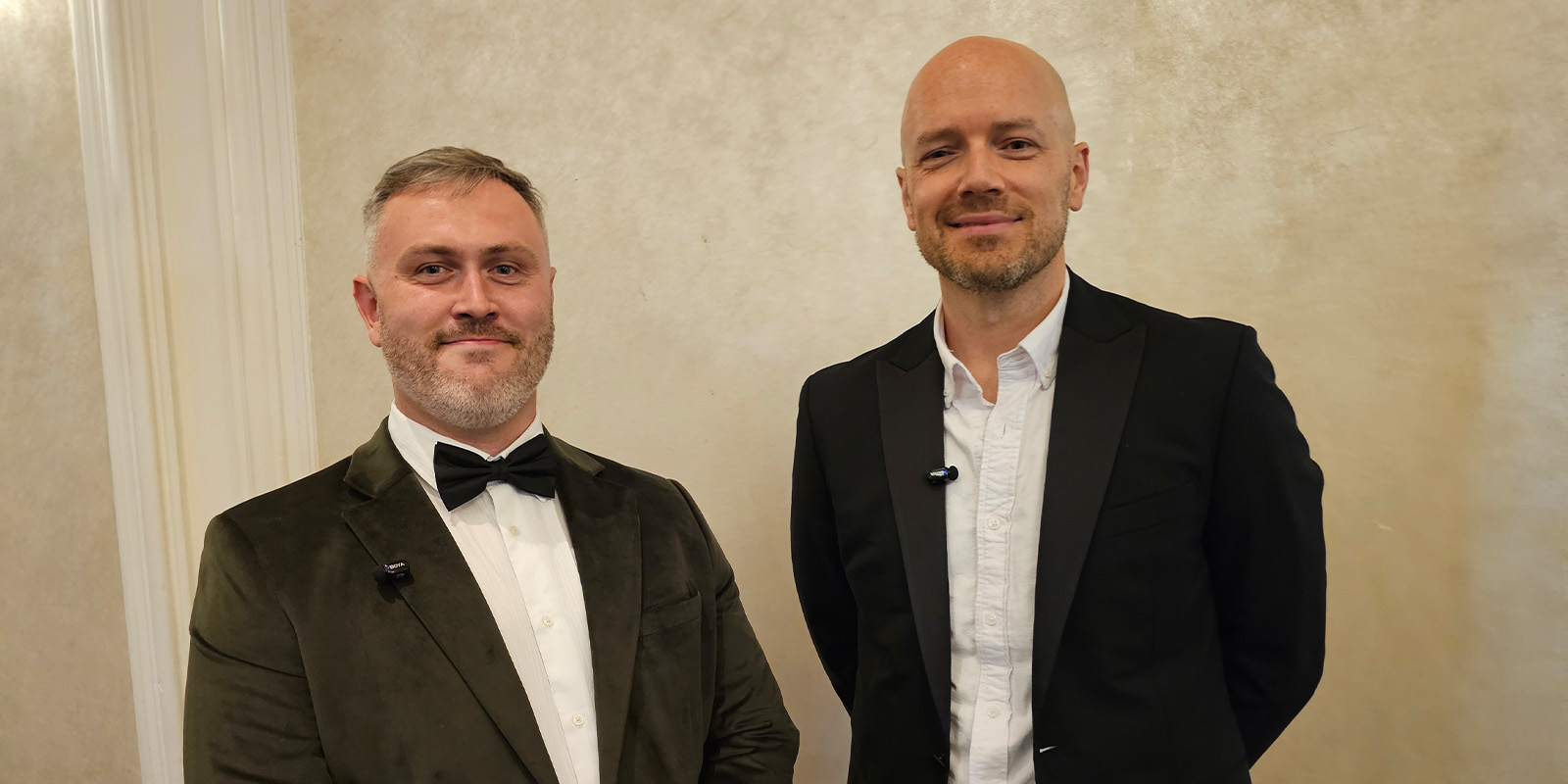
Ahead of the awards section of the evening, we caught up with Raindance founder Elliot Grove to hear about the festival’s past and future along with how independent cinema is driving forward the industry. “When looking at how Raindance has evolved, I think back to 32 or 33 years ago when we were so broke that screen 2 was a bedsheet pinned to the wall in the basement of The Arts Theatre Club on Wardour Street but we’ve kept on going,” he said. “Every year is different and every year has a different flavour. This year of course we’re grappling with the realities of AI and also the collapse of the middle budget.
“Raindance is very different to other events because we don’t receive any public funding. We’re also all about discovering the new. A Raindance film is a film made with blood, sweat and beers and when we think it’s good enough and we show it that often launches the filmmaker’s career and gets the film in front of more eyeballs.”
In terms of Grove’s hopes for the future of the festival and for independent film, he singled out “filmmakers and film lovers” as being important for the festival. “We need them both because that creates a community that hopefully will revitalise the film industry. Independent cinema is the voice of the future. The films that we’re playing over the coming days at Raindance are using the most innovative techniques and interesting storytelling and equipment.”
We also spoke with the team from Canon who were gearing up for the following day’s cinematography-focused sessions. “We love Raindance because it celebrates the spirit of independent cinema. Independent cinema is all about creating things your way, doing things differently. And this is a place where we feel naturally at home,” Canon’s head of content Ben Morse, told us, also highlighting why the festival is such an important event for cinematographers specifically.
“Cinematography is about finding your voice and helping other people bring their voices to life. Raindance is such a great event for that as you have filmmakers who are still finding those relationships. They’re experimenting with form and language and they often need that partner to bring that out and unlock it from them, so the festival is a playground for cinematographers.”
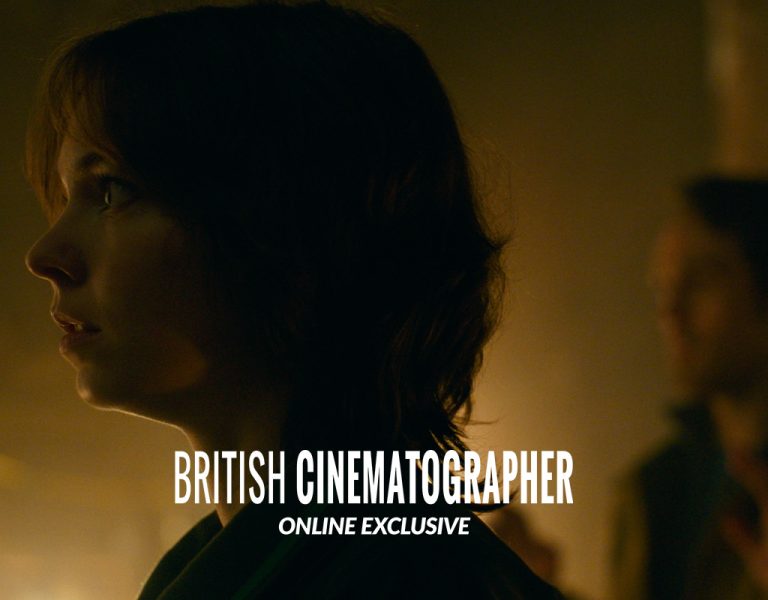
We were also lucky to watch The Devil Whispered My Name (2025), the Argentinian folk horror film Un susurro invocó mi nombre. The film follows a ballet dancer, Carla, who returns to her remote mountain hometown in Córdoba a decade after her best friend died during an ayahuasca ritual, only to discover that the same malevolent ancient forces she believed she had escaped are still hunting her.
Other screenings included the powerful and disturbing Section 1591: Sex Trafficking of Children in the U.S.A. Grounded in survivor testimonies rather than staged reconstructions or contrived drama, Section 1591 offers a raw and profoundly human account of courage, trauma and the search for redemption.
Mastering cinematography
During one Masterclass Haris Zambarloukos BSC GSC charted his path from fine art to filmmaking, describing how early exposure to photography and experimental cinema shaped his visual instincts: “I got hooked… on things that were not the things I watched.” His talk traced a career driven by curiosity, mentorship and instinct rather than rigid rules, particularly his formative relationship with the late Conrad Hall ASC, which he describes less as formal instruction and more as “a friendship.” He also reflected on his long-standing collaboration with Kenneth Branagh across nine films, highlighting creative trust and shared artistic challenge developed through sustained partnership over time.
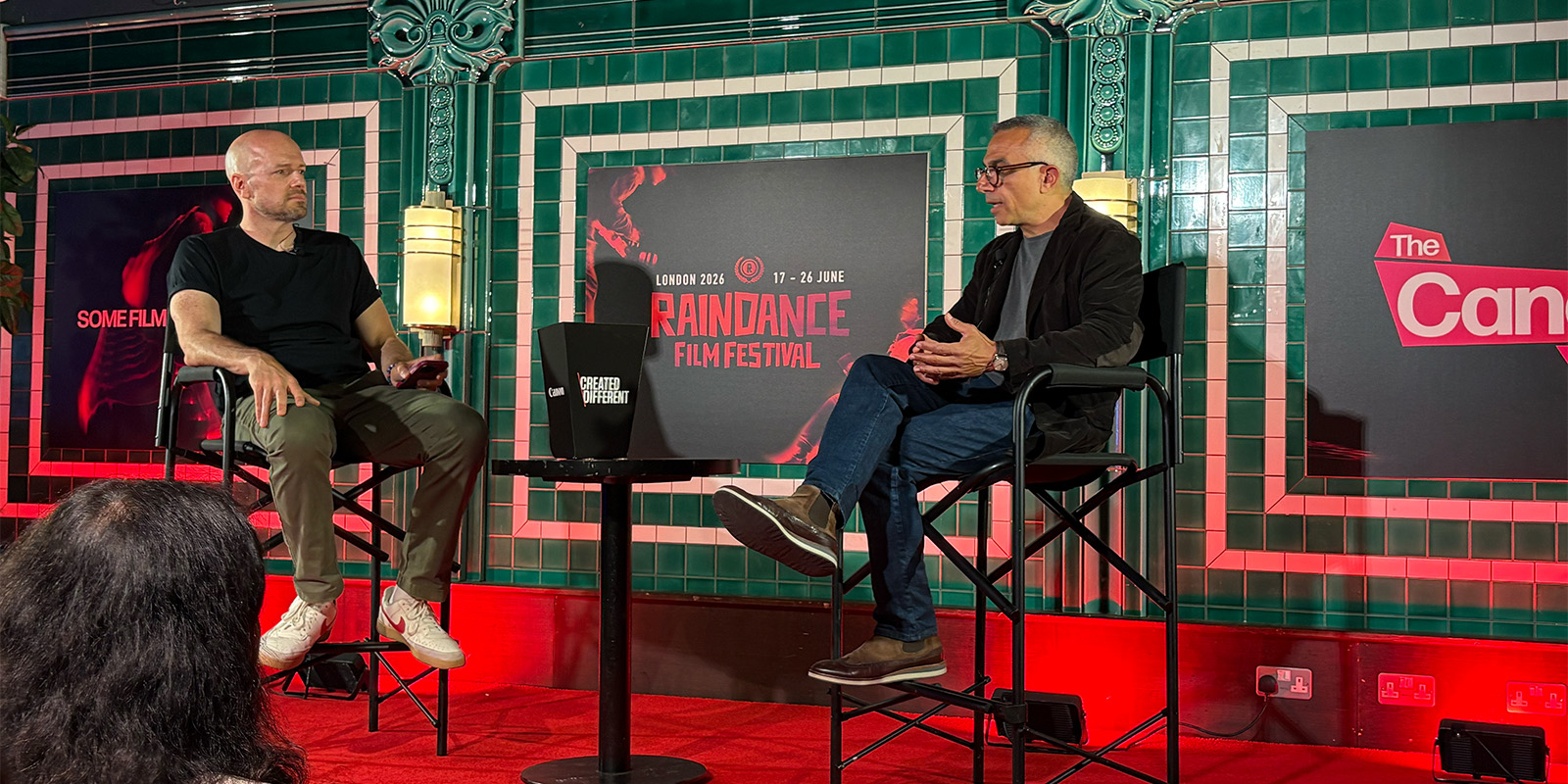
In a separate session, Birds of War: Mastering Cinematography in the Heart of Conflict, filmmakers Janay Boulos and Abd Alkader Habak discussed their documentary Birds of War (2026). The conversation explored their experiences as a Syrian journalist and filmmaker documenting the Arab Spring and subsequent conflicts, including the realities of reporting without formal training, long working hours and the risks of filming in active war zones. They also described their evolution from using mobile phones to professional cameras and the emotional and logistical challenges of their work. The discussion culminated in their collaboration on the feature documentary, which charts their personal and professional journeys against the backdrop of Syria and Lebanon’s recent history.
During a panel session called AI and Gender Inclusion with Women in Film and TV, a panel made up of Katie Bailiff, CEO at Women in Film & Television UK, Brazilian photographer and filmmaker Viviane D’Avilla, writer, director and performer Katharina Gellein Viken and filmmaker Georgina Cammalleri discussed AI and its implications for the industry. The conversation covered the slow progress in AI legislation due to financial interests and the need for self-imposed rules. They also raised concerns about data being used to train AI systems, questioning the effectiveness of opt-out functions and the reluctance of companies to share intellectual property.
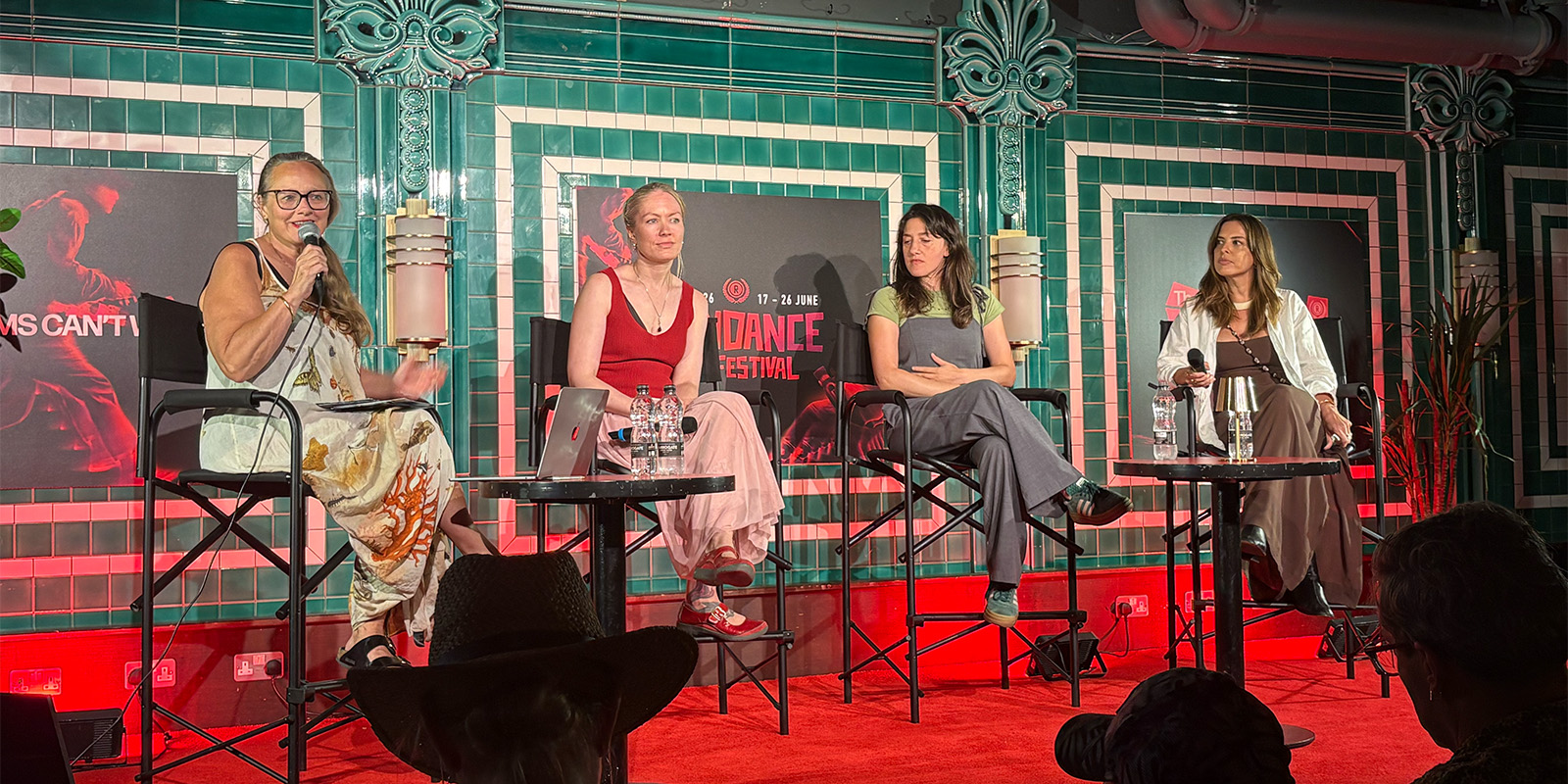
The session concluded with Women in Film and TV drinks in the bar afterwards.
Winners’ corner
The festival also announced its Jury Award winners, with Belgian drama Silent Rebellion emerging as one of the biggest successes of this year’s festival, taking home both Best International Feature and Best Performance in a Debut Feature for lead actor Lila Gueneau. The awards, presented at the Canon Lounge in OneNinety Four Piccadilly on Friday 26 June, celebrated standout films from across the festival’s feature, short film, immersive and screenplay programmes.
Among the feature winners, Katie Camosy’s Gaslit was named Best Documentary Feature. Executive produced by Jane Fonda, the documentary follows the actress and activist as she travels through communities affected by oil and gas production across Texas and Louisiana. Germany’s Thanks for Nothing received the Discovery Award for Best Debut Feature, while Greenland’s Walls – Akinni Inuk earned Best Debut Director for filmmakers Nina Paninnguaq Skydsbjerg and Sofie Rørdam.
One of the festival’s newest honours, the Roger Corman Award for Best Horror Feature, went to Rob Alicea’s Serena, a psychological thriller in which a struggling former rock star becomes the beta tester for an unsettling new AI chatbot.
British filmmaking was also recognised across multiple categories. Daryl Chase’s contemporary production of Macbeth won Best UK Feature, while Kirsty Bell was named Best Director of a UK Feature for the documentary Eddie Cochran – Don’t Forget Me. Izabella Malewska picked up Best Performance in a UK Feature for Tramp and cinematographer Dan Poole won Best UK Cinematography for Section 1591: Sex Trafficking of Children in the USA.
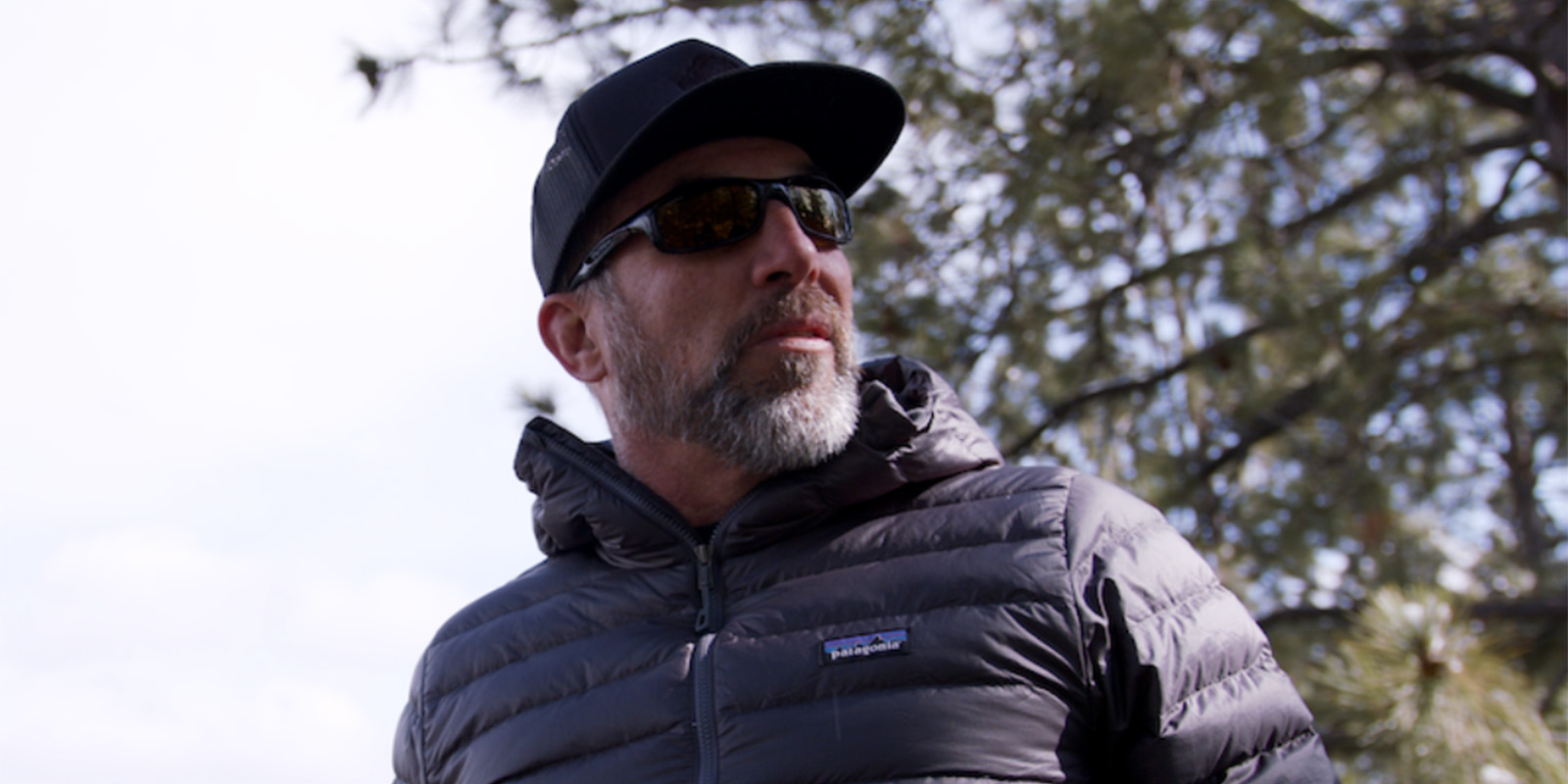
The Philip Gambrill Spirit of Raindance Award was presented to So What, Blake Inniss’s documentary following pioneering videographer John Bentham as he reflects on his role in Britain’s punk movement after suffering a life-changing stroke.
Raindance also celebrated short filmmaking with four major awards. Pankaja won Best Live Action Short, The Oath took Best Documentary Short, God Is Shy was named Best Animation Short and Wonderwall won Best UK Short. As an Oscar-qualifying festival, winners of the Live Action, Documentary and Animation Short categories are automatically eligible for Academy Award consideration, while Raindance also remains both BAFTA- and BIFA-qualifying for British short films.
Beyond the film awards, Raindance announced the winners of its expanding Script Competition, which received a record number of submissions this year. The winners were Gravediggers by Cressida Peever (TV Comedy), Orangemen’s Dayby Molly Jennings (TV Drama), Empty House by Sheida Sheikhha (Short Script) and Rave by Stefan Kaday (Feature Script).
The festival also recognised innovation in immersive storytelling. Although Raindance Immersive adopted a non-competitive format this year to encourage collaboration, it presented its Spirit of Raindance Award to A Wonderful Thing to Realize, an autobiographical VR music experience created by Screaming Color that explores identity, memory and the LGBTQIA+ experience.
Looking towards the future of filmmaking, Raindance also unveiled Lost Canon, a new AI-native short film initiative created in partnership with CapCut and Moonmax. The programme brought together ten filmmakers to create original stories exploring forgotten histories, myths and alternate realities using AI-assisted production tools. The inaugural showcase included projects such as Mothmen, Black-Op 1977, E14 and Theodore and Wilson, all of which premiered during the festival.
This year’s winners were selected by an extensive international jury spanning film, television and the wider creative industries, including actors Adriana Paz, Denise Gough, Jacob Anderson, Jonathan Rhys Meyers, Rose Ayling-Ellis and Sope Dirisu, alongside producers, directors, cinematographers, critics and development executives from across the industry.