


Pooja Gupte ISC IWCC explains why she launched Flare Cinematography Film Festival in Mumbai and highlights the important role she believes it can play in the industry’s future.
I studied cinematography at the Satyajit Ray Film and Television Institute in India, and for the past 20 years I have been practicing cinematography. From my film school days, I realised that very few women chose cinematography as a career. Even today, while there are many practicing women cinematographers, the larger reality remains unchanged—young women still do not immediately see this as an accessible or encouraged profession.
This gap in perception needed to change. The narrative had to evolve, especially at a time when more women are actively working in the field. Flare Cinematography Film Festival was born out of a simple but urgent realisation that there were not enough spaces that recognised and celebrated the work of women behind the camera.
Cinematography is often discussed through the lens of technology or authorship, but the voices shaping those images are not always equally visible. I wanted to create a platform that centres the cinematographer as a storyteller, and more importantly, builds a community where women cinematographers can be seen, heard, and supported. For the filmmaking community in India, FlareCFF is important because it shifts the conversation from representation to recognition and access-opening pathways for emerging talent and encouraging dialogue around craft, process and perspective.
A strong start
The first edition of Flare Cinematography Film Festival in 2026 marked a strong beginning and was held over two days in Mumbai India. The idea was to bring together the cinematography community under one roof and highlight films shot by women cinematographers from India and across the world. The festival was supported by Sony India, Aputure, Tiyana Incorporation, and Bridge PostWorks, all of whom believed in the vision of the platform.
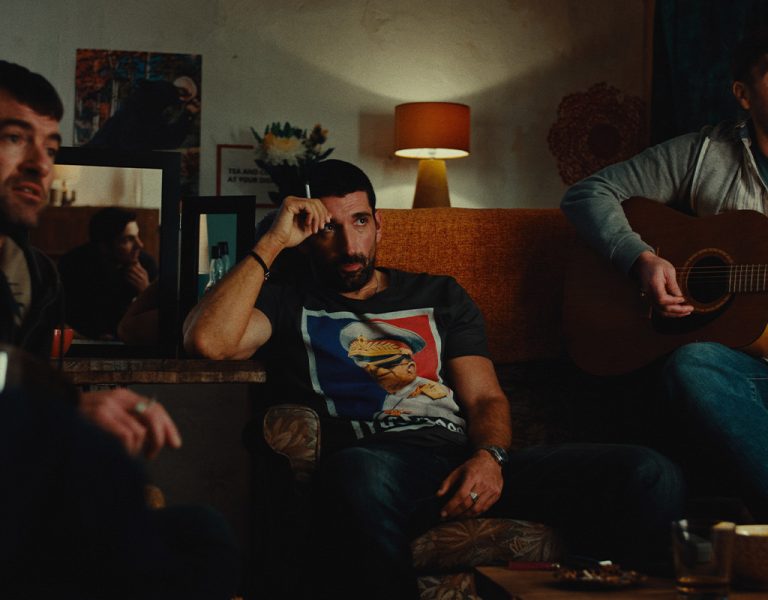
Day one began with the opening film Aasmaani Jhoola, screened as a tribute to the late DP Saurabh Suman, who also received the Best Cinematography Critics’ Choice Award 2026 for the same film. Cinematographer Kiran Deohans ISC paid a heartfelt tribute to his craft and dedication to the medium, having worked with him closely. The film team also spoke fondly about him, making the opening both emotional and meaningful. Following this, the festival showcased 26 short films from India, UK, US, Germany, France, Belgium, and the Czech Republic, all shot by women cinematographers. Ten of these cinematographers were present at the festival for interactive Q&A sessions. What stood out was the quality of conversations—honest, generous, and deeply rooted in practice. It was not just about showcasing work, but about sharing knowledge and building connections across different levels of the industry.
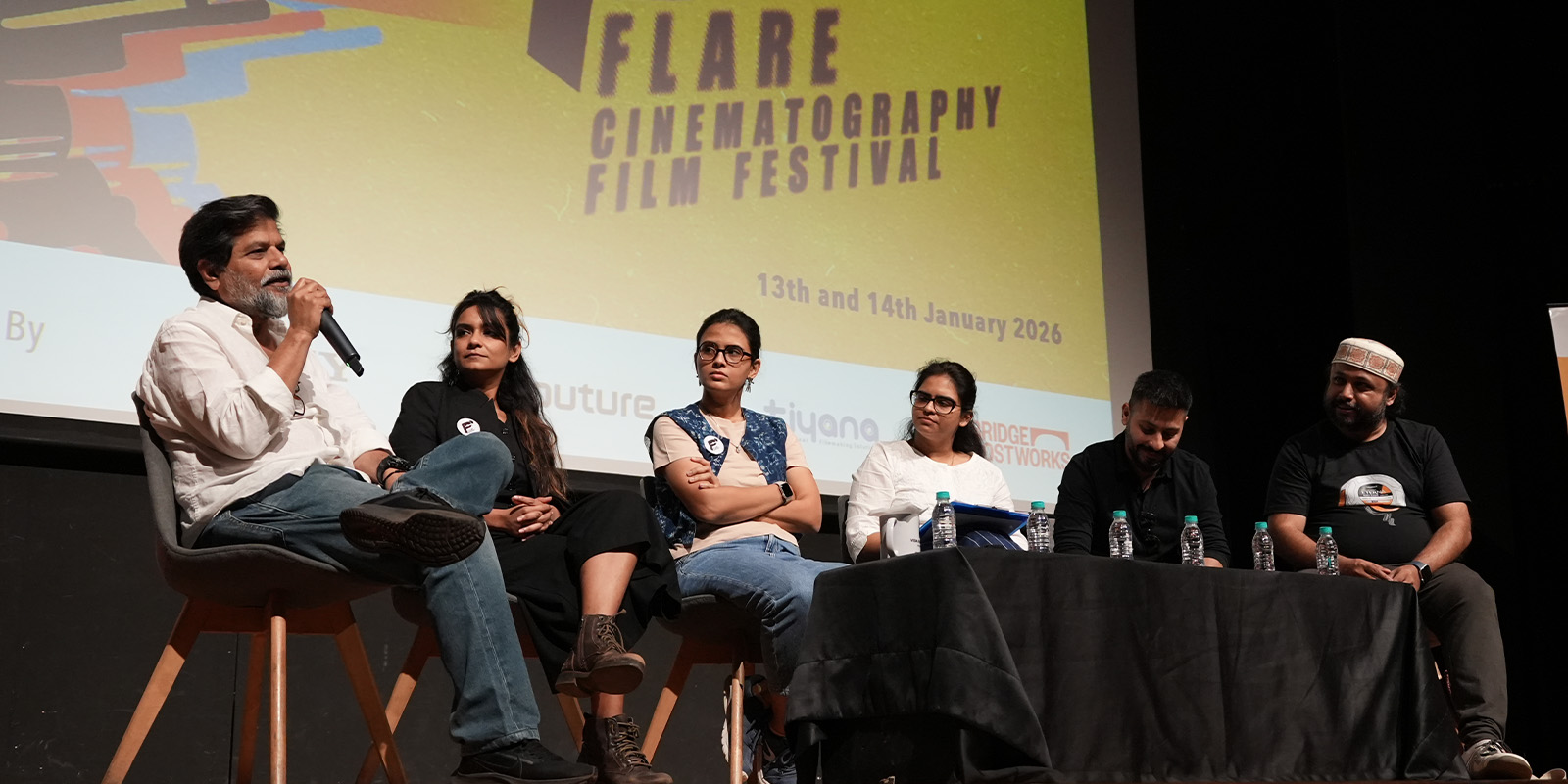
Day two featured three panel discussions with notable cinematographers including Kiran Deohans ISC; Anil Mehta ISC; Neha Parti Matiyani ISC IWCC; Nusrat F. Jafri; Mitesh Mirchandani ISC; Vikram Amladi; Shelly Sharma; Archana Ghangrekar; Swapnil Sonawane ISC; and Archana Boharde ISC IWCC. Directors Sriram Raghavan, Nupur Asthana, Subhadra Mahajan, and producer Aparna Purohit along with colourist/producer Sidharth Meer were also part of these panels, sharing their insights on storytelling, collaboration and the evolving role of cinematography.
Event evolution
Since its inception, FlareCFF has evolved from an idea into a living, growing ecosystem. What began as a focused initiative to highlight women cinematographers has expanded into curated screenings, masterclasses, workshops and conversations with leading practitioners.
FlareCFF has received tremendous support from the Indian Society of Cinematographers and the Indian Women Cinematographers Collective. With the encouragement of stalwarts like Kiran Deohans ISC; Anil Mehta ISC; Priya Seth ISC IWCC; Siddharth Diwan ISC; Fowzia Fathima ISC IWCC; Deepti Gupta ISC IWCC; Natasha Braier ASC; Neha Parti Matiyani ISC IWCC; and Joel Fonseca, the festival has been able to conduct year-round masterclasses and panel discussions.
Industry partners and vendors including Light N Light, Cineom Broadcast, FutureWorks Media, Agito Broadcast Pvt. Ltd, Zoo Grips, Underwater Film Services, Prime Focus India, 9 Wing Studio, Bridge PostWorks and MG Lights N Cam have also supported the initiative. Equipment manufacturers such as Zeiss India, Sony India, ARRI India and Angénieux have contributed by enabling access to resources and technology.
Flare’s future
Going forward, I see FlareCFF focusing on showcasing and encouraging emerging DPs while building stronger partnerships with production houses, studios and platforms. The aim is to ensure that conversations at FlareCFF translate into real opportunities for cinematographers.
Another important direction is the creation of structured mentorship programmes that bridge the gap between training and professional work. There is a need to support young cinematographers not just creatively, but also in navigating the industry.
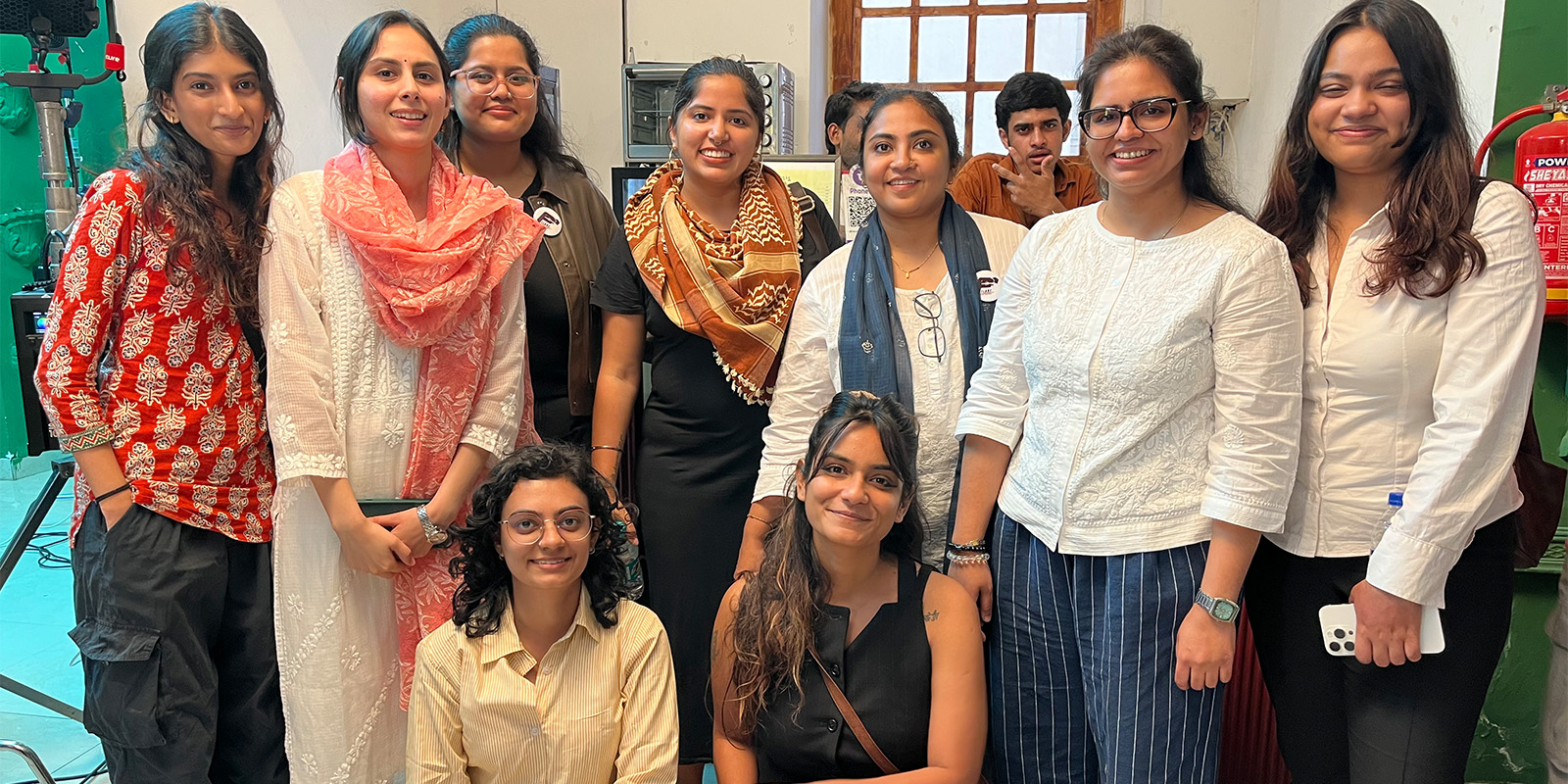
FlareCFF is not just about celebrating cinematography—it is about reshaping how we see, support and value the people behind the images.
The festival team has been integral to shaping this journey. As founder and festival director, I have worked alongside Abhra Das as director of programmes, bringing strong curatorial experience from leading festivals. The core team includes Pratik Rajen Kothari; Abhishek Gautam;Swati Jain; Divyata Gogia; Kushal Jadli; Atanu Mukherjee; Koustabh Mukherjee; Priyanka Singh; Aryaki; Garima Bhardwaj; and Raj, each contributing to the festival’s vision and execution.