

The BFI, BBC Film and Film4 have collaborated to create the new Independent Film Sustainability Handbook, an industry first in the UK.
It is described as a “practical and accessible toolkit to help guide the independent film production industry towards a more sustainable output, and to work towards reaching Net Zero”.
The Handbook has been developed with Picture Zero, a leading provider of sustainability services to the film and television industries.
The BFI is also making additional funding available so all features receiving production finance from the BFI Filmmaking Fund can appoint a dedicated Sustainability Consultant.
Future recipients of the UK Global Screen Fund: International Co-production strand will be able to opt in for additional funding to support a Sustainability Consultant on their feature film or TV projects.
A resource for the entire industry, the Handbook has been specifically created for independent productions, which are often working to incredibly tight budgets and short timeframes, and in alignment with BAFTA Albert.
Features funded by the BFI Filmmaking Fund, BBC Film and Film4 are required to apply for BAFTA Albert certification, with UKGSF projects being able to work with BAFTA Albert or an equivalent certification in a co-producing territory.
The Handbook outlines achievable ways to offset the three biggest emitters from low- to mid-budget features: Travel and Transport, Materials and Temporary Power.
It focuses on actions, initiatives and practical objectives, ranging from departmental and subject-specific guides through to advice on effectively engaging cast and crew.
Highlighting links between cost efficiencies and reducing environmental impact, the Handbook offers frameworks and timelines for planning ahead, which can have a positive impact on both.
It provides “valuable guidance” on data gathering and reporting, giving a greater understanding of environmental impact and how to achieve more robust data for applying for BAFTA Albert certification.
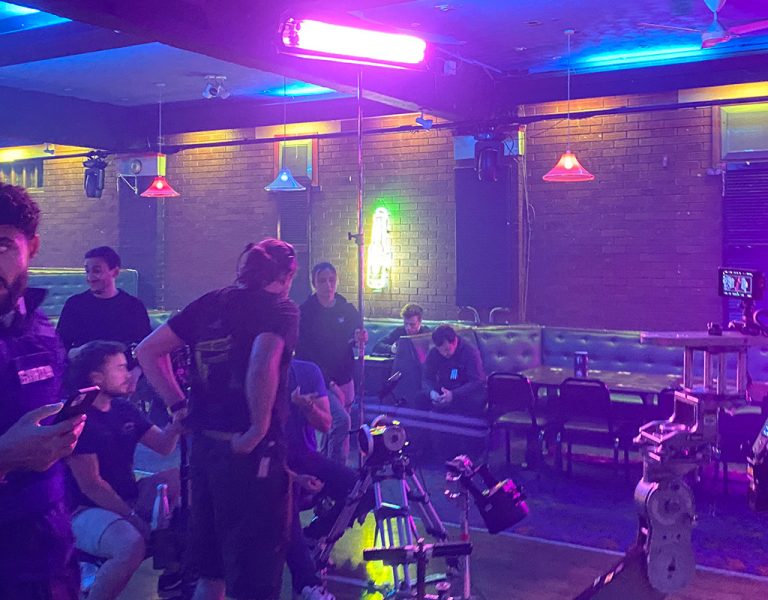
While developing the toolkit, Picture Zero piloted the use of the Handbook by working with several BFI, BBC Film, and Film4 productions from mid-2025.
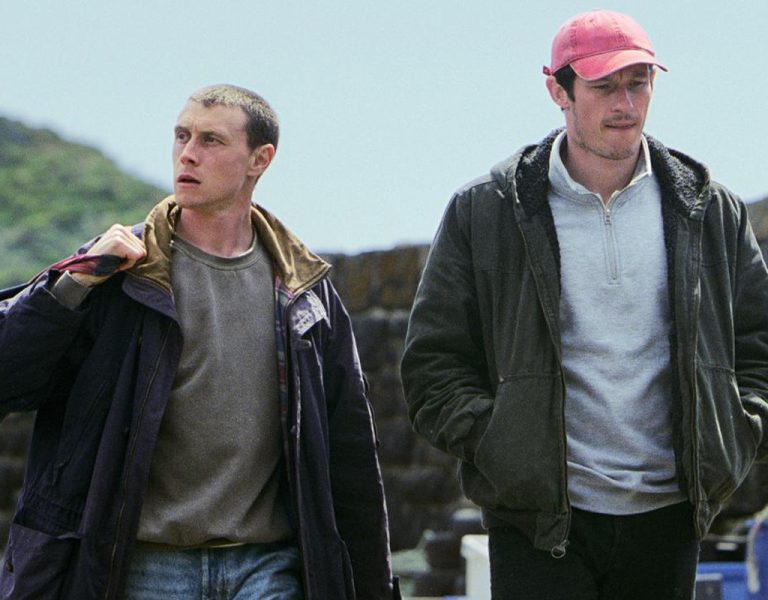
Work on independent features A Town in Nova Scotia, Daughter of Eden, Everybody Wants To F*ck Me, Stuffed, Sugar and To Make Ends Meat provided valuable insights into how productions can “meaningfully and practically reduce their environmental impact”.
Examples include:
- High-impact emissions reduction, particularly through power planning, deploying hybrid generators, and sourcing certified HVO (hydrotreated vegetable oil) to replace diesel
- Improved supplier scrutiny, enabling productions to verify fuel sustainability credentials – catching supply chain issues that would otherwise have gone undetected – and reducing deliveries through consolidating fuel sourcing
- Practical circularity successes, including second-hand sourcing, reuse of scenery flats and props as well as making donations to local charities and community organisations of usable materials during the wrap process
- Lower impact catering choices, including working with caterers to serve healthy, climate-conscious menus and reducing waste through pre-ordering and plate count tracking
- Meaningful improvements in data capture, where structured support for the production office and finance teams helped establish effective data tracking processes to understand the true environmental impact
- Improved sustainability communications, where productions embedded sustainability into routine comms and celebrated crew making meaningful choices and real progress towards a sustainable production
Keir Oldfield-Lewis, head of environmental sustainability at the BFI, said: “We are proud to have worked with BBC Film and Film4 to deliver this vital resource that will benefit productions and filmmaking teams far beyond just those we finance.
“Working with Picture Zero on developing and trialling the handbook clearly demonstrated an uplift in sustainable practices and huge positive benefit to our productions in the pilot.
“Following our work last year to formalise sustainable production in new National Occupational Standards, we are now taking an important next step to ensure our productions have the right skills and necessary funding to prioritise sustainability on set.”
Emma Kayee, head of production at BBC Film, added: “We are excited to be able to bring this incredible tool to our production partners to support their work in reducing greenhouse gas emissions throughout the filmmaking process.”
Tori Parry, head of production at Film4, concluded: “We hope this handbook is a useful tool for producers to enable more sustainable productions.
“Coming together with our peers at the BFI and BBC Film to help benefit the UK film industry is very important to us and it’s been great to see the positive outcomes from the productions that took part in the pilot.”