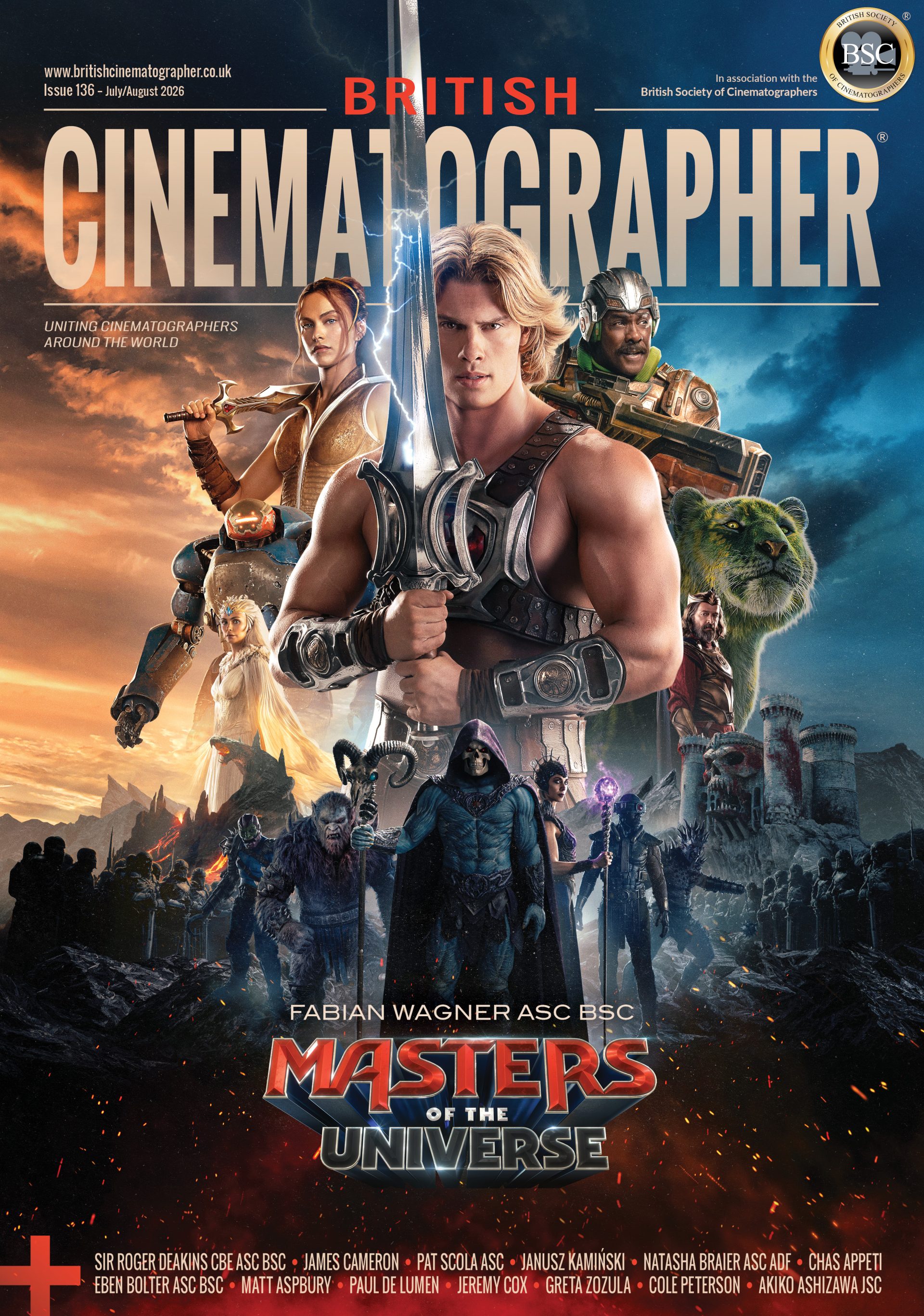


LIGHTS, CANNES, ACTION
With no Hollywood studio films in competition, Cannes Film Festival championed world cinema and the craftspeople behind the image. We round up some of the productions, filmmakers and topics of conversation that defined this year’s event.
The 79th edition of the Cannes Film Festival unfolded this year under warm skies and a sense of defiance. The official selection, unusually, boasted not one film from a Hollywood studio. While influencers poured into the festival, and Meta made its presence felt with a swish room at the Majestic Hotel dedicated to the tech company’s new AI eyewear, the lack of studio fare on the ground was disconcerting. A suggestion, perhaps, that Hollywood no longer views the world’s most famous film festival as an important launch pad.
Nevertheless, Cannes continued to fly the flag for world cinema. Following last year’s stellar line-up, which included the world premieres of Oscar nominees Sentimental Value and The Secret Agent, whether there will be a break-out from Cannes this coming awards season remains to be seen. But with films hailing from all over the globe (including Rwanda, the Democratic Republic of the Congo and Nepal), it was a real celebration of diverse filmmaking talent.
Intriguingly, many titles this year focused on the theme of filmmaking, as directors set out to examine the very art form they revere. Among them: The Beloved (cin. Alejandro de Pablo), with Javier Bardem as the director from hell; Roma Elastica (cin. Nicolas Eveilleau), with Marion Cotillard as an actress on a chaotic shoot in Italy; the splendid meta-slasher movie Teenage Sex and Death at Camp Miasma (cin. Eric Yue); and Pedro Almodóvar’s Bitter Christmas (cin. Pau Esteve Birba) – the 24th feature of Almodóvar’s career. All touched on the blur between fiction and reality that a movie set creates.
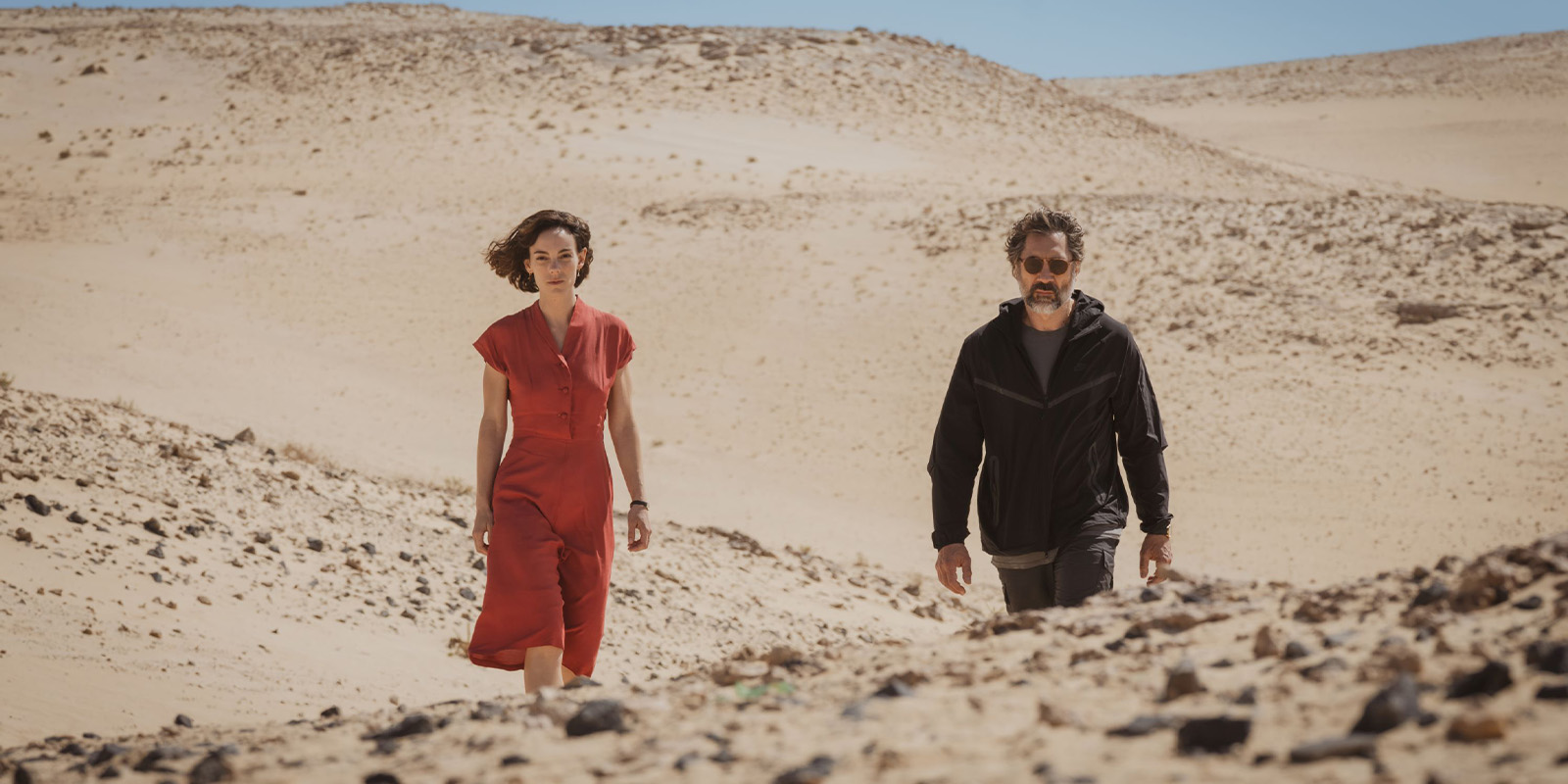
Still, it was a very different film that captivated the jury, led by Korean director Park Chan-wook, which awarded the prestigious Palme d’Or to Fjord by Cristian Mungiu. Winning the Romanian director his second Palme, almost two decades after his stark abortion drama 4 Months, 3 Weeks and 2 Days claimed the prize, it’s fair to say his first film shot outside Romania was one of the most divisive of a selection that, in truth, lacked the controversy of previous editions of the festival.
Shrewdly examining the current battleground that is conservative versus liberal values, the film casts Renate Reinsve and Sebastian Stan as a Christian couple whose parenting comes under the microscope when bruises are found on one of their children. The film comes sublimely shot by Tudor Vladimir Panduru RSC – the cinematographer on Mungiu’s last two movies, R.M.N. and Graduation – who crisply captured both the inherent tensions in the story and the stunning rural Norwegian backdrop.
In Competition
Of all competition movies, Minotaur was one of the most anticipated. Awarded the Grand Jury Prize, it heralded the return of Russian filmmaker Andrey Zvyagintsev, nine years on from his last film Loveless. Adapting Claude Chabrol’s 1969 film The Unfaithful Wife, it follows a wealthy businessman (Dmitriy Mazurov) who discovers his spouse is having an affair. Set in modern-day Russia – the Ukraine war is very present – it would make uncomfortable viewing, you might think, for the country’s leader Vladimir Putin.
Taking a share of the Best Director prize, alongside Spain’s Javier Calvo and Javier Ambrossi, who were awarded for their ambitious triptych The Black Ball, was Polish filmmaker Pawel Pawlikowski. His new film Fatherland cast Hanns Zischler as author Thomas Mann, telling of a road trip he took through post-war Germany with his daughter Erica (Sandra Hüller). Once again, Pawlikowski teamed up with cinematographer Łukasz Żal PSC, who previously shot the director’s Ida and Cold War, and here returned with some stunning black-and-white images.
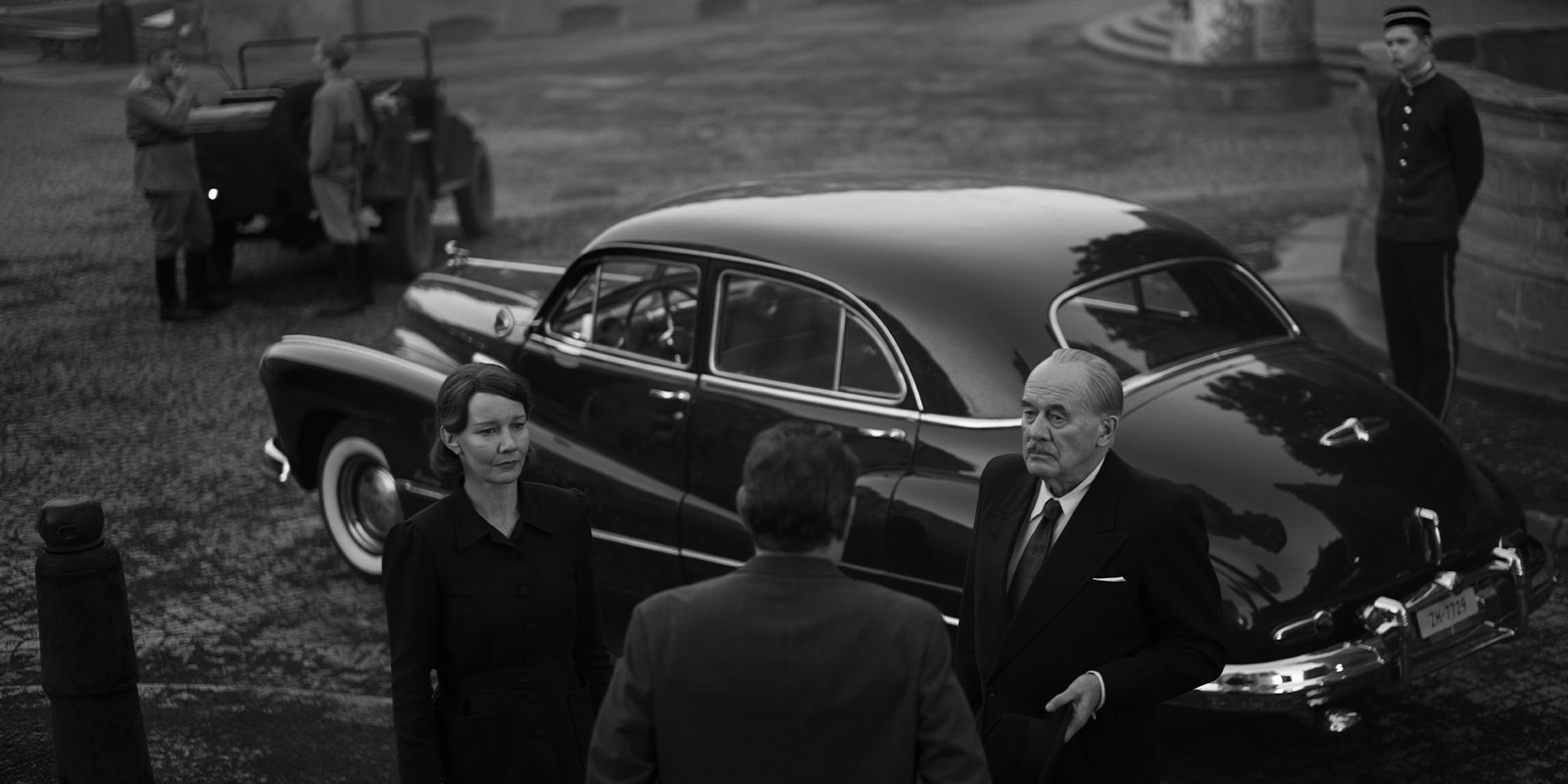
“We’ve evolved from Ida to Cold War to this,” Pawlikowski explained to British Cinematographer, speaking about his relationship with Żal, who also recently lensed the Oscar nominee Hamnet. “There were no intellectual conversations. It was very practical. How do you light it simply? There was no fancy lighting. Everything was mainly one source of light. The framing was pretty stripped down and the camera moved when it really needed to, but not for the sake of just showing that we’re moving the camera.”
Another cinematographer in competition was the Dutch-born Frank van den Eeden SBC NSC. Back with Lukas Dhont following their work together on Girl and Close, van den Eeden shot Dhont’s new film Coward, a First World War drama that saw the film’s two stars, Emmanuel Macchia and Valentin Campagne, take a share of the Best Actor prize. “Frank is a dancer to me, he dances with the camera, he dances with the actors, and he’s a great listener,” Dhont told me. “So, when something will happen here that sparks his interest, he will move there.”
Filming partially on the actual WWI battlefields near Ypres, Belgium, the production was shot with the ARRI Alexa 35. “We did some tests on film, which looked really nice to us, but because of that way of shooting, because of the liberty we wanted to have, we decided not to [use 35mm],” Dhont added. “I think with the Alexa that we shot on, there is a very physical quality to the image that I was drawn to. There was a modernity also to it, which I think suits the film.”
British movies were, sadly, thin on the ground this year, but that did leave room for Clio Barnard’s I See Buildings Fall Like Lightning to flourish in Director’s Fortnight, where it took the People’s Choice award. Adapted from the book by Keiran Goddard, it stars Joe Cole, Anthony Boyle and Daryl McCormack, among others, as a group of friends reaching their thirties. Behind the camera was cinematographer Simon Tindall (Fisherman’s Friends), who gracefully captured the Midlands settings with the sort of compassion Ken Loach might appreciate.
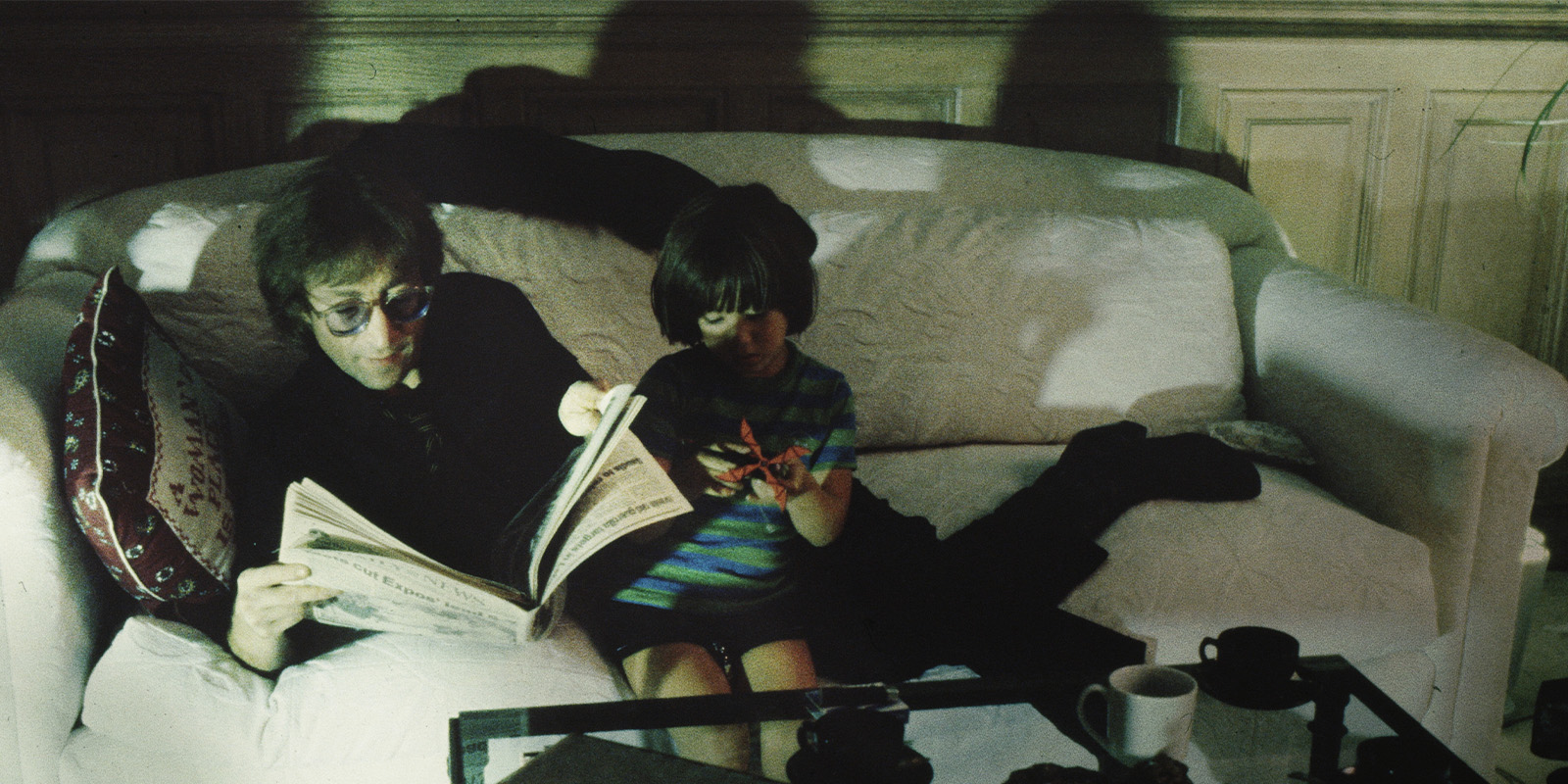
Out of competition, one of the most game-changing films was Steven Soderbergh’s latest, John Lennon: The Last Interview. Taking the audio from the very final press Lennon ever did, recorded just hours before his tragic death in December 1980, Soderbergh conjured a fascinating look at the former Beatle. But it was the fact that he used AI, utilising as-yet-unreleased tools by Meta, to help illustrate some of the more philosophical tangents that Lennon and his wife Yoko Ono go on during the interview, that caught attention.
As Soderbergh – who shot the film under his usual pseudonym of ‘Peter Andrews’ – told British Cinematographer about the use of AI in filmmaking, “There is an existential question that we’re in the middle of right now that we don’t have the answer to, which is, ‘To what extent will this start to be used and what will be the reaction of the audiences to its use?’ The only way to get there I think is for everybody to be transparent about what they’re doing with it, so that we can judge if we’re okay or not.”
Family focus
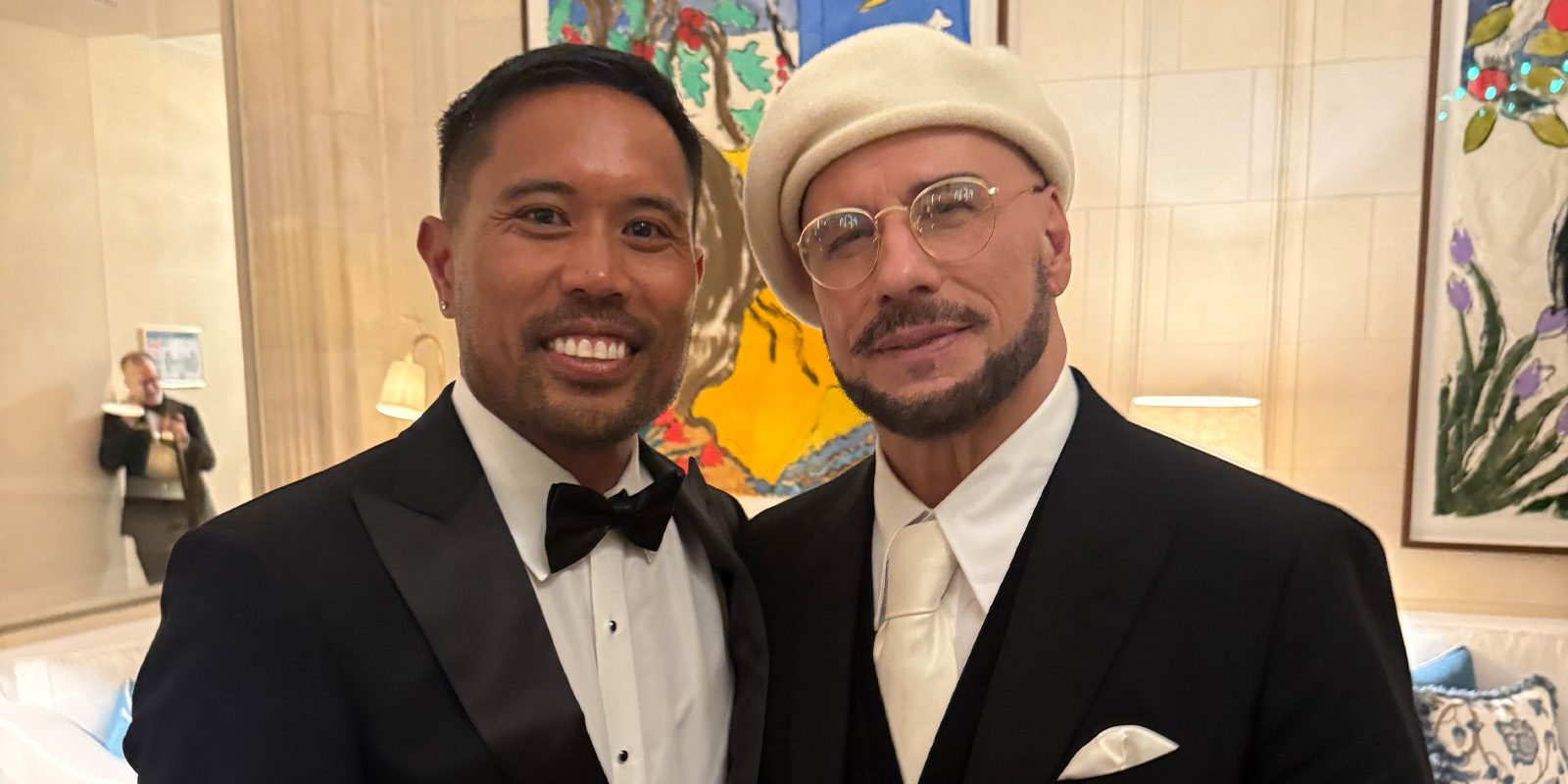
One unannounced twist came during the Propeller One-Way Night Coach premiere, which saw long-time Hollywood star but first-time director John Travolta pick up an Honorary Palme d’Or – an award whose importance he described as being “beyond the Oscar”. For the film’s DP, Paul de Lumen, who lensed Propeller using practical lighting and a child’s point of view (p. X), it was a special moment. “First of all, just being asked to help bring John Travolta’s directorial debut to life, I’m still pinching myself,” he smiled. “I felt like I was part of cinema history from the beginning. And then to become close with him and to have collaborated with him on this film… He had cast a lot of his friends and family, and it’s essentially about a mix of all these people who are important to him, from his childhood through to adulthood. I became very close to his brothers and sisters, so I was sitting in the theatre with them. None of them knew about this award, so when he was presented with it, to see John moved by it and to be surrounded by his family in the theatre was super special.”
A key theme running through several films across the festival was that of family – from A Woman’s Life (cin. Noé Bach AFC) exploring the challenges of marrying into a new family to Ashes (cin. Damián García) spotlighting the collapse of an existing one. One of the most impactful within this sphere was Costa Rican entry Forever Your Maternal Animal, which sees 28-year-old Elsa return from Belgium to Central America to try to reconnect with her parents and sister. So impactful was the film that its stars Marina de Tavira, Daniela Marín Navarro and Mariangel Villegas took home the Un Certain Regard Best Actresses prize.
Speaking to British Cinematographer, its DP Nicolás Wong Díaz explained how he and director Valentina Maurel enabled their performers to shine. “Forever Your Maternal Animal was my second feature with director Valentina Maurel, and we wanted to push our narrative style a bit further,” he revealed. “Her directing style stays very close to the actors, and all kinds of concessions were made to give them a safe space to explore. The challenge, then, was constructing a narrative style that felt coherent and consistent while still allowing the actors that freedom.
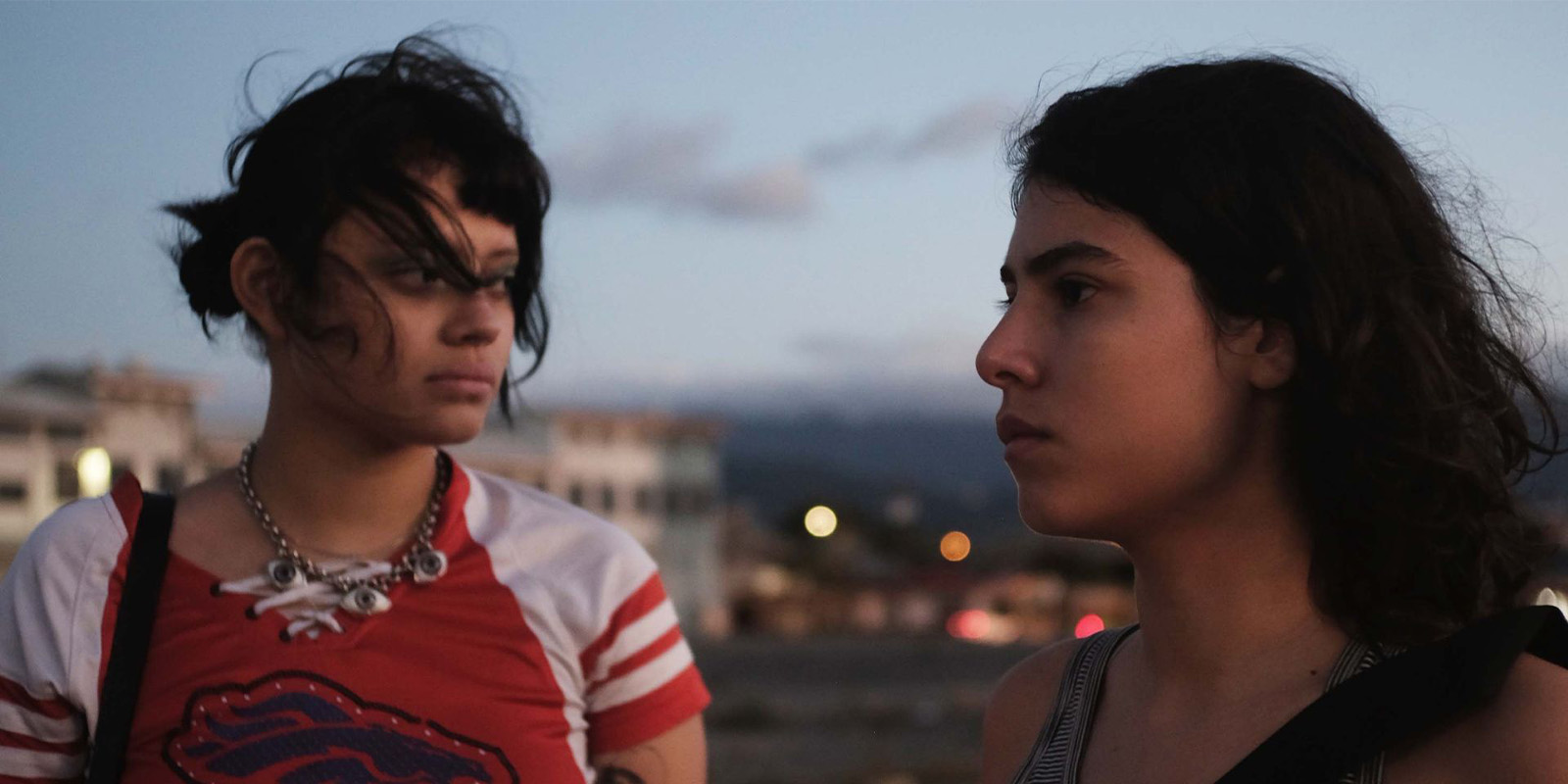
“We rode a pendulum that swung between controlled spontaneity and a documentary-style approach, as I like to describe it. Our lighting strategy generally consisted of exterior sources mixed with negative fill indoors, along with a lot of practical lighting within the frame. In a way, texture was more important than precision lighting, because the atmosphere and emotional impression of a space mattered more to Valentina than perfect continuity or conventional beauty.”
One of the standout films for the British Cinematographer team and another with a family focus was Jordan Firstman’s directorial debut feature Club Kid. Creating a buzz at the festival, with A24 acquiring worldwide distribution rights for $17 million, the comedy drama follows a washed-up party promoter who is forced to turn his life around when an unexpected visitor arrives: the son he never knew he had.
CinematographerAdam Newport-Berra ASC’s approach to shooting the film was built around authenticity. Working closely with director Firstman (who also stars in the film), the pair developed a visual language centred on “simplicity and honesty”, ensuring the film “felt genuine” and never became overly stylised. “It was really important that we believe these characters, and we believe this story,” Newport-Berra told us.
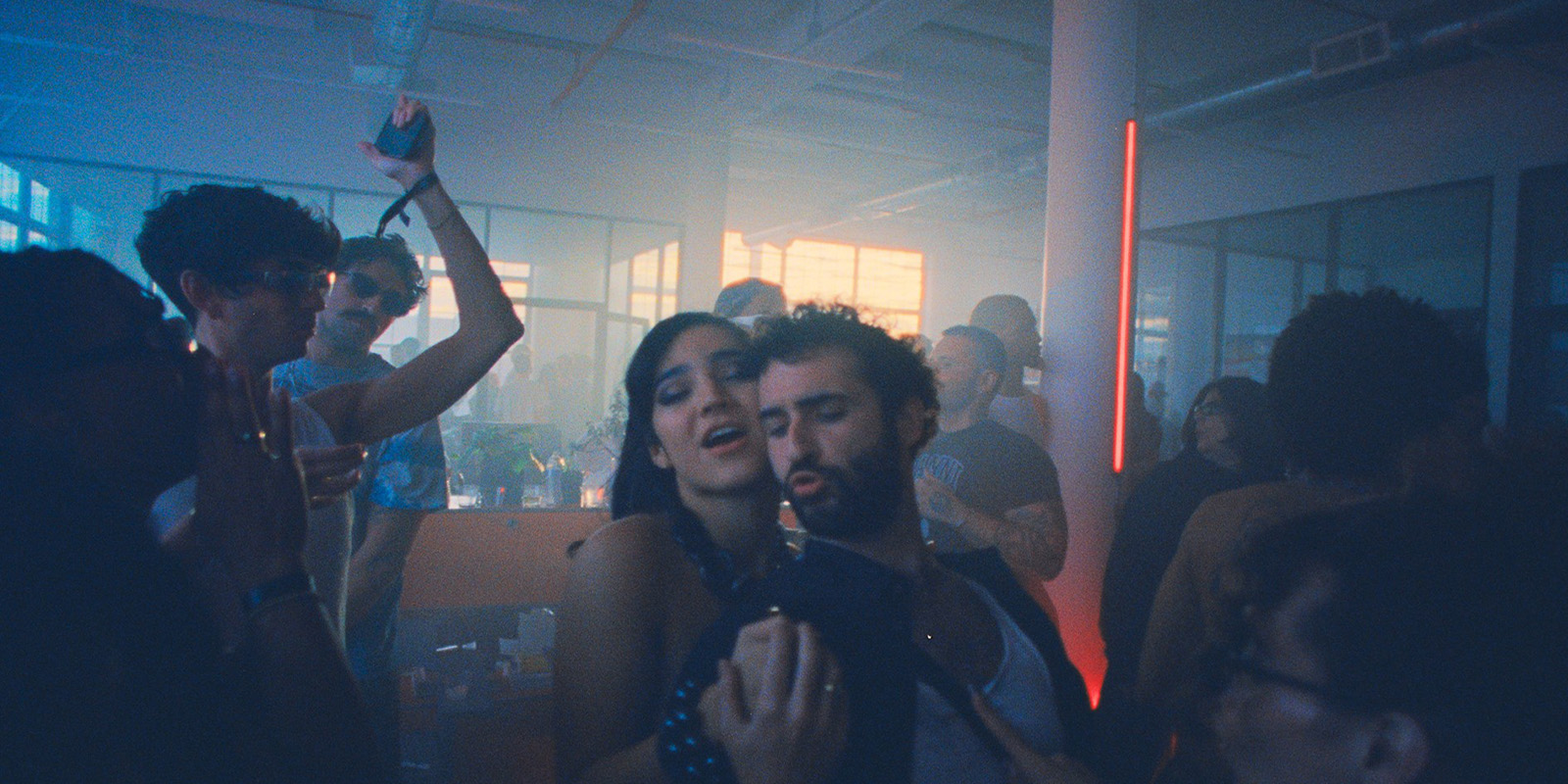
That grounded aesthetic extends throughout the film, with sequences taking place in clubs becoming an evolving visual character. Initially, the nightclub is portrayed as exciting, reflecting protagonist Peter’s happiest memories. As the narrative progresses, however, Newport-Berra deliberately shifts its atmosphere. “The goal was over time to actually shift the energy of the club and for it to become something a little more haunting, dangerous and scary.” Through changes in lighting, camera movement and an increased use of strobes, the club transforms into a claustrophobic and alienating space.
Shooting on 35mm film proved equally important. Although the production originally planned to use 16mm, Newport-Berra pushed for the larger format, forfeiting some of the lighting package, working with a smaller crew, and shooting a little less film stock than anticipated. “For me, 35mm just opened the movie up and made it feel a little more epic,” he explained, adding that it gave the intimate story a greater sense of scale while making close-ups more personal.
When shooting on Panavision XL2, ARRI 235 and 435, lens choice further shaped the film’s visual identity. Newport-Berra worked with Panavision Ultra Speed Zeiss (USZ) lenses, while introducing vintage MOY Leitz lenses “with crazy close focus” and distinctive optical aberrations for the club scenes. Rather than simply selecting focal lengths, he viewed every lens as “its own separate tool”, with each offering unique warmth, sharpness and character.
For Newport-Berra, one of the project’s greatest strengths was always the screenplay. “The script and character development is so good and there’s so much empathy and compassion for all the characters,” he said. “Everyone is very nuanced which I love, and I think when audiences can see that depth they just lean in.”
Behind the scenes
The visually striking Teenage Sex and Death at Camp Miasma about a director making a slasher sequel was another standout at Cannes, competing in Un Certain Regard. Cinematographer Eric Yue reunited with writer-director Jane Schoenbrun on the film, creating a distinctive cinematographic language that builds on their previous collaboration while exploring new creative territory.
“Anything that Jane will put in front of me, I’m there,” he said, praising Schoenbrun’s willingness to keep “exploring deeper within themselves” as an artist. For Yue, the film was both a thematic evolution and striking tonal shift, balancing the exploration of intimacy and identity with moments that are “laugh out loud funny”.
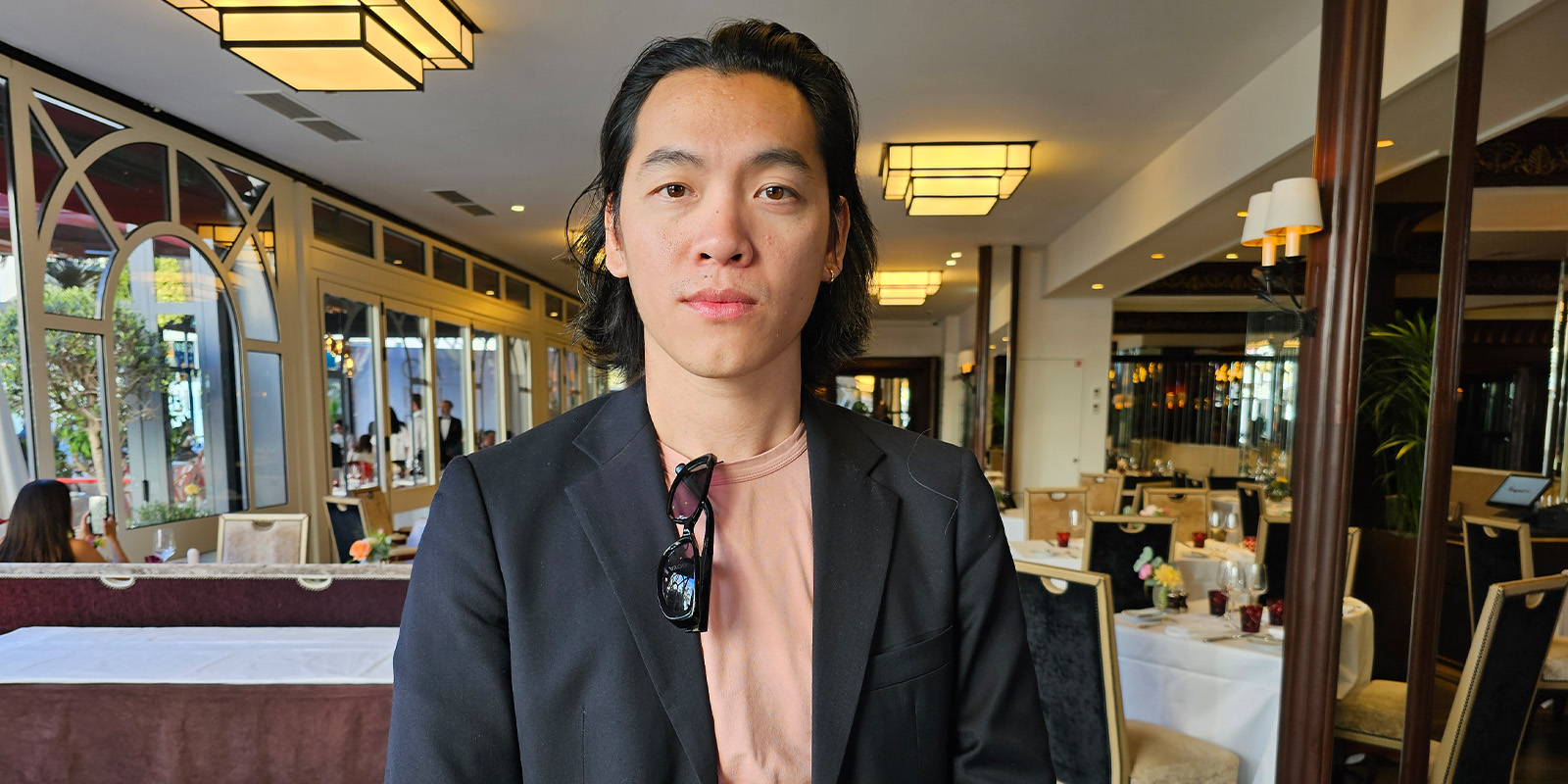
Through a strong creative shorthand and extensive preparation the pair developed the film’s aesthetic with Schoenbrun creating a 150-page visual document before the team spent dozens of hours shot-listing, storyboarding and refining ideas. “We asked ourselves what’s the scene about, and what’s the most important thing in the scene?” Yue told us.
Unlike Schoenbrun’s previous feature Yue shot, I Saw the TV Glow, the filmmakers wanted Camp Miasma to feel “really dirty and grainy”. The production was shot entirely on Kodak 500T 35mm film, pushed one stop and deliberately underexposed to emphasise texture. “I wanted to beat up the negative and not be so precious with it,” he said.
Classic horror and romantic cinema were key references and included The Texas Chain Saw Massacre and Portrait of a Lady on Fire. Every visual decision was driven by finding “the most appropriate thing from this archive” of cinematic influences to serve Schoenbrun’s singular vision. Filmed primarily on location on Vancouver Island, the production embraced practical effects, matte paintings and inventive camera choreography (which readers can find out more about in a future issue of British Cinematographer).
For Paper Tiger, which competed in the Main Competition, cinematographer Joaquin Baca-Asay told us that director James Gray asked for cinematography that was “radically out of step with the present — more like an American Visconti film than anything contemporary. He was drawn to a kind of weathered beauty — not prettiness, but something haunted by fate, with a feeling that it was almost falling apart”.
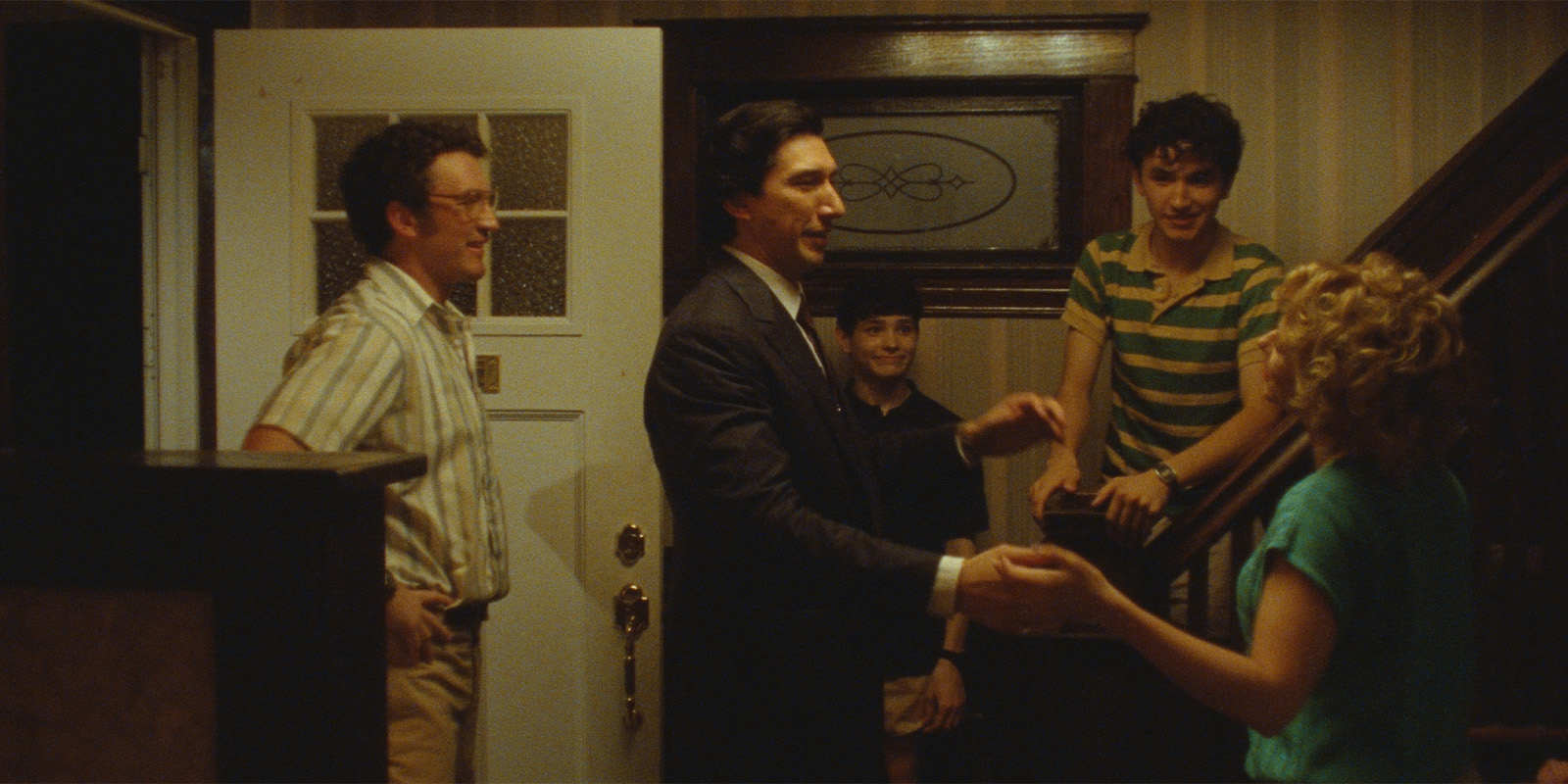
As was the case with their previous films together, We Own the Night and Two Lovers, that meant shooting on film emulsion. And as with those films, Baca-Asay underexposed the film by one stop. “Underexposing forces my hand — grainier images and softer blacks from printing the film brighter,” said Baca-Asay. “I pushed for a purely photochemical workflow: no digital intermediate, no heavy post-production correction, and a reliance on getting everything right in-camera. While we ultimately couldn’t cut the negative, approaching the process with that discipline had a meaningful impact on the final image.”
Set in 1980s New York, the crime drama follows an ex-cop turned businessman and his engineer brother whose pursuit of the American Dream leads to them becoming entangled with the Russian mob.
“We used vintage Super Baltar lenses, whose chromatic quirks subtly distort the image and evoke another era,” added Baca-Asay. “Lighting was perhaps the most radical choice: everything came from fixtures that existed in 1986 — tungsten units, vintage bulbs, and practical fluorescents — and that created a texture that we simply could not replicate with digital cameras and LED lights.”
Straight shooting
While Cannes played host to some major productions boasting sizable budgets, Straight 8’s Top 8 showcase – which spotlighted the best of the best from this year’s unique competition– delivered arguably some of the festival’s most impactful work. Which, considering each short was shot on one single roll of Super 8 film, with no post-production allowed, is a hell of a feat. One particular standout came from UK talent Lily Blunsom, whose entry Descendant used puppetry and powerful narrationto tell a very personal story of navigating a close family member’s terminal illness. On why Super 8 provided the perfect format to do so, Blunsom told us, “I really wanted to capture the sense of memory, and with a Super 8 camera, I think the form does that automatically.”
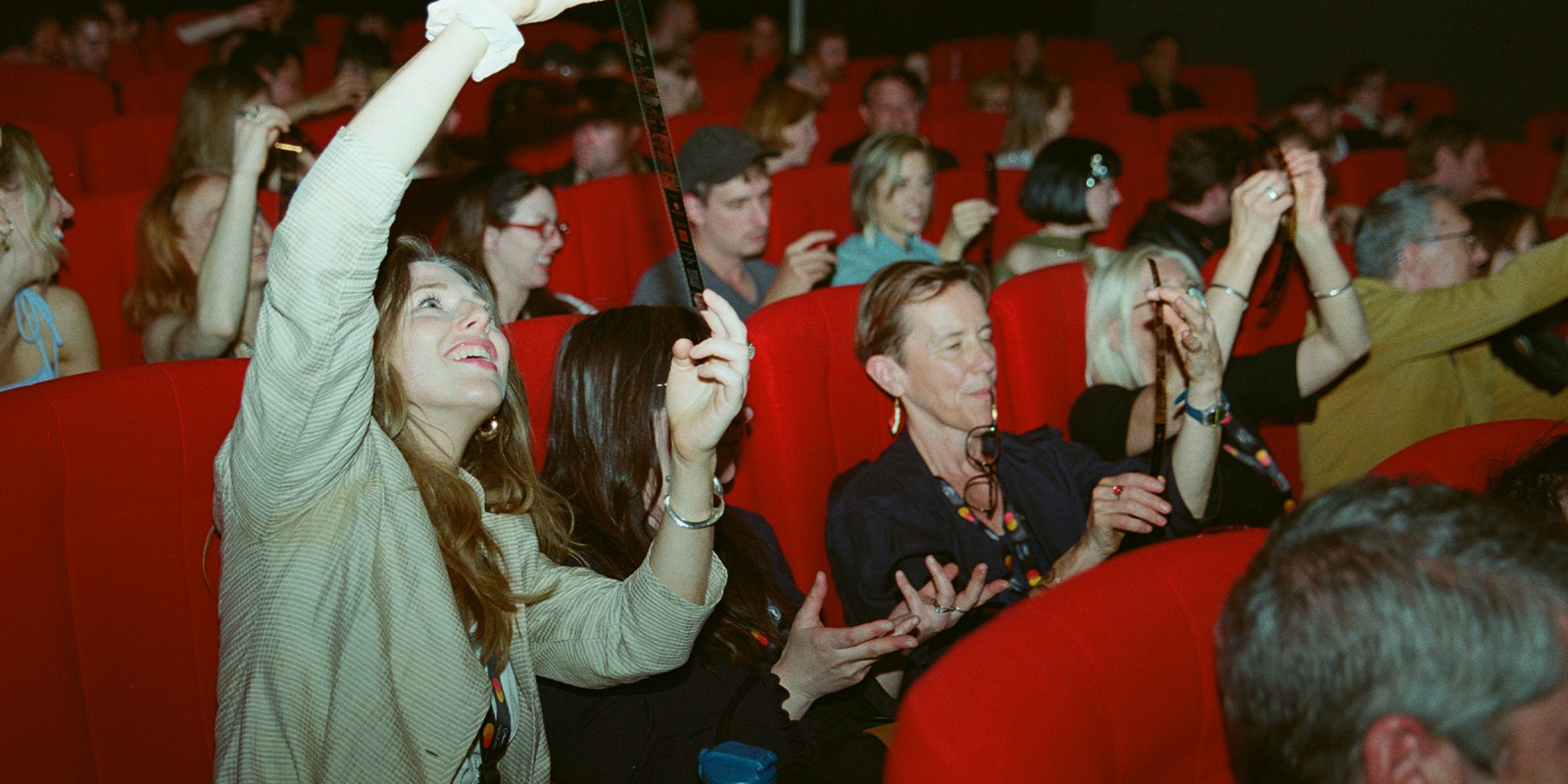
Being able to give upcoming filmmakers such a major platform to express themselves is what motivates Straight 8 founder Ed Sayers – and is helping to expand the competition’s reach – year after year. “Everyone’s heard of Cannes Film Festival, and you can’t offer a lesser-known filmmaker a greater opportunity to come here, sometimes with their first or second ever short film,” he said. “Being able to showcase your work at Cannes is really what’s helping us get more and more people involved every year.”
Filmmakers unite
As always, the festival was packed with gatherings organised by key industry players, associations and collectives. This year, those the British Cinematographer team attended included a sparkling celebration from our friends at the Girls on Film podcast and awards where they welcomed actors, directors, producers, cinematographers, distributors, streamers, financiers, publicists and industry partners and brought together inspiring women, nonbinary people and male allies from across the screen industries, all committed to sharing experiences, strengthening the creative community and pushing for a more inclusive future.
“It’s really important to be at Cannes because what we aim to do as a podcast is to shift the gender balance and make sure it’s a more equitable industry,” Girls on Film’s co-founder and executive producer, Hedda Archbold, told us at the event. “And if you look at the balance of the films at Cannes this year, there are some amazing films but not that many made by women so that shows you it is still very important to champion female filmmakers.”
Other event highlights included those put on by the teams behind some of the industry’s other key festivals including the SXSW London party at the UK Pavilion, Raindance’s villa party which was organised in partnership with Canon and the California Day soiree and Kodak’s party which were both held at the American Pavilion.
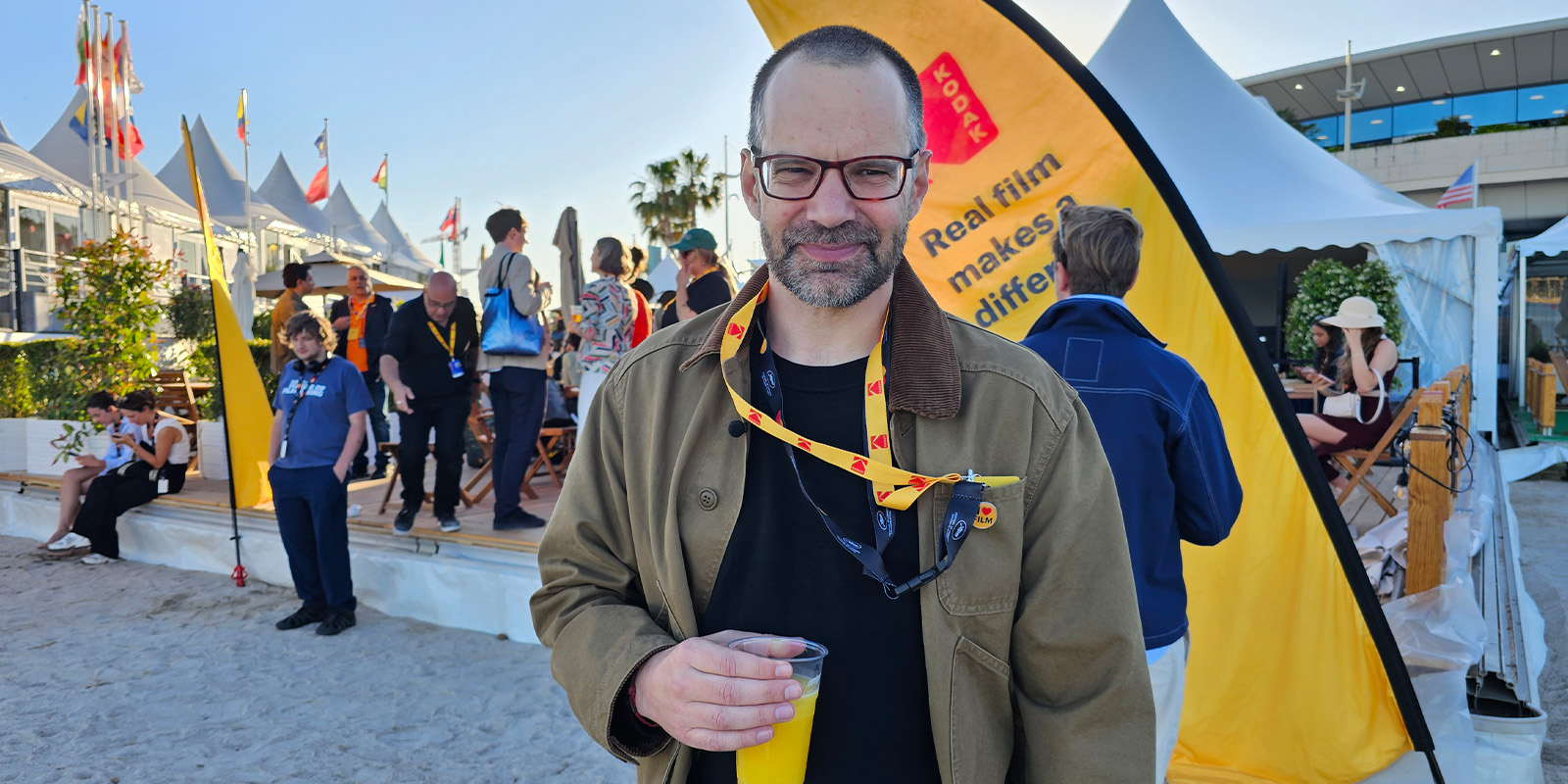
We caught up with a variety of filmmakers celebrating celluloid shooting at Kodak’s event including Hungarian cinematographer Mátyás Erdély ASC HCA who was at the festival with László Nemes’s French historical drama war biopic Mulan which screened in the Main Competition.
“We shot on film and with Panavision anamorphics and are one of the only films at the festival also projecting on film since 2018. This is my fourth project with László and we always shoot on film because that’s what we love to do,” he said.
“This one is László’s first anamorphic film and it’s a little more traditional in terms of its storytelling than what we usually do but I think it’s very beautiful and I hope the audiences enjoy it as much as we enjoyed making it. Just to be working with one of my favourite directors for the fourth time made the experience amazing because we have such a shorthand and we are so much in sync that it is very enjoyable to make movies like this. To have a film at this festival is the biggest honour. It’s the best audience and most heartfelt celebration of filmmakers.”
Innovative storytelling
Elsewhere, the teams from ROE Visual and RED joined forces to organise an industry gathering on one evening as well as being involved in other areas of the festival such as the Innovation Village. Marina Prak, ROE Visual Europe marketing manager, was proud to showcase a virtual production set as part of the Cannes Next Virtual Production Conference & Showcase Stage at the Innovation Village.
“There’s a whole ecosystem set-up there; we have the LED screen, camera and camera tracking, LED processing and media server and a whole series of sessions to inspire DPs and take away the fear of working within a virtual production volume and convey the message that virtual production is not scary and can really enhance storytelling,” she said.
“Cannes is a key event for us because the people who make the decisions are here: the creatives and the people from the studios. Craig Kief ASCis also doing a sessions for us called ‘Painting with Light: Using LED Panels in Virtual Production to Create Invisible In-Camera Visual Effects’ where he will discusslighting different skin tones with our full-spectrum panel. We hope those types of session delivered by a DP with experience in a volume will inspire peer-to-peer conversations.”
Critics and craft
For the past 65 years, La Semaine de la Critique (Critics’ Week) has been supporting the first steps of short- and feature-film directors from across the world; particularly artists who venture off the beaten path to reinvent storytelling and experiment with new cinematic language.
This parallel selection of Cannes Film Festival dedicated to first and second films yet again celebrated the next generation of filmmakers with exciting new partner additions including Sony who got involved through the Discovery Prize for Short Film by Sony, underlining the company’s commitment to the younger generation of filmmakers and supporting the emergence of new talent.
Prizes awarded by La Semaine de la Critique’s Jury – which featured Payal Kapadia (jury president), Ama Ampdadu, Donsaron Kovitvanitcha, Théodore Pellerin and Oklou (Marylou Mayniel) – included the AMI Paris Grand Prize which went to La Gradiva by Marine Atlan, the Louis Roederer Foundation Rising Star Award, presented to Aina Clotet for Viva (Alive) by Aina Clotet and the Sony Discovery Prize for short film which was received bySkinny Bottines (Skinny Boots) by Romain F. Dubois.
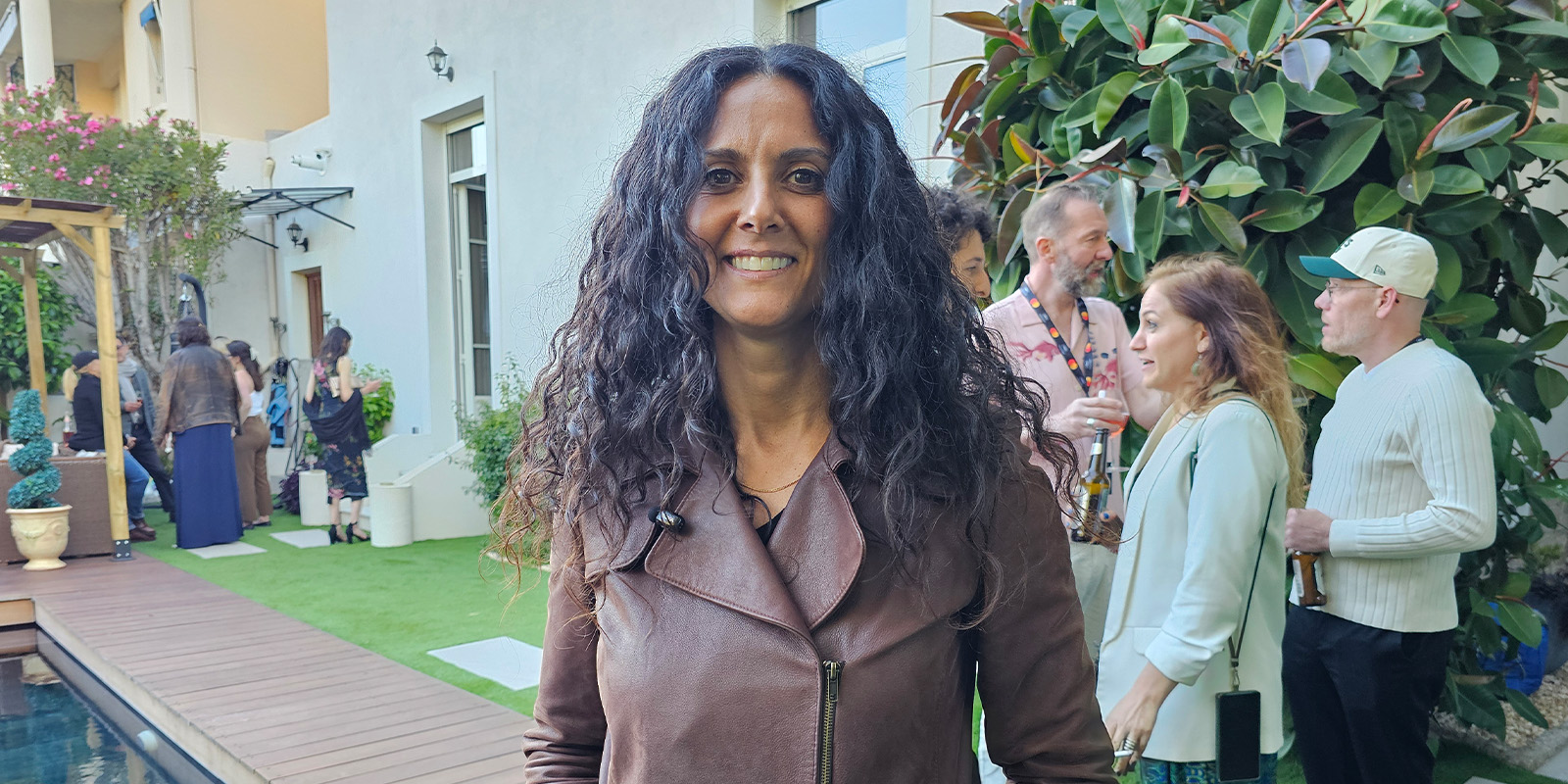
We spoke with Frida Marzouk AFC about shooting Ali Cherri’s La Sentinelle (The Sentinel) which was part of the La Semaine de la Critique official selection. The film follows depressed and weary soldier Sergeant Lafleur who is struggling with the silent burden of duty in a warmongering world and while on guard duty on Bastille Day accidentally injures himself with his gun.
“The director wanted to shoot on film but we didn’t really have the budget so we decided to shoot digitally and then go to 35mm film using a DFD (digital-film-digital) process. So we had a very good film texture in the end,” she told us, also highlighting how special it felt to have her film seen and recognised by peers at a prestigious event such as Cannes.
Masterclasses and celebrations
Away from the films, the festival was bustling with panels and masterclasses. On the second day, Peter Jackson arrived for a ‘Rendezvous’ Q&A in front of a packed house at the Debussy theatre, the night after he received an honorary Palme d’Or. The Oscar-winning director seemed genuinely moved to be back in Cannes. “The two times that I came before were monumental,” he explained. In 1988, he took his made-on-weekends debut Bad Taste to the Cannes market, selling it and kickstarting his career. Thirteen years later, he returned triumphantly with the first ever footage of his epic Lord of the Rings.
While other honorary Palmes were awarded to John Travolta and Barbra Streisand, actors and directors were not the only talent being feted. Once again, the Pierre Angénieux Tribute played a big part in Cannes, as it singled out the work of an esteemed cinematographer. The 2026 Tribute, tied into the fact that Japan’s cinematic excellence was being honoured by the festival, went to Akiko Ashizawa JSC, whose career spans over 70 films. The day before receiving her award, the very modest Ashizawa participated in an engaging masterclass hosted by The Hollywood Reporter’s Jordan Mintzer.
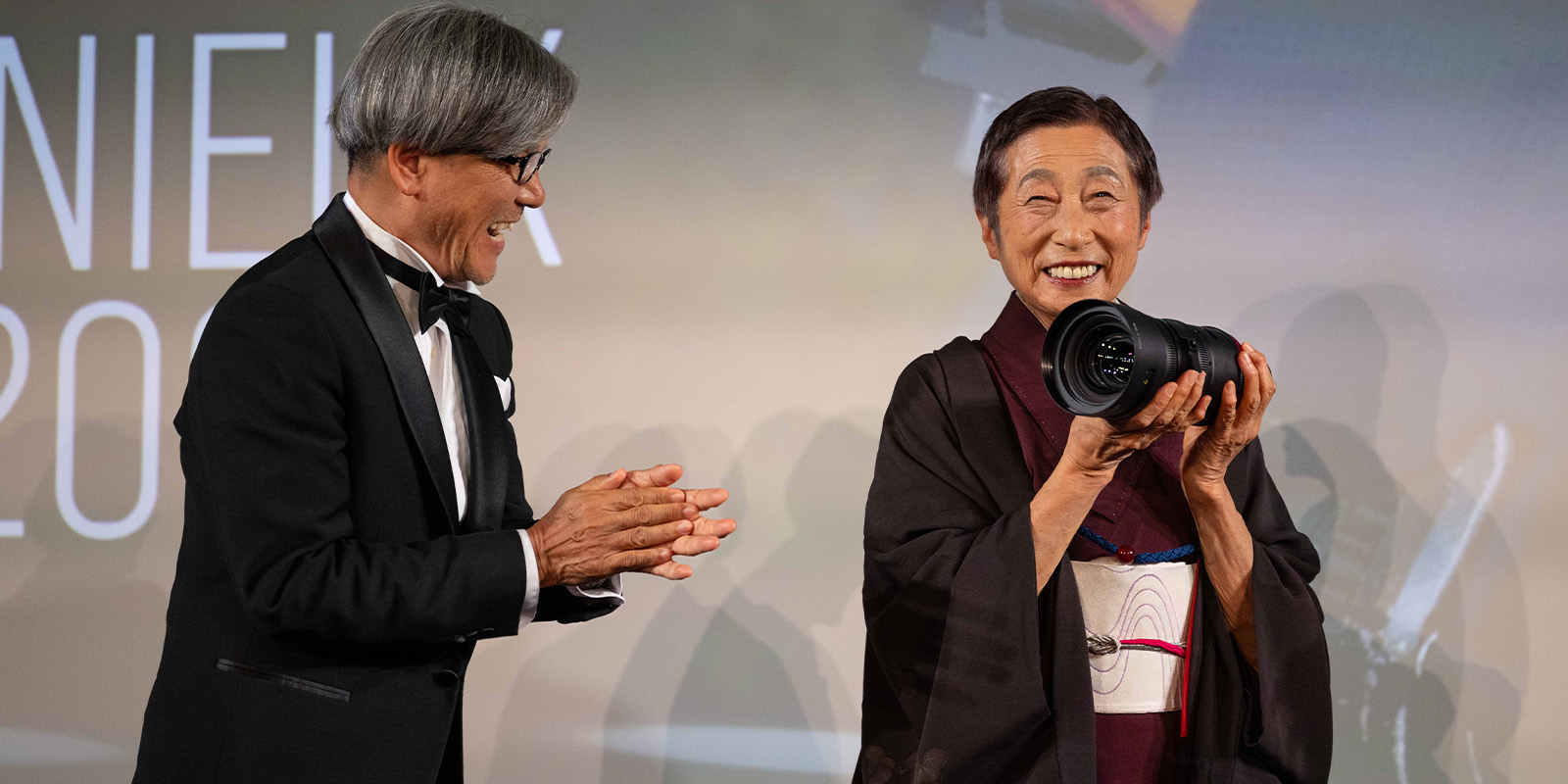
Mentored by Hideo Itô, the director of photography who shot In The Realm of the Senses, Ashizawa spoke passionately about how he encouraged her. “He taught me, no matter what kind of budget that is, or no matter what size of the project is, you need to give one hundred percent,” she said. Even so, her rise through the film world, beginning her career in the 1990s, is nothing short of miraculous. “At that time the Japanese film industry was systematically male dominated,” she explained, noting how it was TV and commercial work that got her a start.
Also celebrated with a Special Encouragement Award was Linh Dan Nguyen Phan, with whom we were able to speak at a press lunch shortly after Ashizawa’s masterclass. The first female DP in Vietnam, whose work includes the upcoming historical epic The Last Empress, Dan was delighted by the recognition, something cinematographers are not so used to. “We usually work behind the scenes. It’s not often enough that we get a space where we feel seen, especially coming from Vietnam. To be able to be recognised or seen somewhere outside, in the world, feels like a really special step.”
British Cinematographer also attended a gathering at the main Palais for the Prix CST, the annual award for technical merit given by theCommission Supérieure Technique de l’Image et du Son. In attendance, alongside jury members, was Evgenia Alexandrova AFC, who previously won the CST Award for Best Young Technician, for her work on Noémie Merlant’s The Balconnettes in 2024. Certainly, that year’s jury showed excellent intuition; the Russian-born cinematographer went on to shoot last year’s celebrated Oscar nominee The Secret Agent.
The main prize for Best Artist-Technician has been awarded to cinematographers the past two years; in 2024, Daria D’Antonio AFC CCS won for Paolo Sorrentino’s Parthenope, while last year, Ruben Impens SBC claimed it for Julia Ducournau’s Alpha, sharing it with the film’s sound designer Stephane Thiébaut. This year, editor Nicolas Rumpl won for Emmanuel Marre’s French Resistance drama A Man of His Time (which was also awarded Best Screenplay by the main jury). Best Young Technician went to production designer Esther Mysius, for her twin sister Léa Mysius’ home invasion thriller The Birthday Party.
On the middle Saturday, a lively panel took place at the Village International, hosted by Iddo Patt, co-founder and CEO of Eventive, a company which provides ticketing, streaming, and audience management tools for festivals, cinemas, and filmmakers. Titled ‘The Evolution of Distribution: How a Direct To Audience Pipeline Will Energise Independent Film’, Patt introduced guests from across the film industry as they challenged the notion of traditional routes (festival-sales agent-distributor) for indie movies.
Panellist Sharon ‘Rocky’ Reggio was able to bring her experience to bear with documentary, 1946: The Mistranslation That Shifted Culture. After a successful premiere at Doc NYC, the film was turned down by studios, but Reggio was able to monetise the film’s strong online word-of-mouth through self-distribution, selling tickets via Eventive. As Patt pointed out, “It now makes a lot of sense for filmmakers to build an audience in a community before a film even plays at a festival.” In a year when Hollywood sidestepped Cannes, all this felt like real food for thought.