
A WINNING FORMULA
DP Tristan Chenais explains how simplifying the filmmaking process led to a successful shoot on Raindance Film Festival breakout Tramp.
When director Philip McGoldrick first approached me about a short narrative film centred on a female MMA fighter becoming a mother in the middle of a championship, I was immediately intrigued. The depth of the main character, along with the difficult decisions and humbling moments in the script, felt like fertile ground for raw visual storytelling.
Shortly after the script was completed, Philip realised that a short film would never fully capture the depth of the story, and we decided to expand it into a feature. In reality, however, the scale of the production hadn’t changed. We knew we were about to embark on a year of guerrilla filmmaking, with all the challenges that come with it.
Fight night
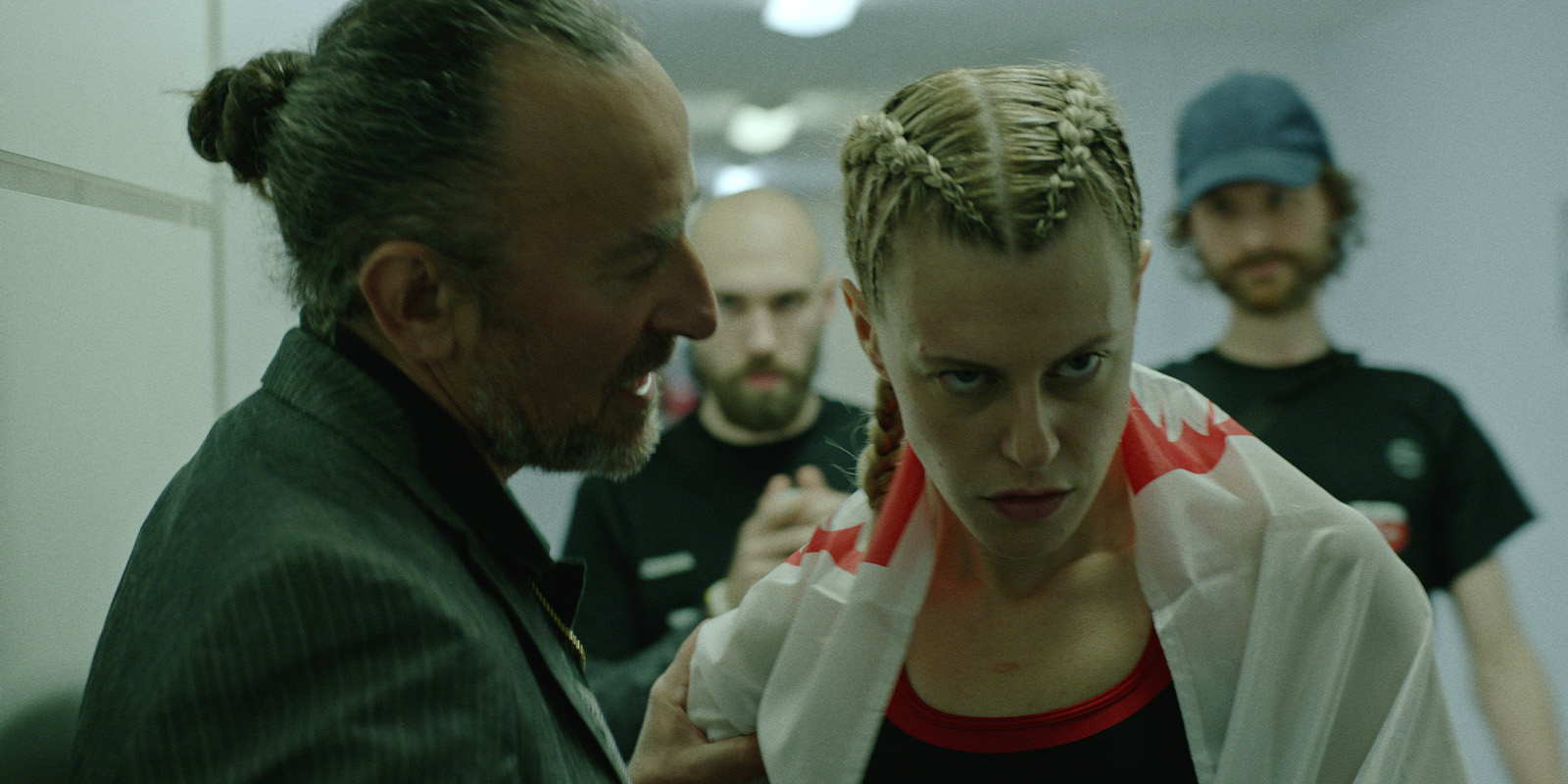
The biggest challenge was the fight nights. There were three in the script, and it quickly became clear that recreating MMA events was beyond our means. The scale of the venue, crowd and production design would have consumed our entire budget in less than half a night. We knew we had to shoot during real events, with real crowds, a real arena and real fighters.
That immediately dictated our approach. The camera department had to remain extremely light, almost invisible, and lighting was simply not an option.
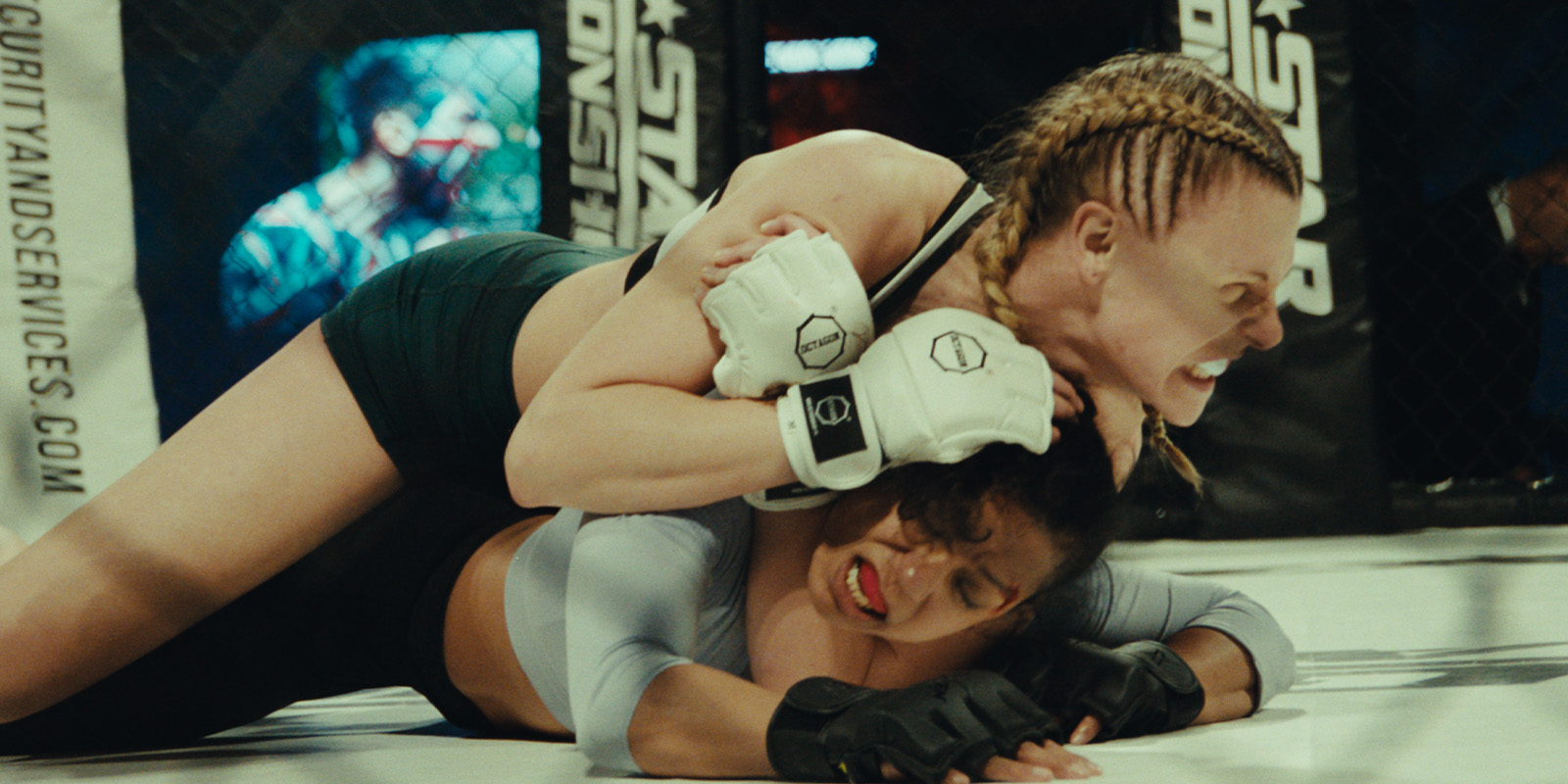
During pre-production, Philip discovered an MMA event that would allow us to film between real fights. The organisers granted us three 20-minute windows during which we could access the backstage area, the walk-up to the octagon and the inside of the cage while the audience remained in place. It was an incredible privilege, but also a significant challenge, as we had to film the opening fight choreography within those brief intervals.
From that point emerged both the desire and the necessity to blend real-life events with scripted scenes that would be filmed later in the year. We wanted to embrace the unpredictability of real MMA fight nights without creating a stylistic divide between those moments and the rest of the film. It required a seamless integration of two worlds and two filmmaking approaches: documentary and narrative.
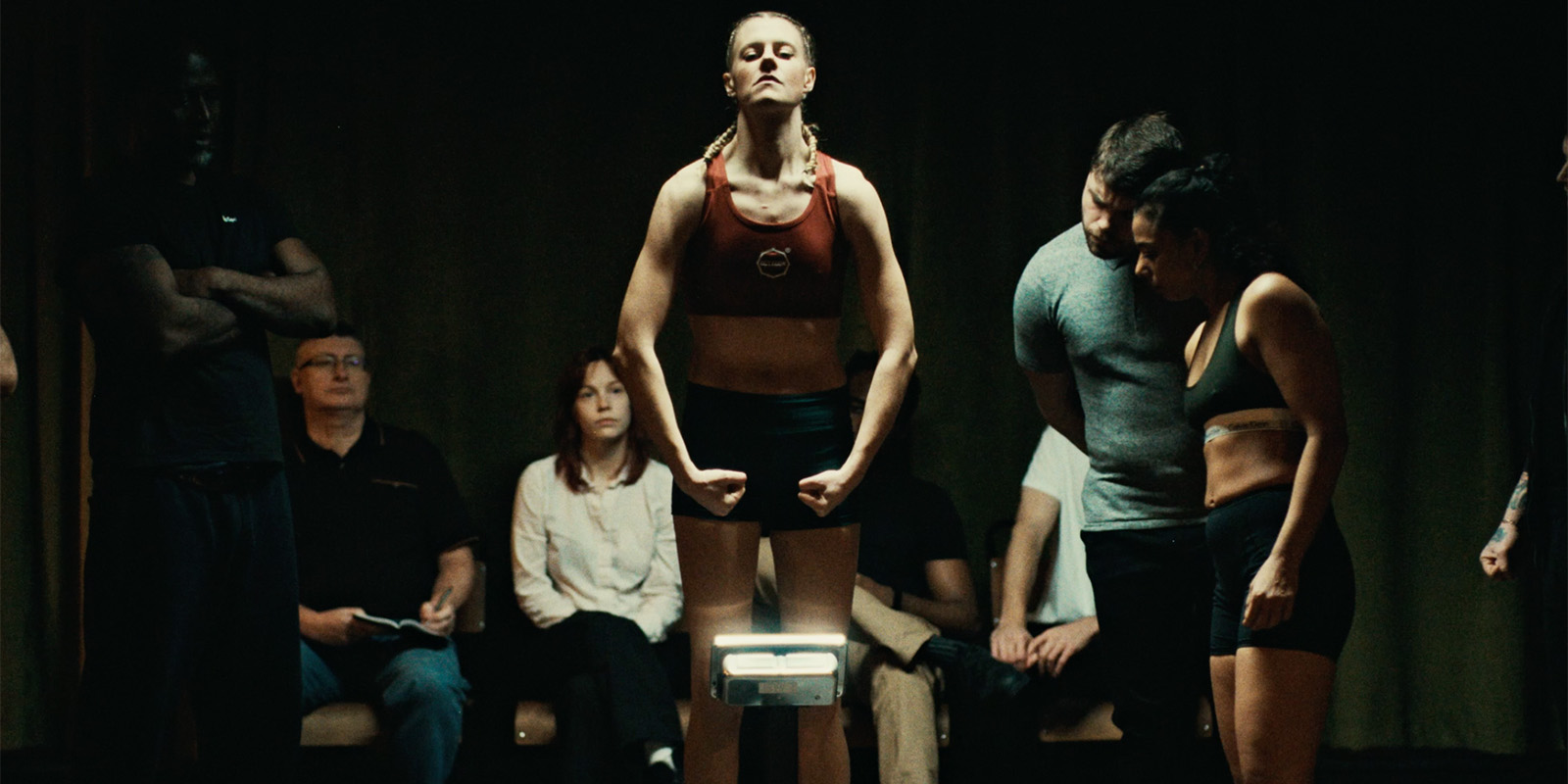
From the beginning, we were drawn to a slightly rough, vintage aesthetic that avoided both too polished and pure realism; somewhere between documentary and drama. The images needed to be sharp but feel lived-in and accidental, while still carrying depth and history. Yet we only had access to each fight night once and virtually no rehearsal time.
Picture perfect
Early in the process, Philip and I were both attracted to the portrait-like quality of large format sensors. There was something almost photographic about it that isolated characters, and initially we even considered shooting in a 1.5:1 aspect ratio. We eventually returned to 1.85:1 to stay closer to a simpler storytelling language.
Shooting large format on vintage lenses during a continuous fight choreography was inherently risky and left no room for mistakes.
Unfortunately, the first fight night arrived before production had properly begun and before we had assembled a crew. To allow for flexible and improvised filmmaking, and to avoid missing such a unique opportunity, I opted to use an affordable autofocus system for DSLRs that was beginning to emerge online: the PDmovie system. I adapted it to my Zeiss Contax lenses and the Mini LF, and that became our setup for the first shoot.
I was terrified of starting that opening shot and losing wireless focus mid-take, and ruin one of our three opportunities. We essentially had one chance, so I felt I had to be entirely self-sufficient.
The razor-sharp, centred LiDAR autofocus created the distinctive look that opens the film. Following Grazyna (Izabella Malewska) as she rushes into the ring, through the MC’s introduction and the entire fight until Adriana AI (Ruqsana Begum) ultimately wins and circles the cage, all in a single take, tracking on an 85mm lens with perfect focus, created an immersive and dizzying effect. It reinforced both the documentary quality of the sequence and the intense concentration one can feel before a major performance.
We then filmed the inside of the cage two more times on 35mm and 50mm lenses, allowing us to cut around punches and conceal some of the choreography tricks. Together, those takes formed the entire introduction of the film. I also employed a 90° shutter angle to heighten the frantic energy of the moment.
Speaking the language
We now had our first footage, and the visual language of the film was established. To maintain consistency and avoid breaking from that aesthetic, I decided to shoot the rest of the film almost exclusively using available light, with only a single Nanlux PavoTube reserved for exceptional circumstances.
Some days were carefully planned with a small camera team, while others were entirely guerrilla. Regardless of the circumstances, I wanted the film to maintain a consistent energy and avoid slipping into a purely observational documentary style. Creating a cinematic atmosphere within such limitations became an ongoing challenge.
I quickly accepted that I could not rely on additional lighting or complex camera rigs. Every aspect of the visual storytelling had to emerge from their absence. Flexibility and adaptability became guiding principles. Early on, I embraced short frames, frames within frames and tight compositions as a way to overcome limitations, to hide what I could not light and frame out what could not be dressed.
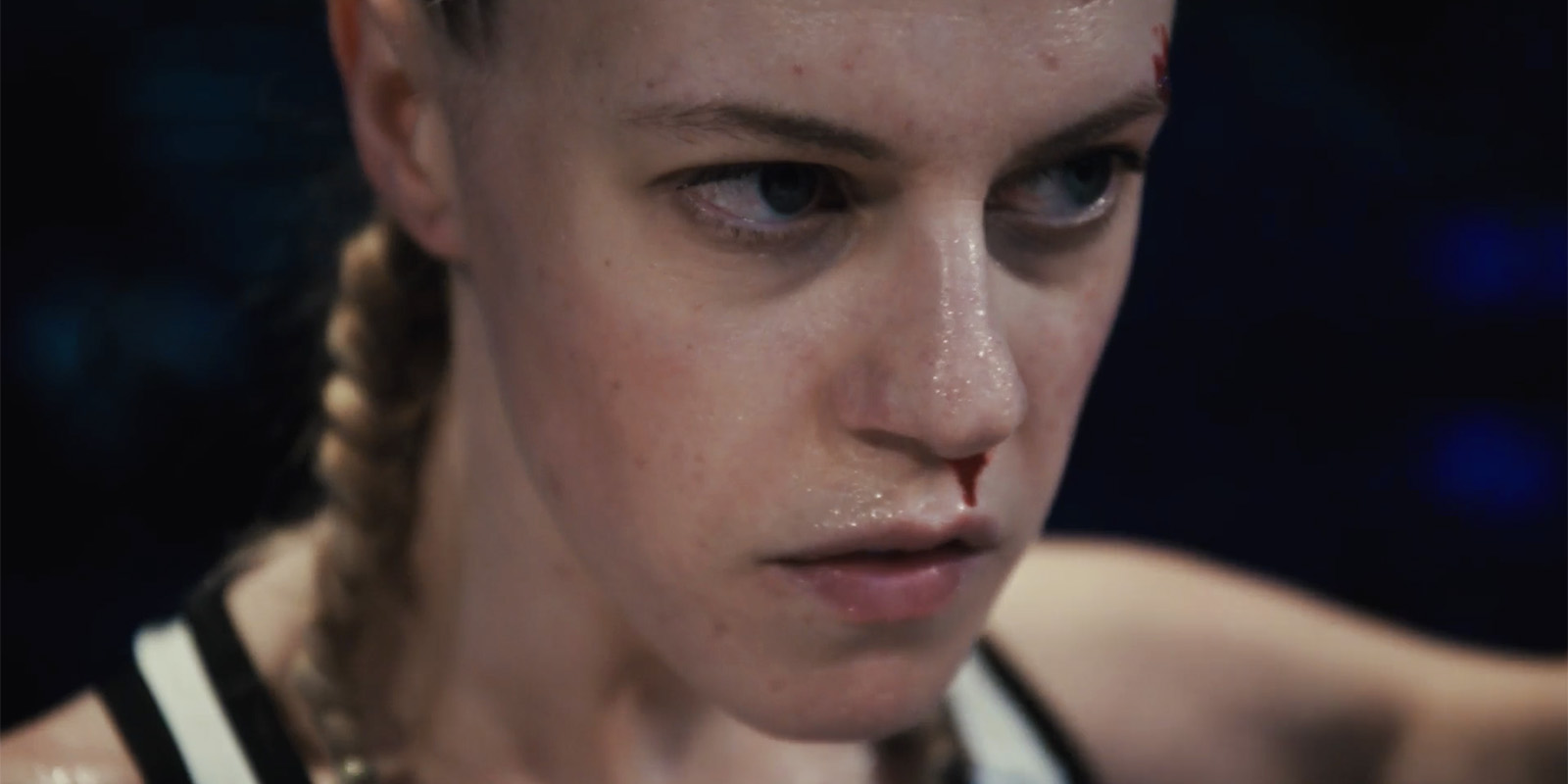
This approach, driven by the emotional state of the character, ultimately shaped the entire visual identity of the film and gave us remarkable freedom to respond to the situations guerrilla filmmaking constantly presented.
In my mind, every scene had to function almost as a one-light setup: a zone of interest surrounded by darkness that reflected the emotional tone of the character. The remaining space became negative space and negative fill, creating tension and supporting the narrative. Every source of light had to be motivated by practicals or objects already present within the story world.
I often used practical lights from adjacent rooms, as they provided soft indirect illumination while allowing me to keep the source itself outside the frame. Turning off direct lighting became a daily ritual. It forced me to rediscover each location and understand how its architecture shaped the available light. From there, I had to find a reason to stage the scene in the right part of the space, to carry the story and ensure the actors would remain properly exposed.
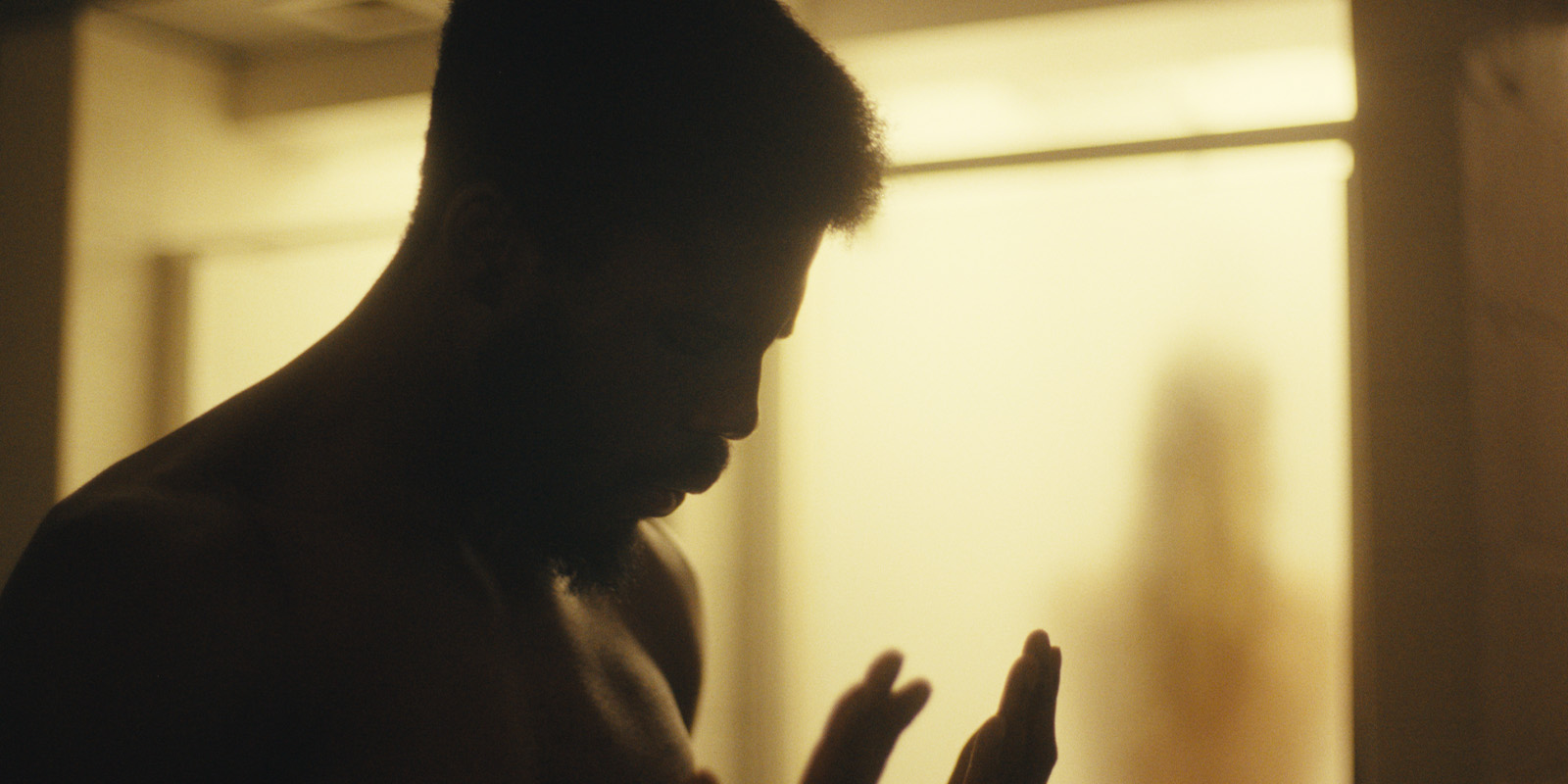
Some days were daunting and forced me to rethink everything I knew about creating images. The challenge was not simply how to achieve a certain aesthetic, but how to reinvent the process entirely.
The production ultimately stretched across more than a year, as we had to wait for subsequent MMA events to stage key parts of the story. We moved from winter to summer and back to winter before finally wrapping. Maintaining visual continuity and a coherent sense of time while relying almost entirely on available light was an enormous challenge.
To manage this, I graded footage and created still references throughout the shoot. This allowed me to refine and update my LUTs according to seasonal and weather conditions before each new block. It also helped refresh my memory and maintain consistency across the film’s evolving visual language.
As an NFTS alumnus, I was always taught to place story above everything else, as my tutor the late Brian Tufano constantly reminded us. Yet this film felt particularly significant to me because it represented a return to the fundamentals of visual storytelling.
By stripping away much of the apparatus that can sometimes stand between us and the story, the filmmaking process became both simpler and more demanding. Creativity emerged directly from necessity: a familiar lesson, perhaps, but a humbling one. That made the nominations at Raindance Film Festival particularly rewarding; Best Cinematography, Best UK Feature and Best UK Director, and Izabella Malewska won Best Performance in a UK Feature. More than anything, it felt like encouragement to continue embracing these principles, regardless of budget.
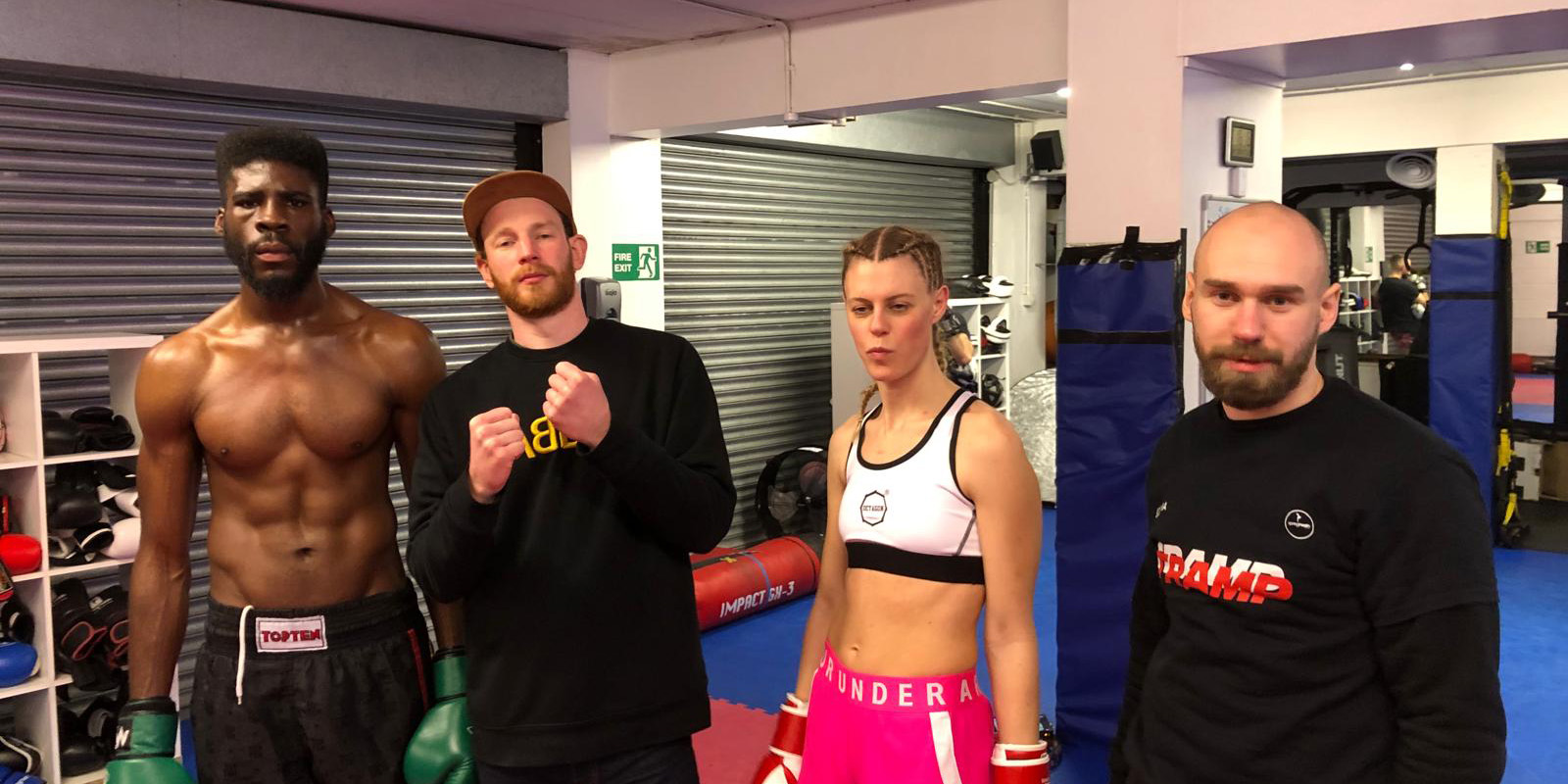
I would like to thank particularly the cast and my camera crew who showed up over the year to work on this passion project, and Too Many Pixels rental for following us and providing the camera equipment.