
FROM SKATEBOARDS TO STUDIOS
Filmography so far (project title, director, year released)
The Trap, 2023, Dir Lena Headey
Bookyville, 2024, Dir Nakiah Varcianna
Spud, 2024, Dir Siobhán McSweeney
Dreaming Whilst Black (Emmy-nominated Episode 1), 2021, Dir Sebastien Thiel
The Flood 2019, Dir Anthony Woodley
When did you discover you wanted to be a cinematographer and what inspired you to follow this career path?
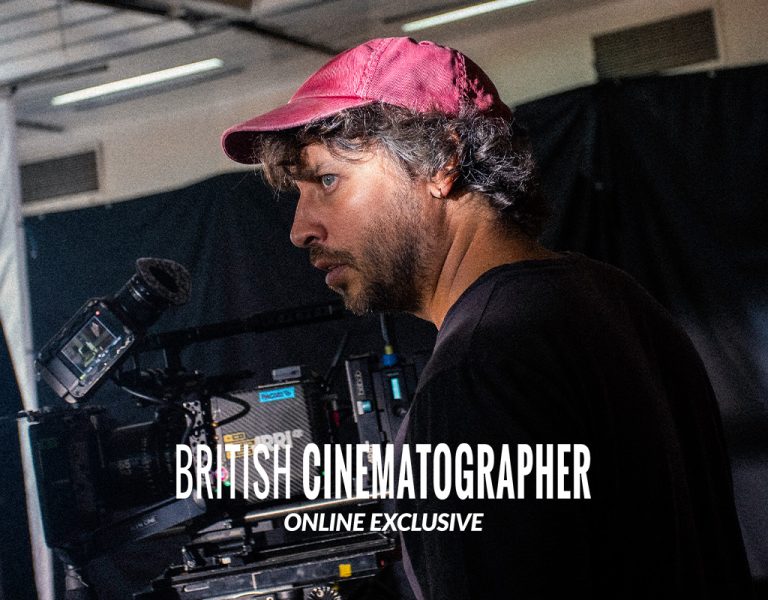
I first picked up a camera as a teenager filming skateboarding, but I was more interested in editing early on. I got a stills camera when I was 18 and on an internship at Fat Sand Films, my bosses Rob and Pete taught me to use a Sony Z1/ Canon XHA1 camera. I learned a lot from watching films at our local arthouse cinema like City of God and Donnie Darko. This made me realise how powerful imagery is to tell a story and evoke emotion, which got me thinking about lighting. Around the same time, the company I worked for brought on David Procter BSC as DP for a project. Watching him work was my first real introduction to the role of cinematographer — and it made me realise that was the path I wanted.
Where did you learn your craft?
I didn’t go to university and worked up from intern at Brighton’s Fat Sand Films to lead videographer/editor. I learned a lot experimenting with limited resources through trial and error. I did a couple of cinematography short courses and then became a camera assistant for a few years, learning how a set works and the role of the cinematographer. I continued shooting shorts and content but felt stuck. I needed time to focus on cinematography and was lucky to study at NFTS in my late 20s.
What are your favourite films and what makes them stand out?
No Country For Old Men (Cin: Roger Deakins CBE ASC BSC): tense, dramatic with a great villain and flawless cinematography.
Paris Texas: a slow burn film with incredible colours by Robby Müller NSC BVK.
Seven (Darius Khondji ASC AFC): one of the best shot thrillers and truly horrifying.
Studio Ghibli films like Spirited Away have rich visuals and stories.
Who in the film world inspires you?
Many people have inspired me, especially my seven NFTS cinematography friends who are a great support network. Charlotte Bruus Christensen ASC helped me a lot during NFTS and working as her trainee on Far From the Madding Crowd showed me how focused visual storytelling can be.
What’s the most useful advice you’ve received and from whom?
Oliver Stapleton BSC advised me that once you’ve won a job, book a meeting with the director early on. Directors get busy and their time is precious, especially on low-budget features. Hearing their intentions and sharing ideas early helps get on the same page and makes prep time more efficient.
What advice would you give someone considering becoming a cinematographer?
If you love it, start doing it but expect a long rollercoaster journey with highs and lows. Surround yourself with like-minded people, aim to improve step by step and don’t compare yourself to those ahead. Be proactive but kind to yourself and enjoy life too.
What have been your greatest triumphs and disasters on set?
Shooting feature films has always been a dream, so that feels like a triumph. Winning this year’s BSC Short Film Cinematography Competition, voted for by fellow cinematographers, was a big honour.
A disaster: on one of my first big TV jobs as a trainee, I ate DP Gavin Finney BSC’s cakes gifted by the art department. He was grumpy the next morning and I got the nickname Johnny Cakes.
What lights your fire outside work?
Family and friends are very important. I’m a big foodie who loves cooking, watching Arsenal, music, playing guitar and cinema.
What has been the biggest challenge in your career and how did you overcome it?
Learning to deal with when things don’t go your way, or projects get pushed or cancelled. Managing those emotions is tough, especially on exciting projects.
What piece of kit could you not live without?
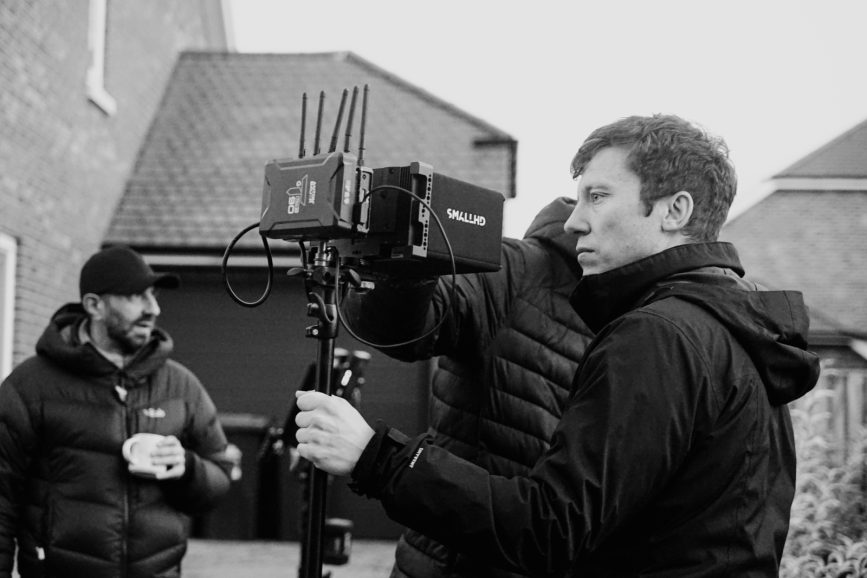
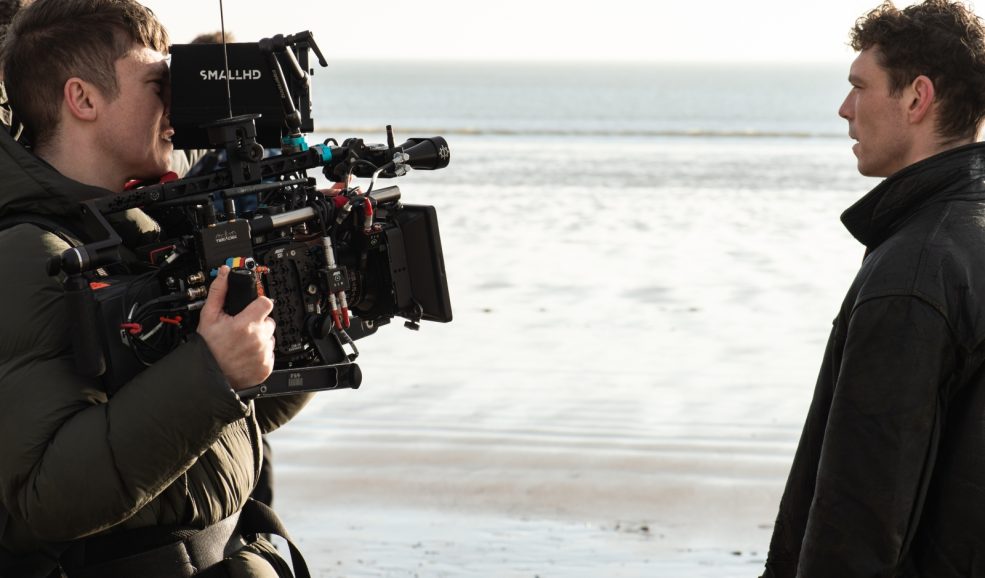
My Small HD Cine 7 monitor and iPad for prep.
Which film would you love to have shot?
Back to the Future (Cin: Dean Cundey ASC CSC). It’s my childhood favourite, a crowd-pleaser that still holds up.
Productions you’re most proud to have lensed and why?
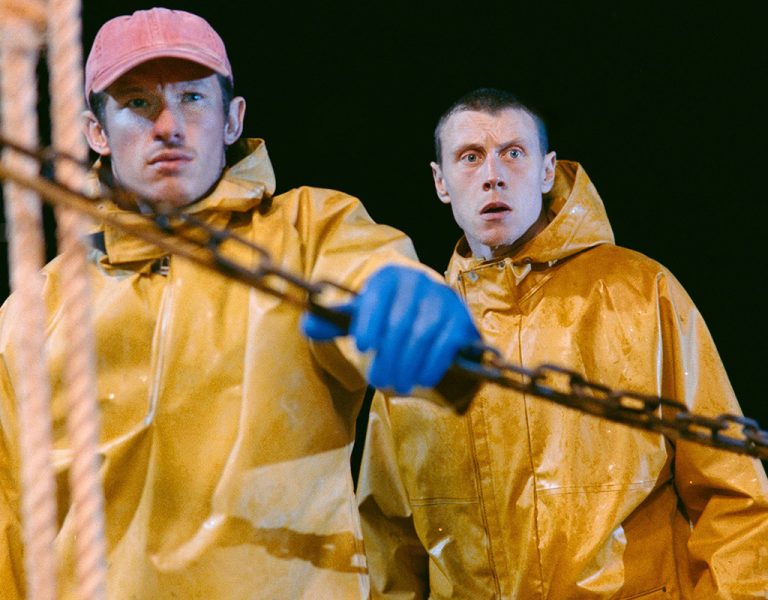
I’m proud of The Trap. It started as a short nominated for a BAFTA and turned into a feature. Working with Lena Headey again was a pleasure and I had a brilliant crew supporting me.
What’s the best and worst thing about your job?
The best is the people. A collaborative, supportive and creative team is something to cherish.
The worst is the uncertainty about where you’ll be next month, which is tricky with a family.
How would you describe your approach to cinematography?
I’m versatile, shooting a wide range of projects. My approach focuses on perspective — the characters, story and what the audience should see and feel. This influences composition, lens choice, camera distance and movement and lighting tone. Sometimes less is more — a well-composed locked-off shot can be better than a complex gimbal shot that shows off skills but doesn’t serve the story.
What are your aspirations for the future?
I want to build on my indie film experience and shoot bigger budget movies that screen worldwide.
What do you think are the industry’s biggest challenges?
AI advancements are huge; it will be interesting to see how they’re used. The concern is not just filmmaking, but the wider society where truth is already warped by social media. Experienced crews help directors capture unplanned special moments — happy accidents computers can’t replicate.