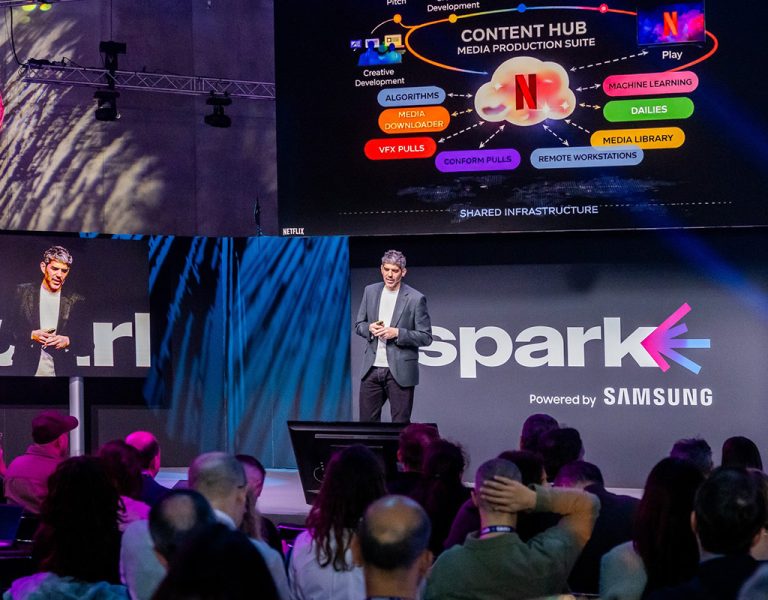


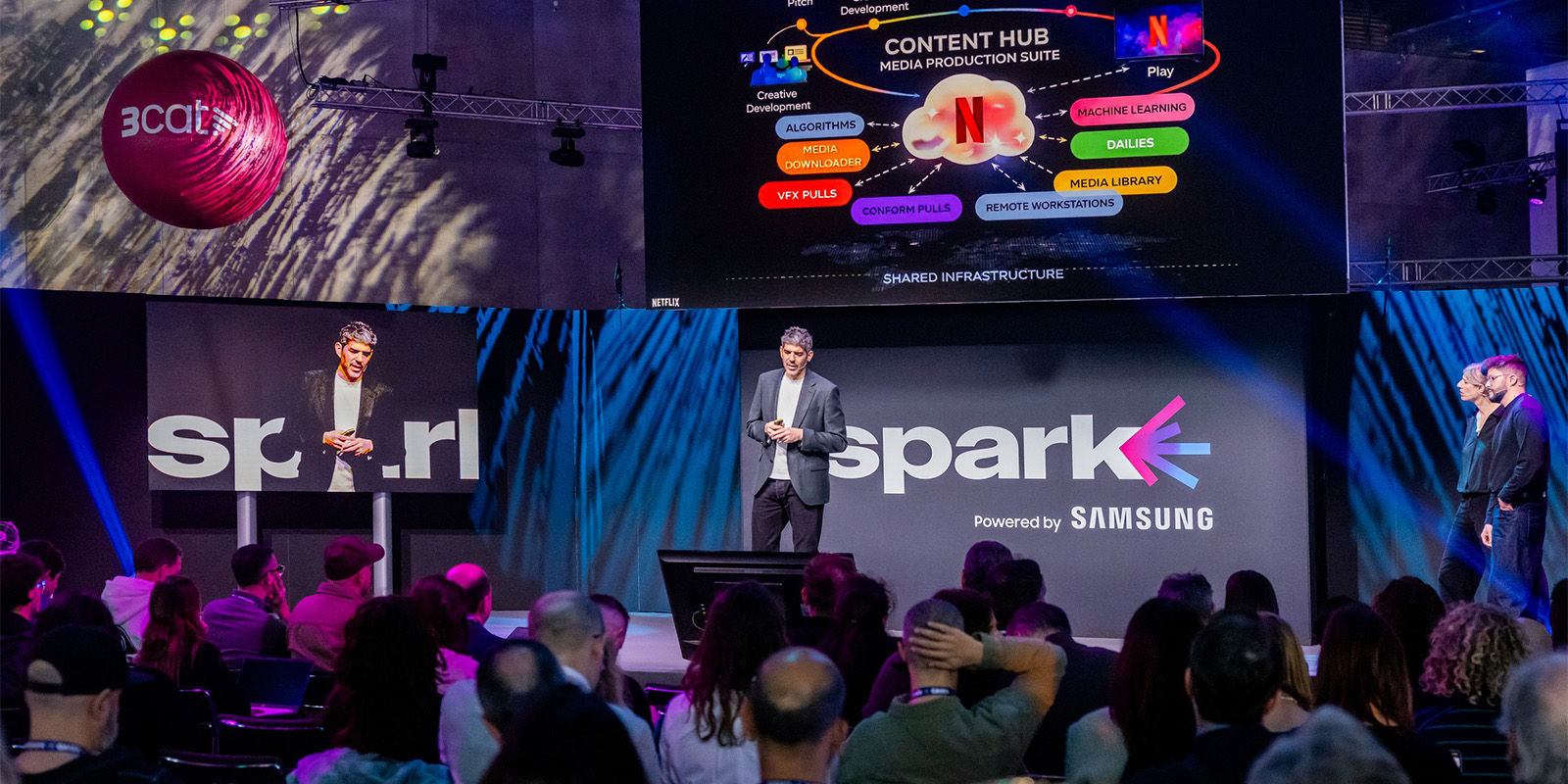
Spark 2026, powered by Samsung, launched at Integrated Systems Europe as a new event designed to “connect the creative and production communities shaping the future of content and immersive experiences”.
Creators, brands, broadcasters, agencies, in-house teams and production innovators came together to explore creative practices and how modern content is designed and produced across live, filmed and immersive experiences.
“Taking place in Hall 8.1 of Fira Gran Via, Spark featured four high-impact partner activations, 30 content sessions and 63 speakers, including keynotes from Jordan Schwarzenberger, Netflix and 0207 Def Jam,” organisers said.
“Launched by ISE in response to accelerating market convergences and the rapid expansion of creative-technology sectors, Spark connected the people shaping how content is conceived, commissioned and produced across broadcast, live experiences, immersive media and corporate communications.
“Spark showcased emerging creative formats while also bringing creative, production and technology teams together earlier in the process, creating space for new ideas, workflows and production models to emerge before they reach the mainstream.”
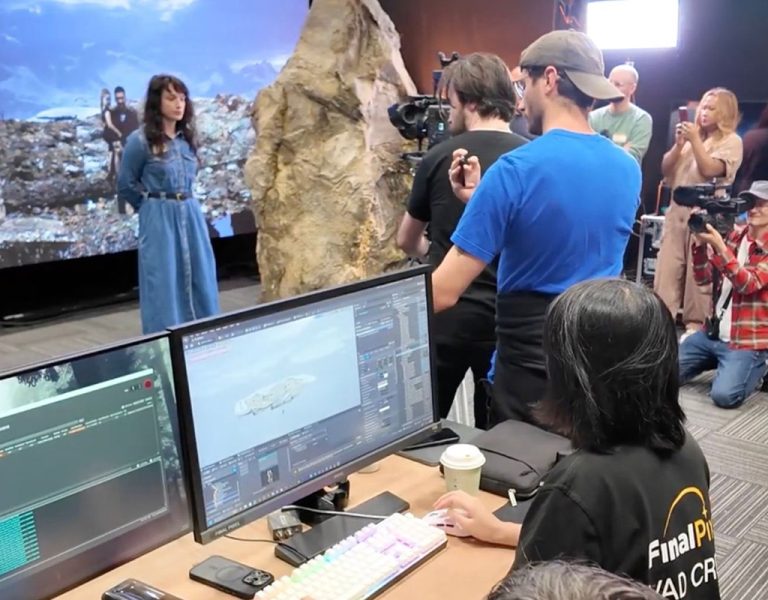
Headline sponsor Samsung showcased The Wall for Virtual Production (IVC Series), offering a “hands-on window into next-generation production environments and the evolving language of virtual storytelling”.
Mark Taylor, head of vertical markets at Samsung Display Solutions, Europe, said: “What’s exciting about Spark is bringing together different manufacturers, speakers and end users to really show what’s happening in the broadcast space right now and where it’s going next.
“There were great talks across all four days, including discussions around the future of virtual broadcast, and that convergence trend is only going to continue.
“For us, meeting new end users and having those conversations is one of the main reasons we come to shows like this.”
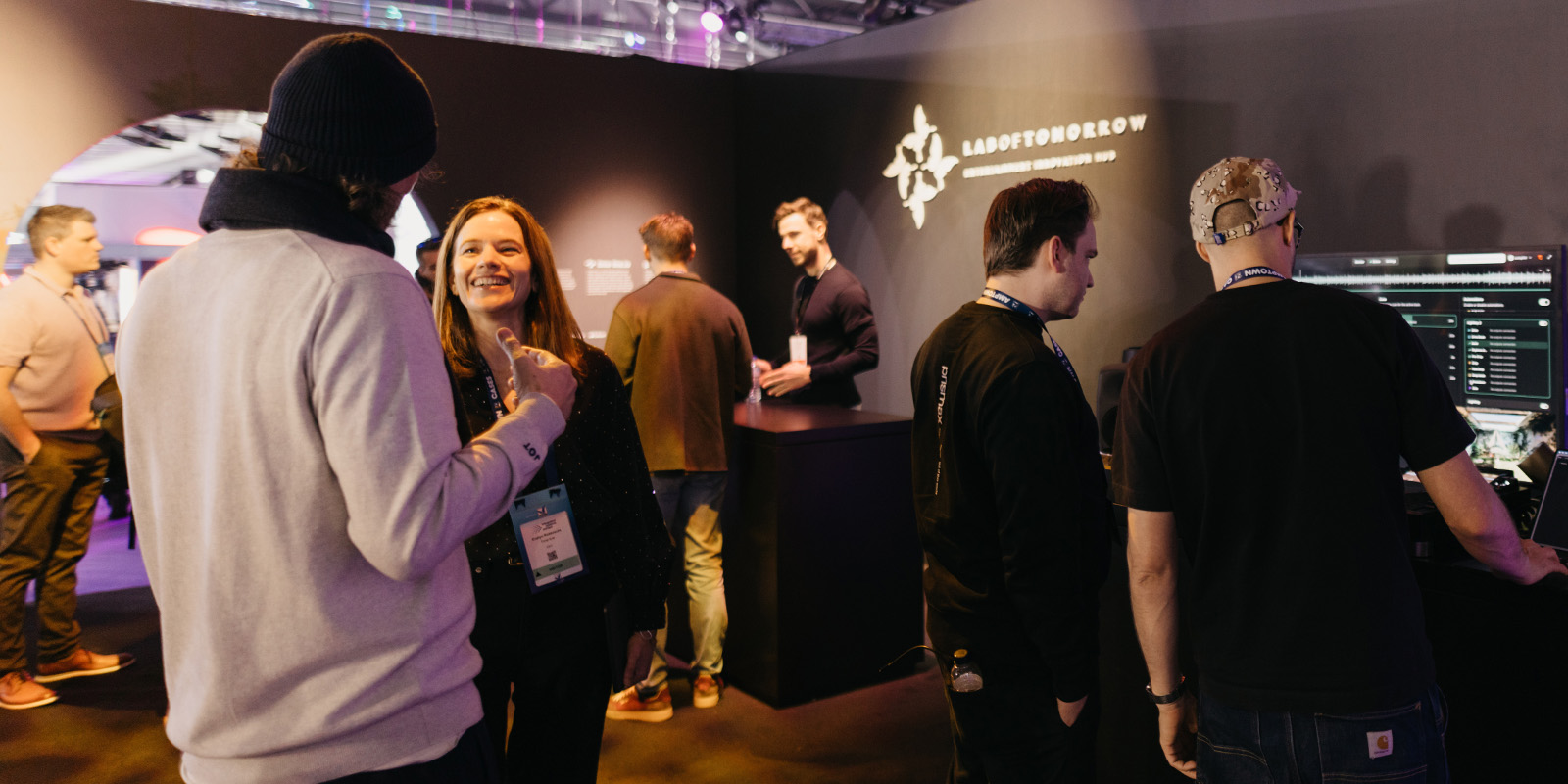
Alongside Samsung, MoSys, 3Cat and Lab of Tomorrow delivered a series of immersive installations and live demonstrations that translated emerging production capabilities into working environments.
Lab of Tomorrow’s Floating Sky installation “expanded the creative possibilities of live experience design”, while 3Cat’s interactive three-screen cube, inspired by Manairons, “transformed a gaming narrative into a physical in-person experience”.
MoSys presented its “Mostudio” solution on Samsung’s The Wall LED technology, demonstrating how their democratised, automated studio workflows are “reshaping production possibilities”, placing virtual production in the hands of non-technical creators.
Together, these installations “highlighted a clear shift”, Spark said: production technology is no longer just enabling creativity; it is actively reshaping it.
Tobi Tungl, chief marketing officer at CTI, said: “Spark felt like such a natural way to show up at ISE.
“Being part of the speaker session programme gave us a chance to connect directly with people in the room. It made it easy to be part of the conversation in a way that felt approachable and direct.”
Joris Himpens, general manager at Lab of Tomorrow, added: “Spark creates a powerful platform where emerging technologies meet the creative community that brings them to life.
“For Lab of Tomorrow and our members, it was an inspiring environment to exchange ideas with innovators, brands and creators who are all exploring how technology can redefine the future of entertainment.”
Across four days, Spark “became a meeting point for creative and technical leaders redefining how modern experiences are produced, distributed and consumed”.
The inaugural edition reportedly confirmed strong demand for a platform that brings creativity, content production and technology together earlier in the process, enabling collaboration before formats reach the mainstream.
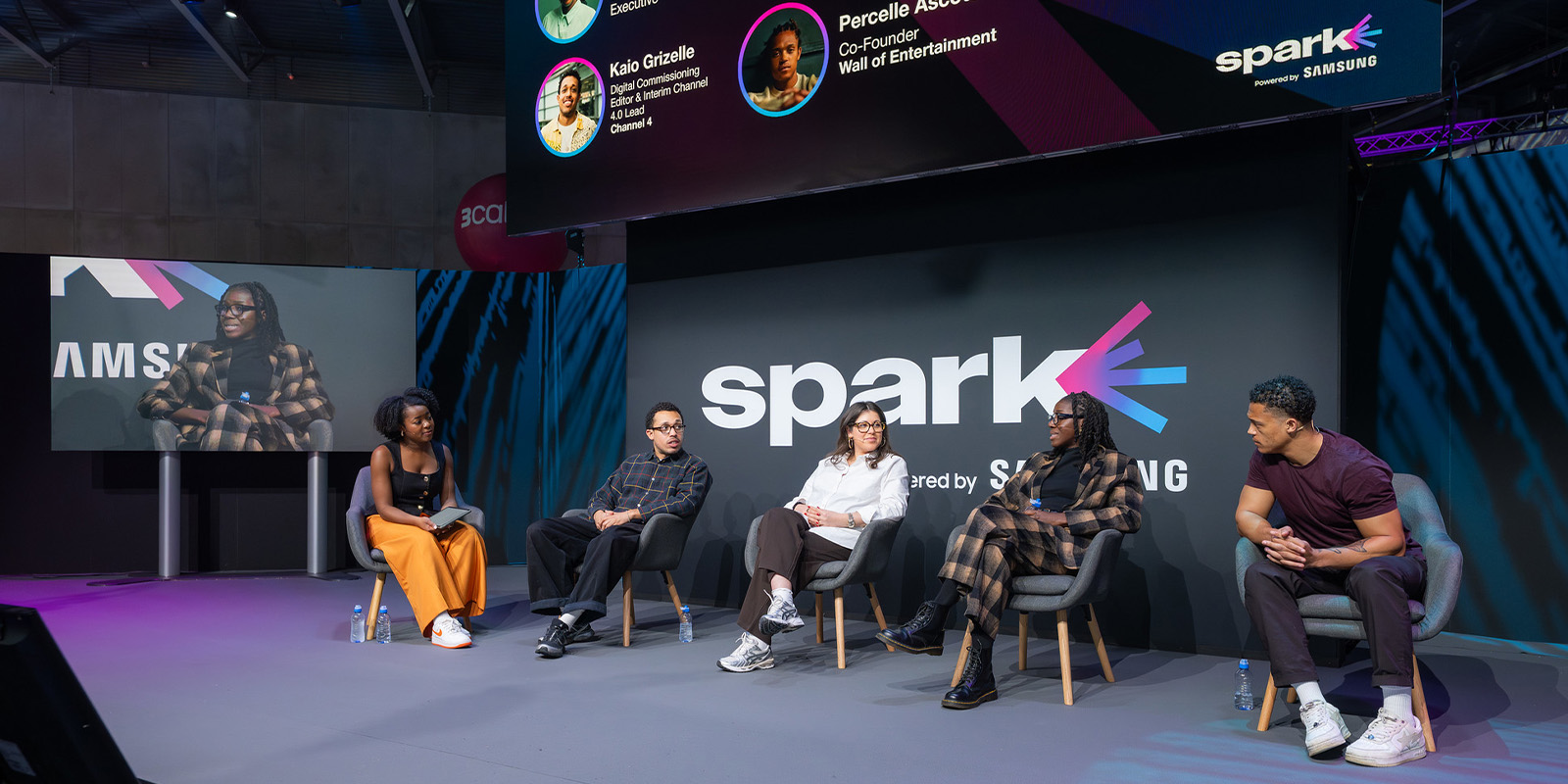
Discussions explored the impact of AI, virtual production, immersive media and evolving workflows on how content is conceived, commissioned and delivered, positioning these developments as part of an integrated production system rather than standalone tools.
Alongside its industry role, Spark also contributes to talent development. Aligned with the ISE Foundation pillars, it connects emerging talent with companies across the AV and creative technology ecosystem, creating early exposure to real-world workflows, technologies and industry expectations.
Mike Blackman, managing director of Integrated Systems Events, said: “Spark proved there is clear demand for a space where creative industries and production technology meet earlier in the production lifecycle, where formats are defined, commissioning decisions are shaped, and production models are established.”
Following its successful launch, Spark is scaling up for 2027, moving to the Fira Montjuïc venue to “meet growing demand and unlock a broader, more ambitious programme”.
The move will support a broader content programme, larger-scale installations, increased participation and more immersive experience-led formats.
“Spark 2026 reflected a major industry shift: the growing convergence of creative production, technology infrastructure and immersive experience design,” Spark concluded.
“As these worlds continue to align, Spark is creating a space where creators, technologists, brands and production specialists can shape new ideas, build partnerships and define the future of content experiences together.”
Spark enters its next chapter on 3-4 February 2027 at Fira de Barcelona, Montjuïc.