

CRAFTING A RESERVED, CINEMATIC PALETTE
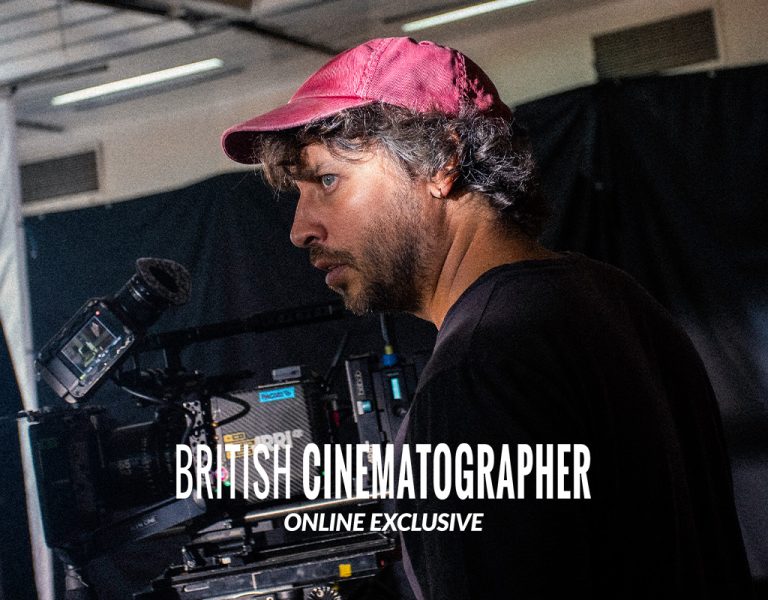
For cinematographer Debojeet Ray, Kesari Chapter 2 was less about revisiting history and more about how to visually inhabit it.
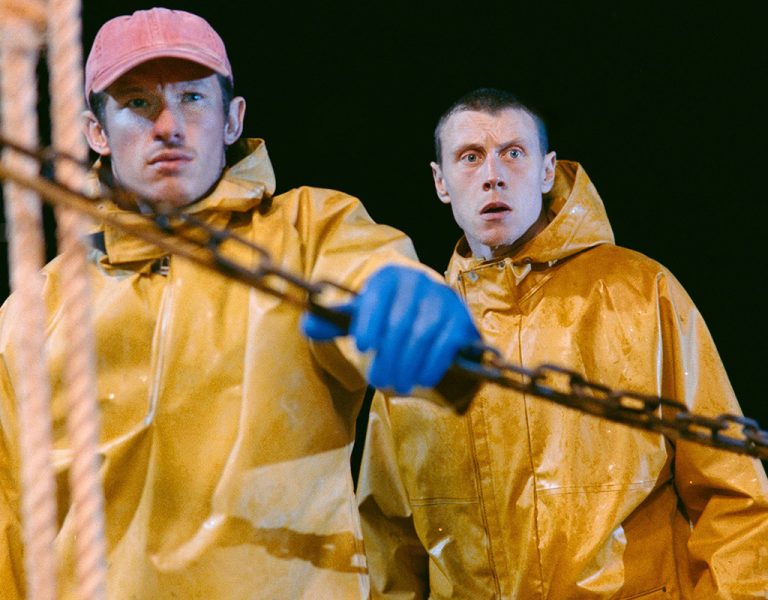
While the film follows the legal battle of Chettur Sankaran Nair in the aftermath of the Jallianwala Bagh massacre, Ray’s focus was clear from the outset: this wasn’t to be another sepia-toned exercise in nostalgia. Instead, working closely with director Karan Singh Tyagi and senior colourist Tushar Desai at FutureWorks, Ray crafted a look that would balance restraint with emotional weight, delivering a period film that feels as tactile as it does contemporary.
“I’ve always been drawn to period stories that avoid excessive romanticism,” Ray shares. “Karan wanted something modern but rooted in historical textures. That contradiction became our guiding principle throughout production.”
Ray’s lens of choice was the Hawk V-Lite anamorphic set, supplied through FutureWorks camera rental services, paired with the Sony Venice. “I was looking for glass that could give me the kind of imperfections we typically try to avoid, such as barrel distortion, exaggerated flares, and soft corners. These characteristics help the image breathe, particularly in a courtroom drama where you’re constantly wrestling between realism and cinematics.” The Venice’s sensor offered the resolution and dynamic range necessary to support the film’s VFX-heavy sequences while giving Ray latitude in post to shape the final look.
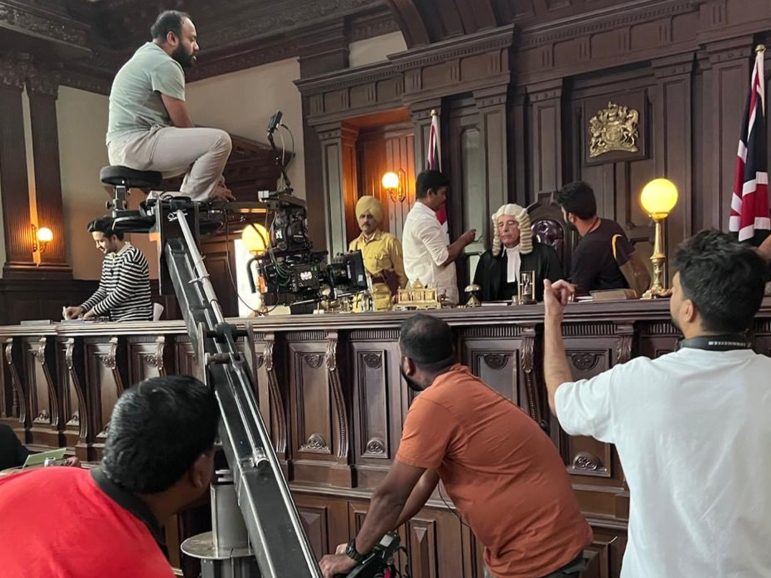
From the outset, Ray collaborated extensively with FutureWorks not just on the camera package but across VFX, DI, and colour management. “FutureWorks are more than just service providers to me, they’re collaborators. They bring a depth of expertise and flexibility that makes my job easier, especially on a project where so many departments had to intersect creatively.”
With over 2,000 VFX shots delivered by FutureWorks, ranging from the digital recreation of Jallianwala Bagh to CG crowd extensions and green-screen set builds, Ray’s imagery needed to remain robust through a demanding pipeline. HDRI capture, LIDAR scanning, and meticulous reference photography ensured lighting continuity and photorealistic integration across practical and digital elements. “My philosophy on VFX has always been simple: the best work is invisible. Vinay Chuphal and the team at FutureWorks understood that intuitively. They respected the integrity of what we captured on camera.”
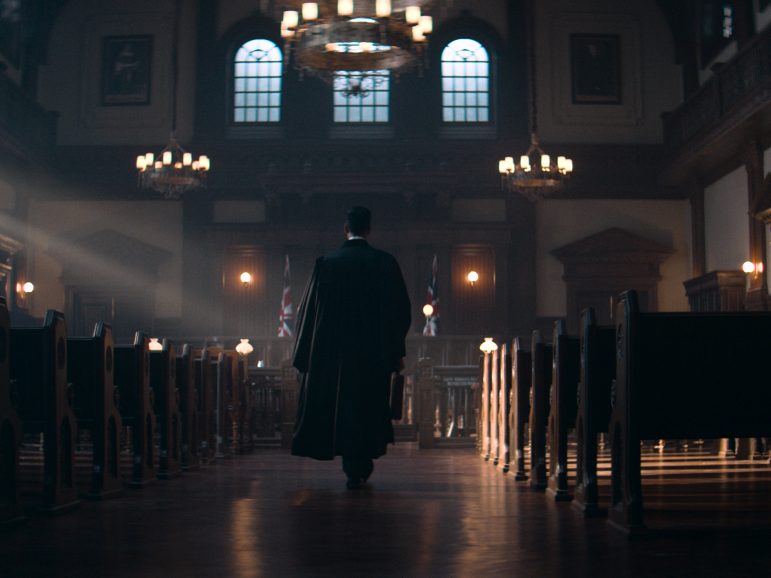
In colour, Ray and Desai aligned on a visual trajectory that mirrored the narrative’s emotional arc. Starting with cooler, desaturated shadows and a restrained palette, the grade gradually evolved, intensifying the coldness through the courtroom sequences before transitioning to a striking warmth in the film’s denouement. “We wanted the audience to feel the shift without being overtly conscious of it,” Ray explains. “Tushar’s work in the DI was instrumental in achieving that subtlety.”
Desai chose to grade within FilmLight’s T-Log pipeline, opting it over the more universal ACES workflow in favour of greater flexibility. This was critical given the interplay between DI and VFX, and the multiple deliverables required (theatrical P3, Dolby Vision HDR, and SDR). Working in Baselight, Desai utilised xGrade for broader tonal shaping and machine-learning face tracking for precision adjustments, ensuring skin tones remained natural and consistent throughout.
Throughout the shoot, Ray maintained an open channel with Desai, sharing raw frames and early assemblies to ensure continuity of vision. “We tested extensively before production; how the lenses handled flare, how the Venice responded to our lighting strategies, how the pipeline would behave once VFX were folded in. That prep paid dividends in post.”
Nowhere was this rigor more evident than in the film’s pivotal Jallianwala Bagh sequence. Shot over several days but intended to unfold as a continuous moment, Ray’s careful control of light, texture, and camera movement laid the foundation for a seamless grade. “It’s a scene loaded with historical and emotional weight. We stripped away anything that felt like cinematic flourish. The visual approach had to feel immediate, almost documentary-like, but still hold the dignity the subject demands.”
The courtroom sequences presented their own complexities. Spanning seven distinct locations, each required differentiation without disrupting the film’s unified aesthetic. “We varied subtly – the temperature, the texture of the light, the level of contrast—to cue the viewer to shifts in geography and time. But we never wanted those shifts to announce themselves.”
Ultimately, Kesari Chapter 2 is a film whose visual identity was shaped as much in post as it was on set. For Ray, the success of the process speaks to the strength of collaboration. “What you see on screen is the result of a lot of people pulling in the same direction – FutureWorks across DI, VFX, and Rental; Tushar’s eye in the colour suite; Karan’s clarity of vision. My role was to make sure the camera served that vision every step of the way.”