

 ARRI has introduced the NIA-1 Network Interface Adapter, a compact new device designed to bridge the gap between traditional camera and lens control systems and modern IP network workflows. By adding ethernet connectivity to the ARRI Electronic Control System (ECS), the NIA-1 allows for flexible, low-latency remote operation of both ARRI and third-party camera systems across a wide range of production environments—from narrative cinematography to live broadcast and multi-camera setups.
The NIA-1 opens up robust remote control possibilities via IP networks, enabling users to operate ECS tools like the Hi-5 hand unit from virtually anywhere with near-zero delay. This plug-and-play solution supports versatile deployment in both cine and broadcast applications and is designed to extend the functionality of ARRI’s Camera Stabiliser System (CSS) products and Electronic Control System accessories.
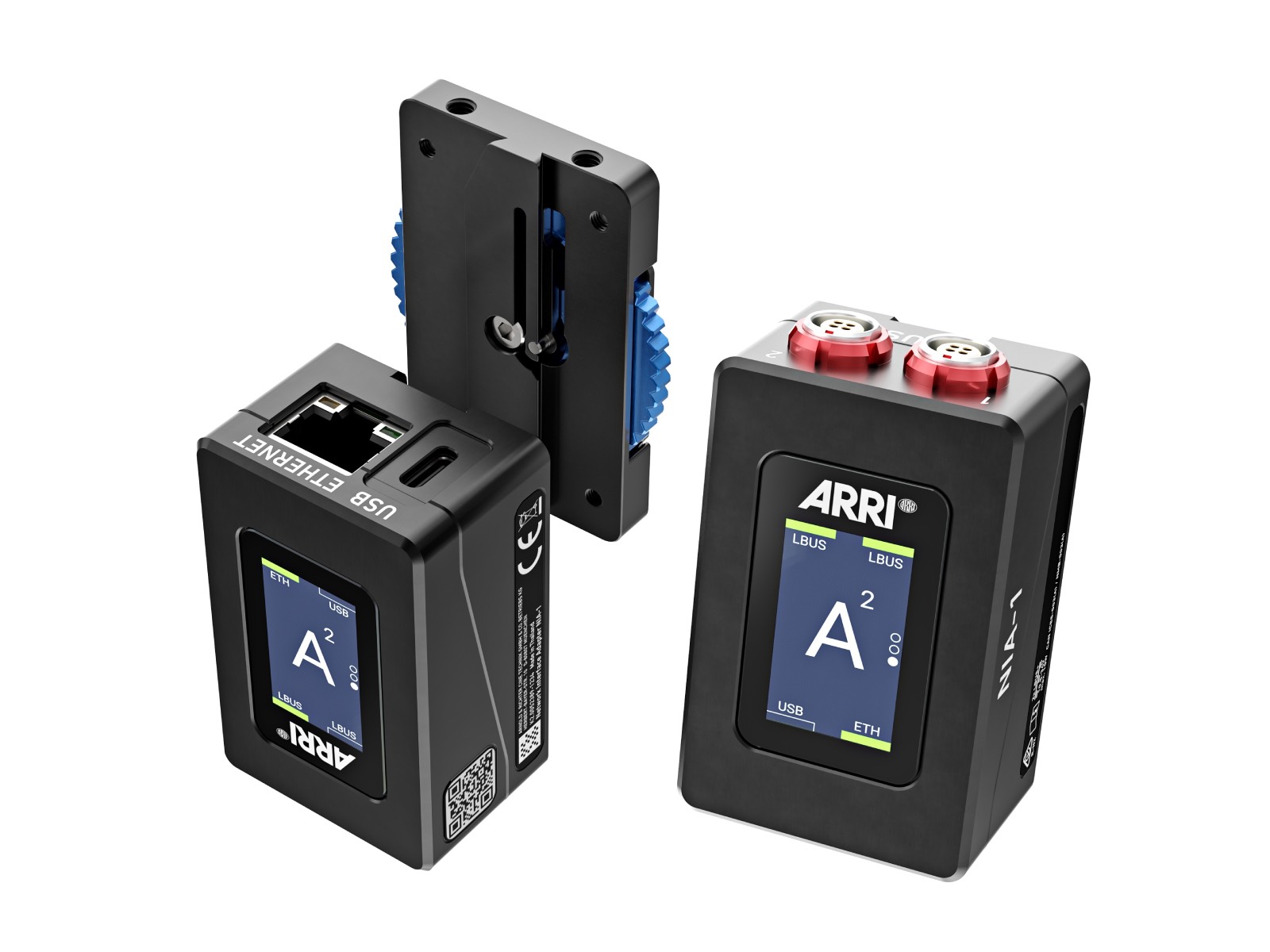
Housed in a compact chassis, the NIA-1 features LBUS, ethernet, and USB-C ports, all of which are clearly monitored via a built-in touchscreen. The unit also supports web-based control, allowing any connected device on the same network to adjust its settings. A key innovation is ARRI’s new “network channels” system—a simplified IP configuration method where users assign devices a shared letter (e.g., ‘A’ for A-camera) to auto-establish network connections. Manual IP configuration remains available for more advanced needs.
With compatibility for third-party cameras including the Blackmagic URSA Cine and Sony Burano at launch, the NIA-1 is poised to streamline camera control workflows. Licenses for supported models can be purchased similarly to existing Hi-5 options. Support for Sony Venice will follow in the adapter’s first software update, further expanding ARRI’s reach into non-native camera ecosystems.
Unlike previous systems that relied on bespoke cables with limited functionality, the NIA-1 allows for full camera and lens control over ethernet. Users can mount it directly to a camera using the rugged new Rotary Release Adapter RRA-1, which features an all-metal build and quick-release dovetail.
Designed with production flexibility in mind, the NIA-1 is ideal for applications like underwater filming, crane-mounted shots, and remote robotics. For example, a submerged camera fitted with a NIA-1 can connect via ethernet to a surface NIA-1 and RIA-1, enabling a focus puller to use a Hi-5 hand unit untethered from the action. On crane or motion control setups, a single ethernet line replaces radio signals, ensuring more reliable, low-latency performance.
Live production also stands to benefit. The NIA-1 pairs seamlessly with ARRI’s ALEXA 35 Live – Multicam System, leveraging its built-in secondary ethernet tunnel for smooth integration with ARRI’s LPS-1 lens power supply. The result is centralised, real-time control of camera and lens functions across large-scale broadcast environments. Compatibility with CSS tools such as the 360 EVO stabilized remote head adds further value, creating an end-to-end IP control system.
For VFX, virtual production, and multi-camera configurations, the NIA-1’s capabilities shine. Whether used in stereo 3D rigs, infrared beam-splitters, or VFX array plates, the adapter enables precise synchronisation of lens motors and camera functions—even across different focal lengths or lens types.
Recognising the growing importance of IP in modern cinematography and broadcasting, ARRI is inviting third-party manufacturers to integrate ECS compatibility into their products. From virtual production platforms to motion control robotics, the expanded ARRI Partner Program aims to broaden the ecosystem of tools that can benefit from NIA-1 connectivity.
The ARRI NIA-1 is expected to ship shortly, with licenses and compatibility updates to follow. Its release represents a strategic step in ARRI’s ongoing push to support cutting-edge digital workflows while preserving the reliability and precision professionals have come to expect from its ECS and CSS product lines.