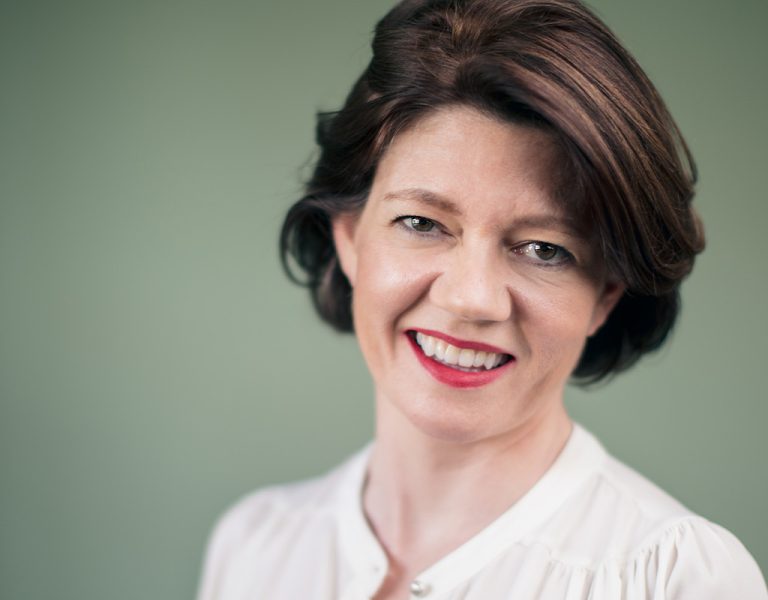


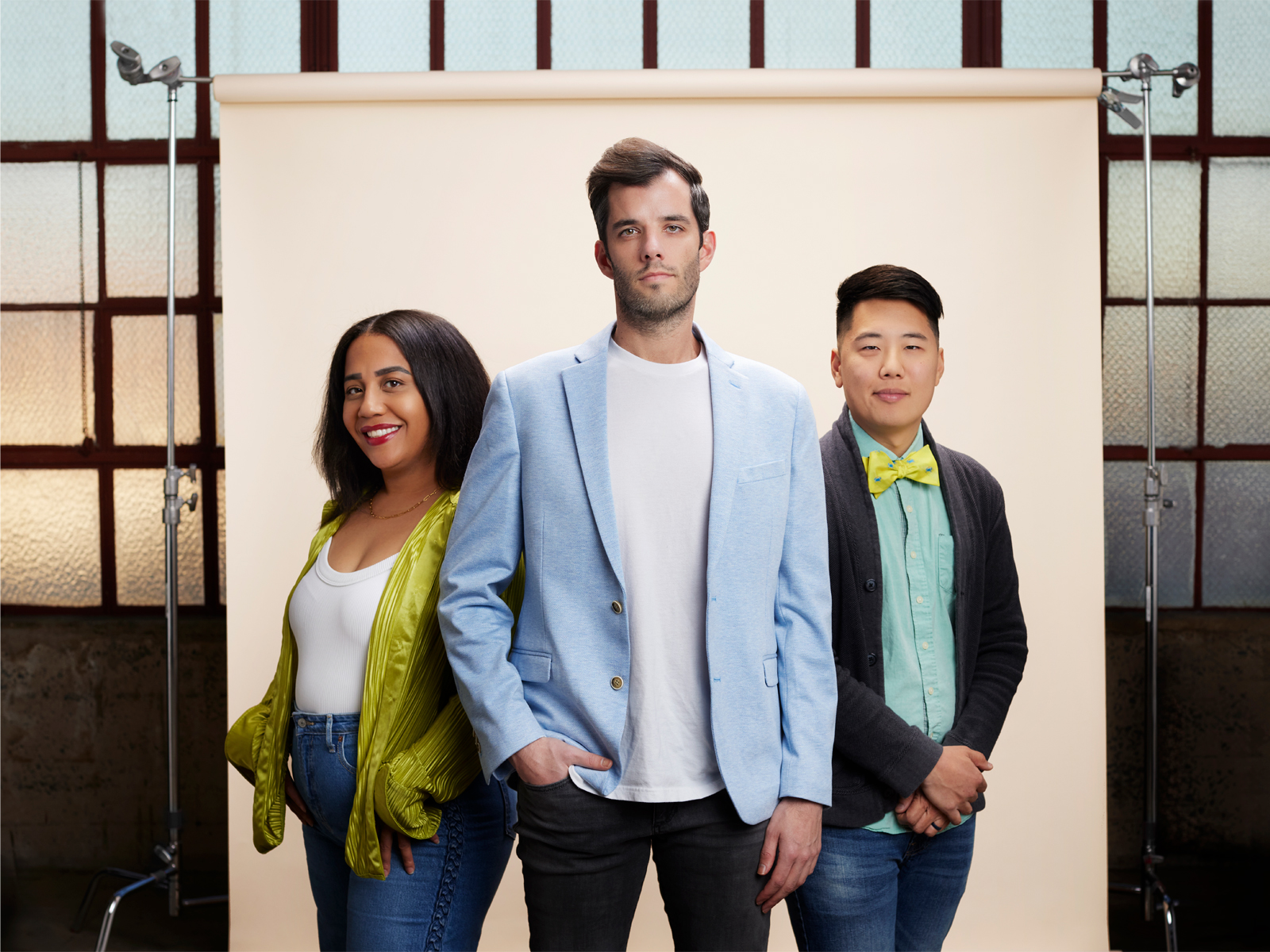
Founded in 2021 by Andrew Toth, Above Below the Line (ABL) Agency is the first US talent agency dedicated solely to below-the-line professionals. Here, he shares expert tips on filmmaking, drawing from over 14 years of hands-on production experience and his work guiding crew members across all departments.
BC: Starting in the camera world, which cameras and lenses did you use and why? What do you recommend now?
AT: My career in the film industry began during my time at Arizona State University. I secured an internship on a feature film shooting in Arizona, working in the camera department. This experience coincided with the industry shift and adoption of digital cinema cameras, specifically the RED ONE. Recognising the significance of this shift, I dedicated myself to learning the specs and details of this new technology in this specific camera, knowing that was what they would be shooting with.
On set, I observed that many of the ACs and camera team members came from a film background and were less familiar with the RED ONE. I offered assistance and answered their questions, which led to a promotion from intern to Camera PA. This experience solidified my passion for this field.
Throughout my career, I’ve worked with a wide range of camera equipment, starting with a 5D Mark II and Canon 7D and progressing to 16mm with Arri 416 cameras, RED cameras, Arri Alexa, Canon, and Sony camera systems. My familiarity with RED cameras, particularly through owning one, made them my preferred choice for many years. In terms of lenses, my go-to options were Zeiss, Cooke, and Canon FDS, which consistently delivered exceptional results.
In addition to shooting and production roles, I’ve also worked in camera rentals for several years. This experience has exposed me to a wide array of gear, clients, and productions. It has provided insights into the diverse perspectives and personalities of DPs and their unique approaches to creating a visual style. My personal favorite camera system is an Alexa Mini LF paired with Canon K-35 or Canon FD lenses, which produces amazing aberrations, stunning skin tones and distinctive flares.
My experience across various roles within the camera department and production has given me a comprehensive understanding of the film industry and on-set dynamics. As a below-the-line agent, this knowledge allows me to connect with and effectively represent my clients, particularly Cinematographers, ACs, Camera Operators, and photographers.
BC: Which lightning equipment did you use and why? What do you recommend now?
AT: Lighting equipment wasn’t really my expertise when shooting. In the past, I have used KinoFlo Lighting systems, Mole Richardsson lights, LED panels, HMI’s and the basic trio Arri lighting kits a lot. Currently, I have been learning a lot about Aputure Lighting Systems and getting to know that company.
Although I wasn’t as fluent in lighting as in a camera, I have always respected DP’s, Gaffers and lighting designers for so many reasons. They are, in many ways, the unsung heroes whose contributions make the magic of cinema possible.
At the heart of a film’s mood and atmosphere lies the lighting. It’s not just about illuminating the scene; it’s about setting the tone, enhancing emotions, and directing the audience’s focus. Gaffers are the masterminds behind this art. This involves not only the technical aspects of light placement but also an intricate understanding of the visual language of the film. Whether it’s a subtle, soft glow on a character’s face to create an intimate moment or harsh, dramatic shadows to heighten tension, the gaffer has the delicate task of transforming the vision of the director and cinematographer into a visually compelling reality.
The gaffer’s role extends beyond simply setting up lights. They must understand how light interacts with different environments, materials, and textures. The positioning of each light source can affect how actors appear on camera, how the scene’s mood is conveyed, and even how the audience interprets the narrative. Without the skill of the gaffer, scenes could look flat, underwhelming, or fail to evoke the intended emotions. A well-lit scene can breathe life into a film, making it resonate with audiences long after the credits roll.
Perhaps most remarkable is the gaffer’s ability to work under pressure. Film sets are fast-paced environments where time is precious, and every minute of a shooting day counts. The gaffer, along with their team, must set up and adjust lights quickly while maintaining a high standard of precision. Lighting setups can be incredibly complex, requiring the gaffer to anticipate challenges, find creative solutions, and adapt to the ever-changing demands of the production. Their ability to troubleshoot on the fly ensures that the filmmaking process continues smoothly, allowing the director and cinematographer to focus on their craft.
BC: What has been your biggest challenge in your career and how did you overcome it?
AT: Life within the film industry is a journey filled with ups and downs, but with persistence and adaptability, it can lead to greater opportunities or even opportunities you never thought of. In freelance life in film, we often face uncertain work schedules, inconsistent income, and the pressure to constantly network and find new projects. After many years of trying to make it work, it got to the point that I was not able to live in Los Angeles and continue in the same work mode. I knew I wanted to work in the industry and live in LA, so I had to shift my mindset.
Many freelancers and crew members must be proactive in seeking work, whether through direct outreach, online platforms, or word-of-mouth referrals. Additionally, staying updated on industry trends and continuously improving one’s craft is vital in an ever-evolving field. Many of them also find success by cultivating a network of colleagues, mentors, and collaborators who can offer guidance, advice, and opportunities. So I got to work thinking outside the box, trying to figure out a way to help people and clients with the same issues that I was having.
After working as an assistant to many different production companies and then in the camera rental industry, I built up a client list and came up with the idea of a below-the-line crew agency.
This really drove me to start this agency quickly and the idea of creating a way to represent a vetted network of crew members and productions that can help build a trustworthy community who will connect for life and build their careers together.
BC: What was the biggest learning curve?
AT: The biggest learning curve for an agency representing crew members in the film industry is learning how to manage the complexity of each individual’s career while adapting to the ever-changing landscape of the industry. Understanding each crew member’s unique needs, building and maintaining relationships, navigating the evolving nature of film production, and negotiating fair contracts all require expertise, patience, and a deep commitment to both the crew and the industry. Successful agencies are those that can effectively manage these intricacies, fostering long-term growth for their clients while building a trusted reputation in the film world.
Starting a new below-the-line agency in the film industry is no small feat, especially when it comes to an even newer concept of representing the crew members on set. However, by focusing on strategy, networking efforts, and a deep understanding of the value of behind-the-scenes talent, a new agency can carve out meaning and success in this specific niche that has not been done before.
In an industry where the hard work of the crew often goes unnoticed, we are hoping our new agency can shine a well-deserved spotlight on the vital crew roles that make each film project come to life.
BC: What are you most proud of so far in your career and why?
AT: Looking back, I have immense pride in having built something from the ground up. What began as an idea to give voice to those working behind the scenes has evolved into a successful agency that now helps crew members grow their careers while elevating the films they work on. It’s incredibly fulfilling to see crew members’ hard work and expertise recognised, and it’s heartwarming to witness their careers flourish with opportunities we helped create.
I am proud not only of the agency we’ve built but of the hardworking individuals we represent—who make the impossible possible behind the scenes—and the long road that led us here. The future looks bright, and I can’t wait to see where this journey takes us next.
BC: How do you work with DPs to help them approach their next projects?
AT: Our agency specialiSes in assisting clients in securing regular work in Features, Television, Commercials, Music Videos, and Documentaries. We support their career growth through project opportunities and crew positions and even facilitate relocation to other state film industries if they choose to move. Our agency plays a pivotal role in opening doors, offering opportunities, and providing guidance, but ultimately, the clients still need to hustle and put in the hard work to truly succeed in the film industry.
Success in the film industry is a partnership, where the agency provides the platform and support, but the client’s talent, work ethic, and hustle ultimately determine their longevity and success. Agencies can only do so much—it’s the client’s passion and commitment that will keep them on the path to success.
We’re committed to fostering a healthy work-life balance through guidance and advice, and aim to build a trustworthy, long-lasting community with our clients. We are there when they need us. Above Below The Line (ABL) is not just another agency; it’s a community, and every position or person is meaningful. As our company grows, so do our clients.