
CAPITAL PUNISHMENT
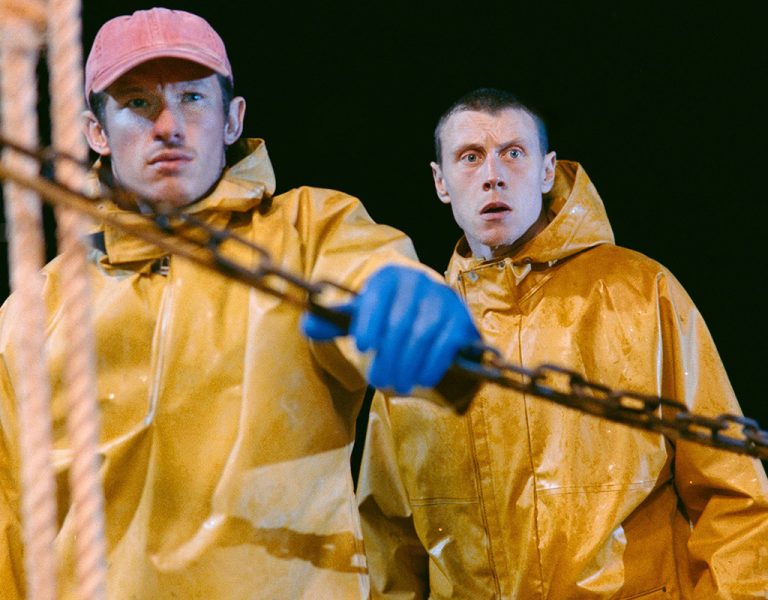
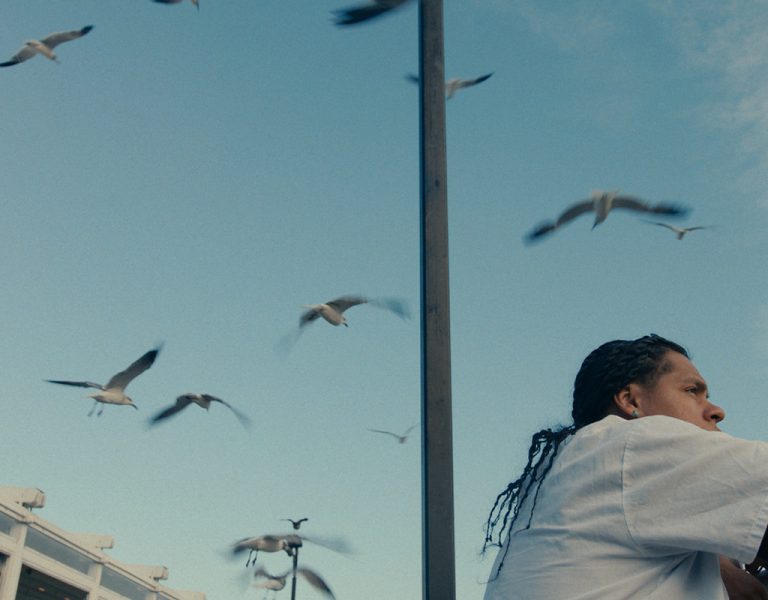
Stuart Bentley BSC captures Hamlet using the night and darkness to heighten the tension of this classic tale, with fast-moving, raw visuals that echo the protagonist’s emotional unravelling in London.
William Shakespeare’s name never goes out of fashion. Fresh from the success of Hamnet (2025), which earned Jessie Buckley an Oscar for her powerful performance as Agnes, the Bard’s legacy is once again making waves with Hamlet, regarded by many as his finest play.
In this contemporary adaptation of Hamlet, Riz Ahmed takes the eponymous role in a reimagining set across modern-day London, directed by Aneil Karia.
Granted, you know the story — but perhaps not this particular retelling.
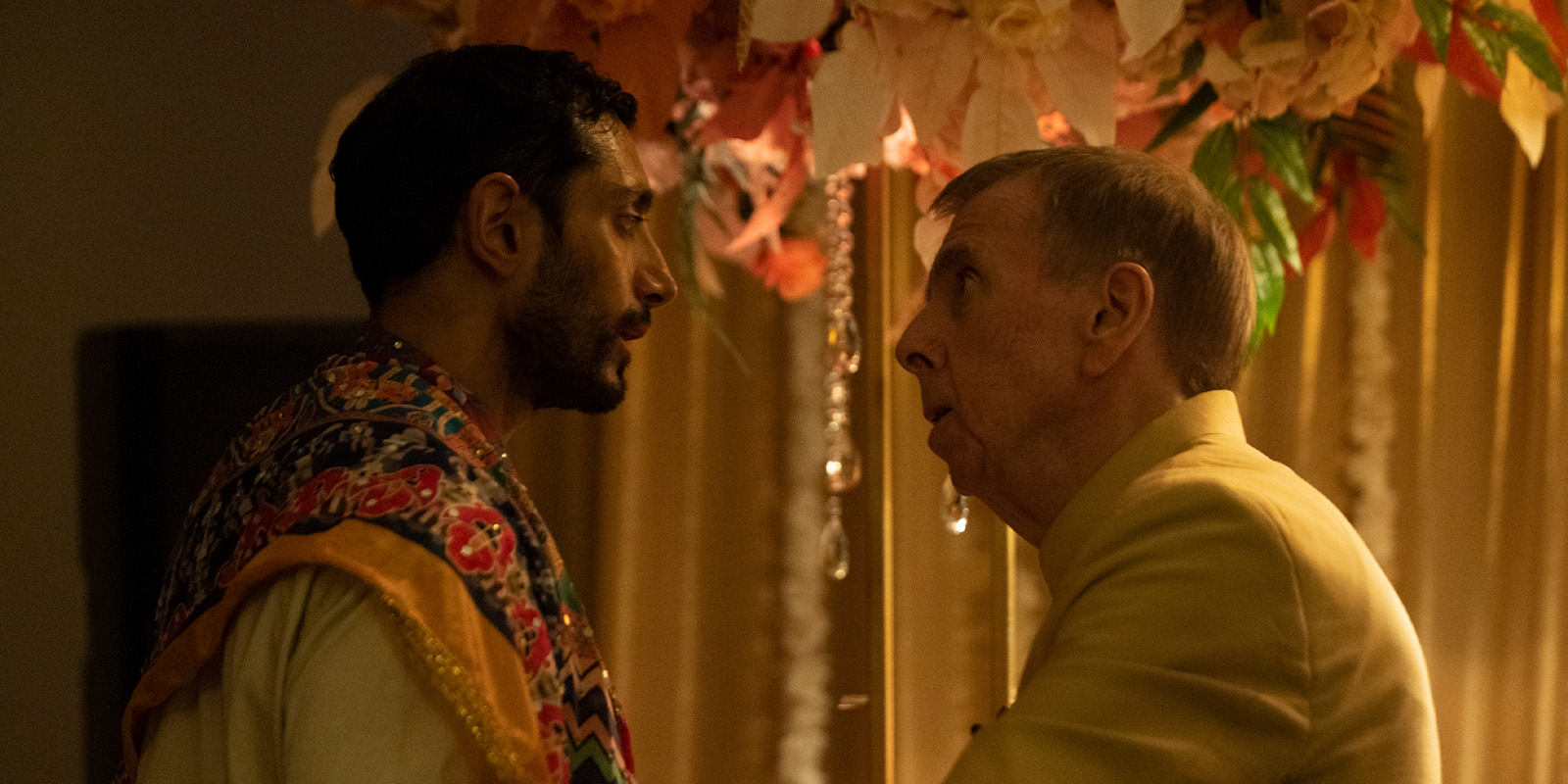
His father has been murdered by his own brother — Hamlet’s uncle, Claudius (Art Malik) — and that single act of betrayal sets everything in motion. Haunted by his father’s ghost, Hamlet is pulled from the privileged world he was born into and cast into the city’s stark underbelly, moving between elite circles, Hindu temples and homeless encampments as he closes in on the truth. But the closer he comes to justice, the more it slips from his grasp. His certainty splinters into doubt, and what began as a quest for revenge curdles into something far more unsettling — a reckoning not only with his family’s corruption, but with his own complicity in it. He wanted to know who killed his father. The harder question turns out to be who he himself is willing to become.
The shoot lasted about 28 days. Key locations included Meridian Grand — a large wedding and reception venue on the North Circular near Tottenham—where production spent roughly 10 days to two weeks and the Elsinore house in Surrey, used for another two weeks on and off. Everything else consisted of street locations and other spots scattered across London—north, south, east and west.
On the night shift
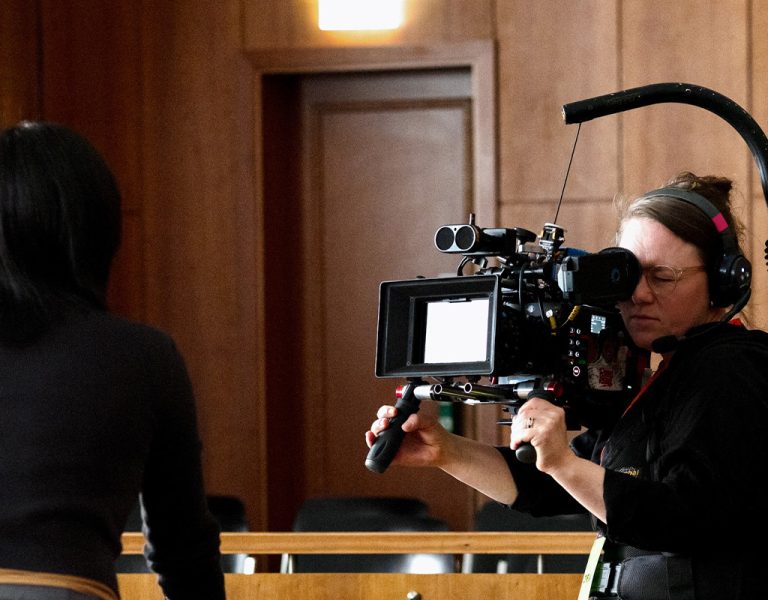
Stuart Bentley BSC (We Live in Time) had to think carefully about what kit was required for the shoot, as his choice was guided by the conditions under which filming would most often take place — the unpredictability of real locations, the need for speed and the demands of low-light environments — before opting for the ARRI Alexa 35, paired with a selection of prime lenses and extensive use of Angénieux Optimo zooms.
“The main logic was that much of the film is set at night,” he says. “We tested film and different digital formats in low-light situations to see how they would react to certain conditions. But the Alexa 35 just stood out for me — it is just so good at seeing in the dark. Not only that, but the way we shot was very much semi-improvised, with fluid blocking and staging. Keeping up with Riz was a challenge — we never really knew where he was going to go, so we couldn’t really pre-light anything. Because it was such a freeform approach, we couldn’t light the film in the traditional sense, and we quickly realised we needed something that performed well in low light.”
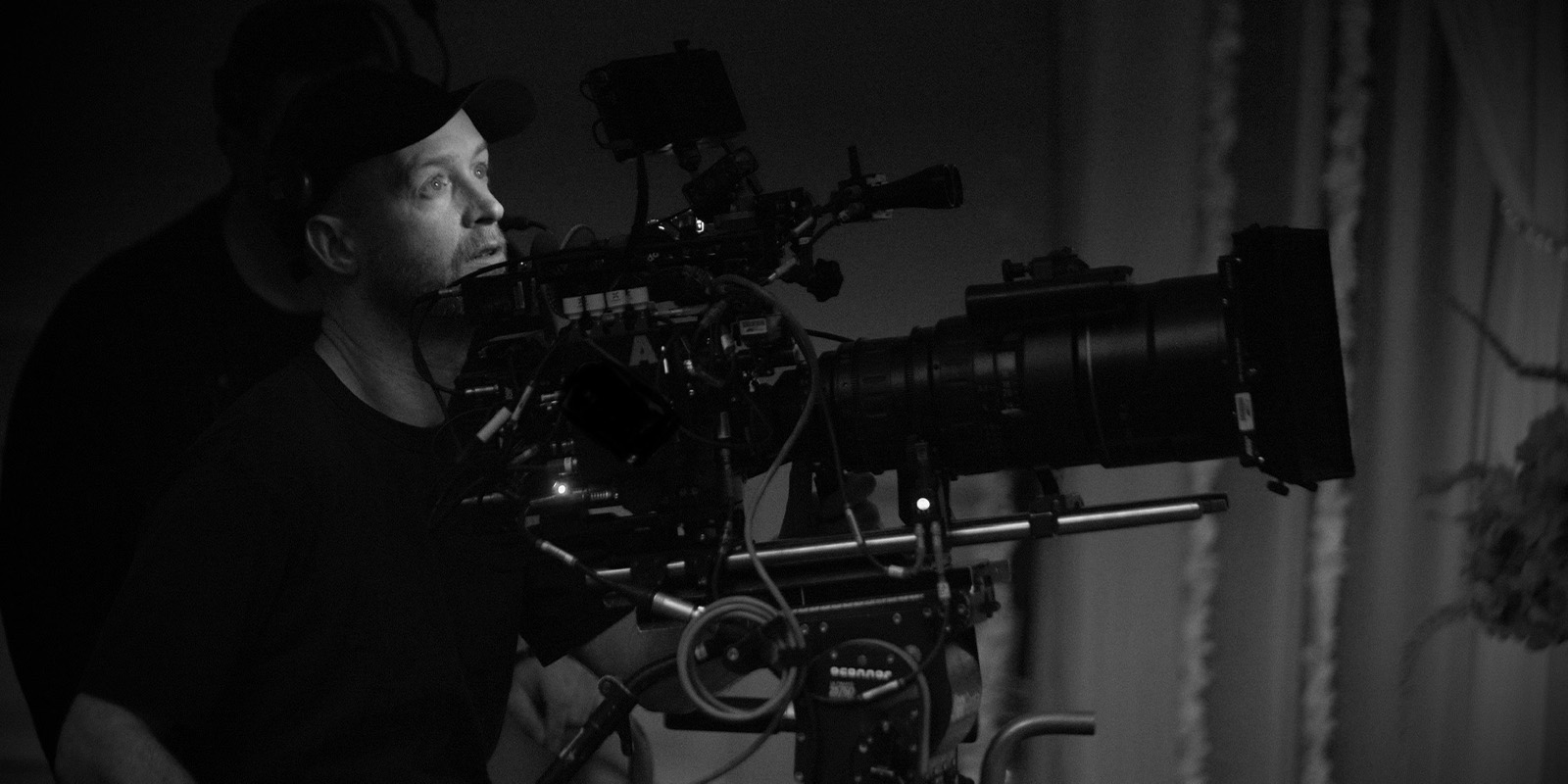
Furthermore, he says the production required a number of “very long, continuous takes — sometimes 30–40 minutes or longer — so we needed a camera that could handle that” and one that was lightweight enough for handheld work, too. “The Alexa is just such a versatile bit of kit. It works well for so many situations — I’ve always liked it for handheld work, it’s so well designed and reliable — and it very quickly became the leading choice,” he adds.
Of course, it wasn’t just the choice of camera and lenses that were important for the night shoots — the conditions that made those tools so essential also made lighting a key consideration, demanding an approach that could be both responsive and unobtrusive.
“So we relied heavily on practicals — either integrated directly into the sets or placed wherever we could fit them,” Bentley explains. “In many locations and sets, we installed our own controllable integrated lighting that we could adjust quickly from an iPad. Pretty much everything was LED-based. We rigged a lot of it back to a central desk for fast, easy control. We didn’t use much traditional lighting. It was almost entirely LED fixtures and practicals. We regularly worked with Astera tubes, LiteMats, Vortex lights, and Rosco Dash kits for scenes in cars etc.
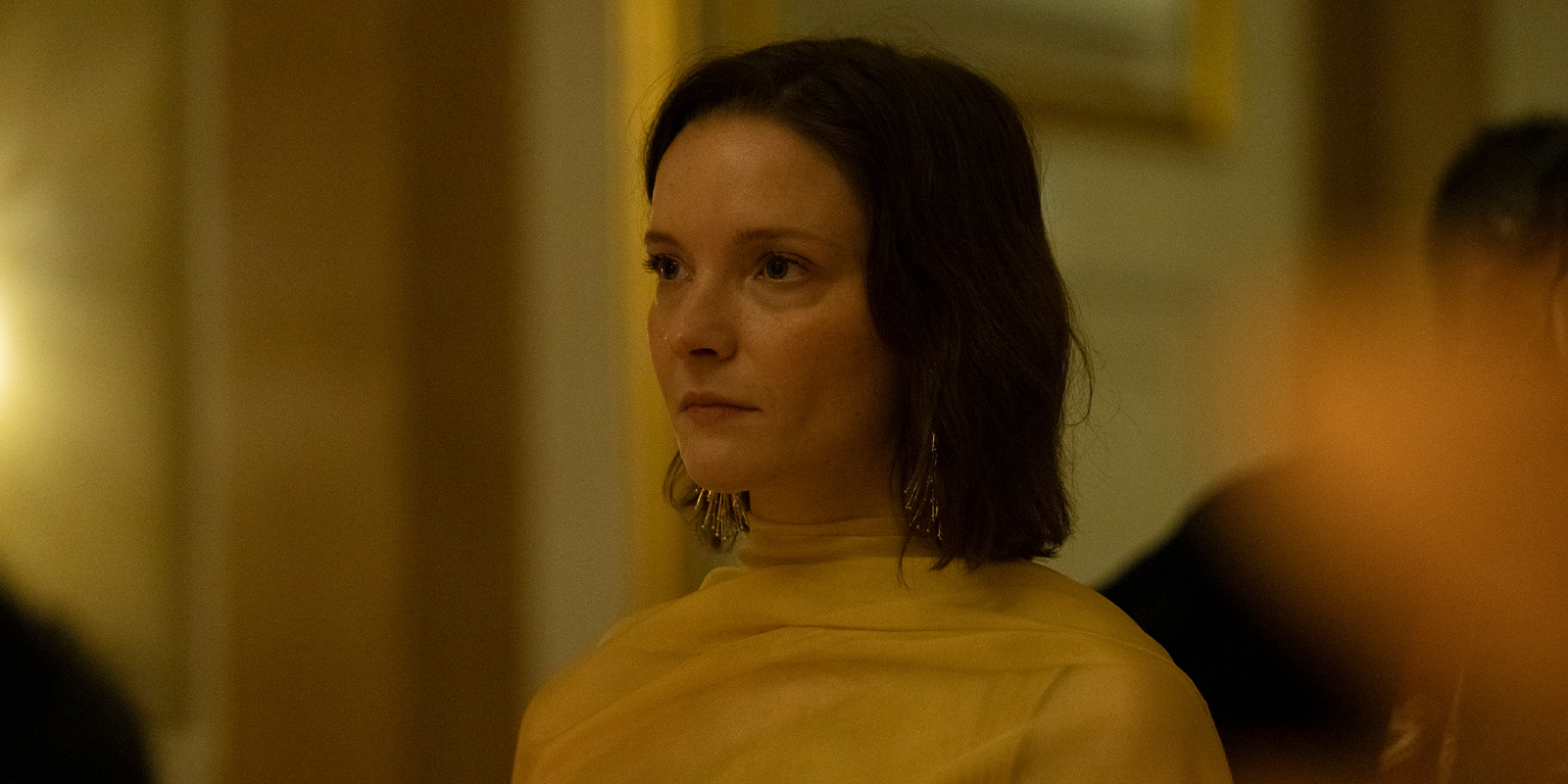
The biggest challenge, Bentley says, was creating a believable 360-degree environment at night, where the cast could move freely, experiment with staging and blocking and not feel constrained. “It was a very loose, flexible approach—I think the cast really enjoyed that freedom,” he continues. “But for the technical departments it was tricky. You never really knew where the action would go or where the eyeline would be. The main goal was building an authentic, immersive 360-degree space, while still maintaining image quality, contrast, and avoiding anything too flat or top-lit.”
Old friends
Bentley knows Karia better than most in the industry, having collaborated on a raft of productions together, including Surge (2020). That depth of shared experience meant he rarely needed to anticipate what the director might want or need — the communication between them was instinctive, the working relationship virtually seamless.
“We’ve developed a strong understanding of what he wants to achieve and how,” he says. “I love working with him — we’re good friends and our partnership is rewarding, open and enjoyable.”
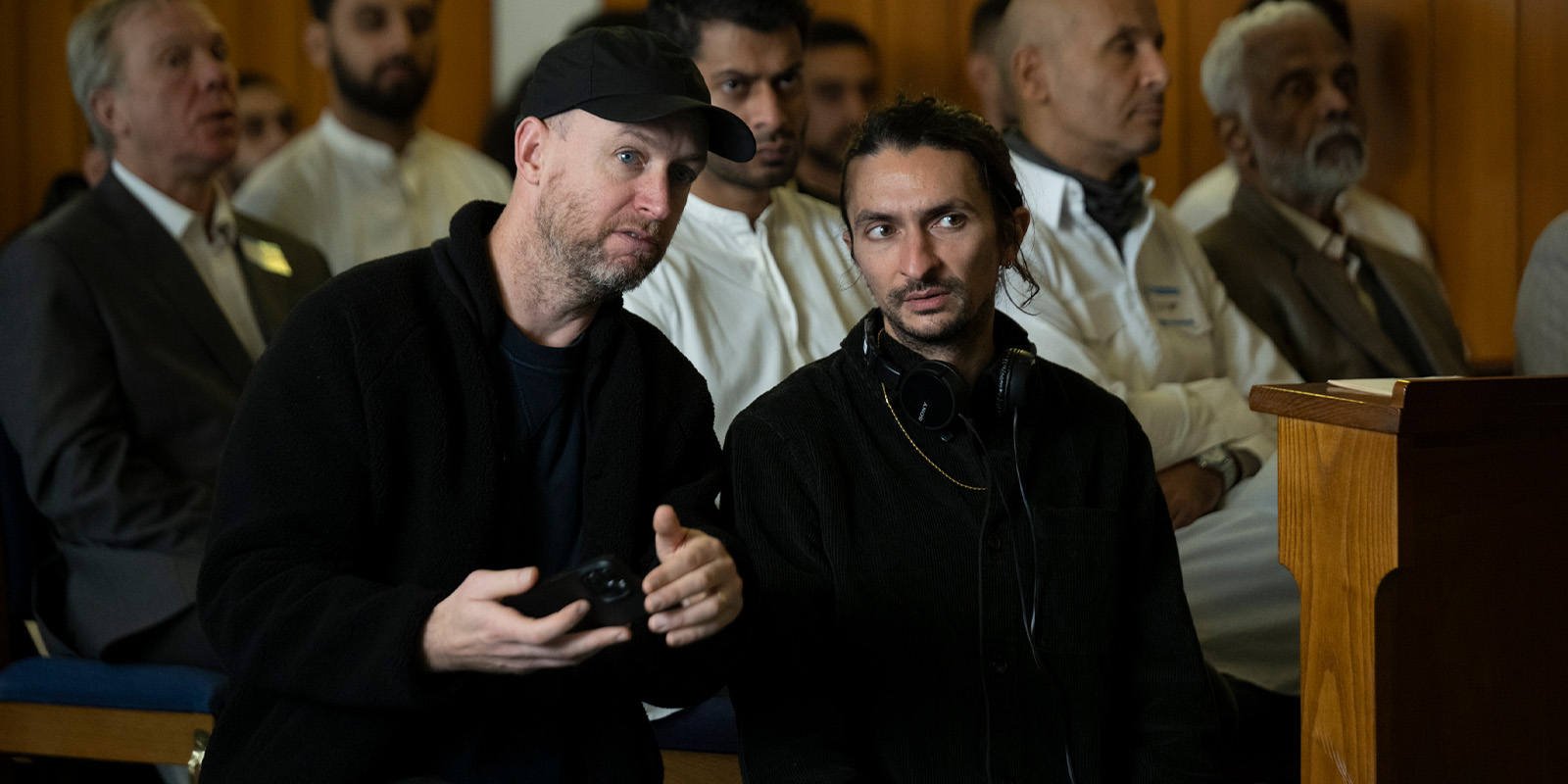
He describes their approach as “very fluid and organic,” operating in a 360-degree environment where blocking, staging, and camera movement are particularly engaging. “I love choreographing the dynamic dance between camera and cast as a constantly evolving challenge,” he continues. “With performers of this calibre, the scenes become electric, and capturing that energy is thrilling and rewarding.
“Having worked together so often, Aneil and I have settled into a particular style. That might not suit every project, but Hamlet felt like a natural continuation of our previous work.”
Reference points
Shakespeare’s timeless plays have inspired countless modern adaptations, breathing fresh life into his stories through contemporary settings, themes, and styles. Romeo and Juliet, with its tragic tale of forbidden love amid feuding families, stands out as one of the most reimagined.
Baz Luhrmann’s 1996 film William Shakespeare’s Romeo + Juliet relocated the action to a vibrant, gun-toting modern Verona Beach, retaining Shakespeare’s dialogue while starring Leonardo DiCaprio and Claire Danes. It blended high-octane visuals, pop culture, and MTV aesthetics to make the classic electrifying for new generations.
Earlier, the 1957 musical West Side Story (filmed in 1961 and remade by Steven Spielberg in 2021) transposed the feud to rival New York gangs — the Jets and Sharks — turning star-crossed lovers into Tony and Maria amid racial tensions.
“It was new territory for me,” he continues. “What I really enjoyed was the contrast between modern, contemporary London and the classical story. Honestly, I’m not a Shakespeare guy at all — I didn’t enjoy it at school and it never really appealed to me. But once we got on set and I saw how electrifying Riz is, and how raw the subject matter becomes when you strip it down, I realised the essence of the story is essentially a revenge thriller. That made it really exciting. The dialogue and prose became secondary to the film’s driving structure and that’s what I found most interesting.”
This film is proof, if proof were needed, that Shakespeare’s exploration of human nature, power and the psyche continues to resonate across generations.
The result challenges audiences to rethink the tragedy, proving that Shakespeare’s insights into human behaviour are timeless. As this adaptation joins a long tradition of reinterpretations, it underscores why Hamlet remains one of the most celebrated and relevant plays ever written. If Hamnet travels back to find Shakespeare, Hamlet brings him into the modern day.