
COURT ON CAMERA
Cinematographer Lotta Kilian crafts a restrained, unsettling visual language for Prosecution, using precise framing and naturalistic lighting to explore justice, control and rising extremism in Germany.
At the 2026 Berlin Film Festival, during German Films’ annual ‘Face to Face’ event, a gathering of up-and-comers in the country’s movie industry, one ‘face’ stood out: Lotta Kilian. The Hamburg native, who graduated in Cinematography from Film University Babelsberg Konrad Wolf, was at the festival with Prosecution, a tense courtroom thriller dealing with the dangerous re-emergence of Far-Right sympathisers in Germany.
“For me, it’s one of the most important subjects right now in Germany,” Kilian told me, after her ‘Face to Face’ event in Berlin’s Ritz Carlton hotel. “Everyone should be really threatened by what’s happening.” At the very same festival where jury president, director Wim Wenders, made a controversial statement that filmmakers “have to stay out of politics”, Kilian feels differently about Prosecution. “I feel that we made a political film, and that’s important to me.”
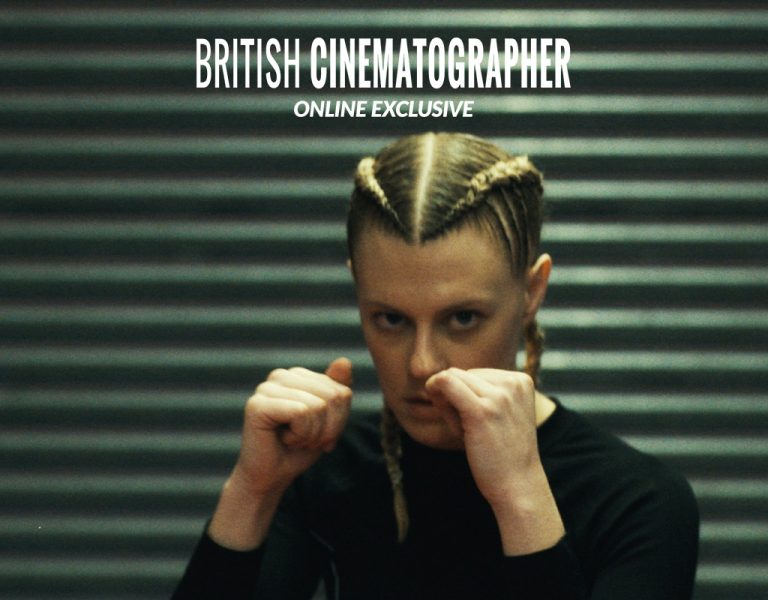
Directed by Faraz Shariat, with whom Kilian worked on the TV series Skam Germany, the story follows Seyo Kim (Chen Emilie Yan), a German-Korean lawyer who is prosecuting far right hate crimes – until she herself becomes a victim of one. With much of the film set in a courtroom, Kilian began by exploring such spaces, watching courtroom dramas like Alice Diop’s Saint Omer (2022) and Justine Triet’s Oscar-winning Anatomy of a Fall (2023).
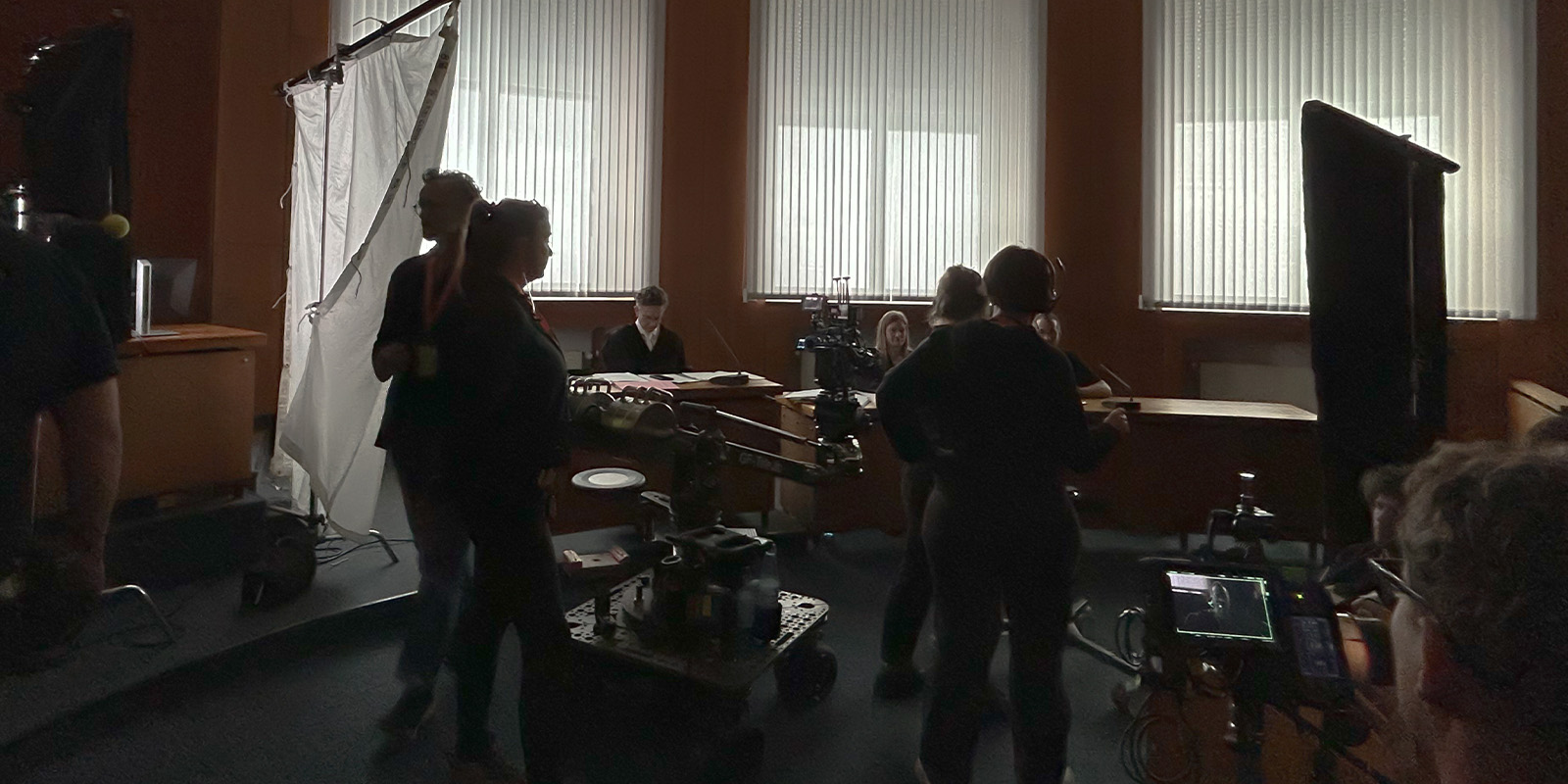
While it can be a genre known for grandstanding speeches in Hollywood movies like A Few Good Men, this was always going to be different. In the typical German courtroom, “no-one is moving, everyone is sitting,” explains Kilian. “The first thing we talked about…it’s a very strict system that she’s surrounded by. And so, cinematography also should have very strict rules. No emotional movements.”
Shooting on digital on the Alexa 35, Kilian was familiar already with the camera. “I love it,” she comments. “Everyone loves it! We were going for this dark look, not glossy, trying to avoid typical thriller visuals.” Recording scenes in ARRIRAW, the unprocessed raw digital cinematography format, was also an advantage. “I knew that the ARRIRAW would offer us so many possibilities in post.”
On set, Kilian switched between static shots and handheld. “What I really like is to have this intuitive movement of the camera, with handheld shots, and follow the character and go really into her world. We were showing the system that surrounds her and the system she’s then starting to fight.” As the story unfolds, the framing got tighter. “We are really very decisive in what we are showing; we never shot a lot of coverage.”
On the edge
With the entire movie filmed on location, the courtroom scenes were captured in Krefeld, North Rhine-Westphalia, a small city half an hour from Cologne. While around 20 courts were scoured around Cologne and also Berlin, this particular space hit the spot, visually. “It’s a working court,” Kilian explains. “We had three days where they could reschedule their activities for us, because they were really interested to have us shooting there.”
Pairing the Alexa 35 with Cooke S4 lenses – Kilian chose the package to bring “something very subtle, natural, classic” to screen – she worked with gaffer Thorsten Kosellek to shape the lighting scheme. Utilising natural light where possible, the team enhanced the look artificially with SkyPanel X and Nanlux 5000 lights. “It’s just a normal day, it’s a courtroom, it’s nothing fancy, but we wanted that…it doesn’t feel right. Something feels unsettling.”
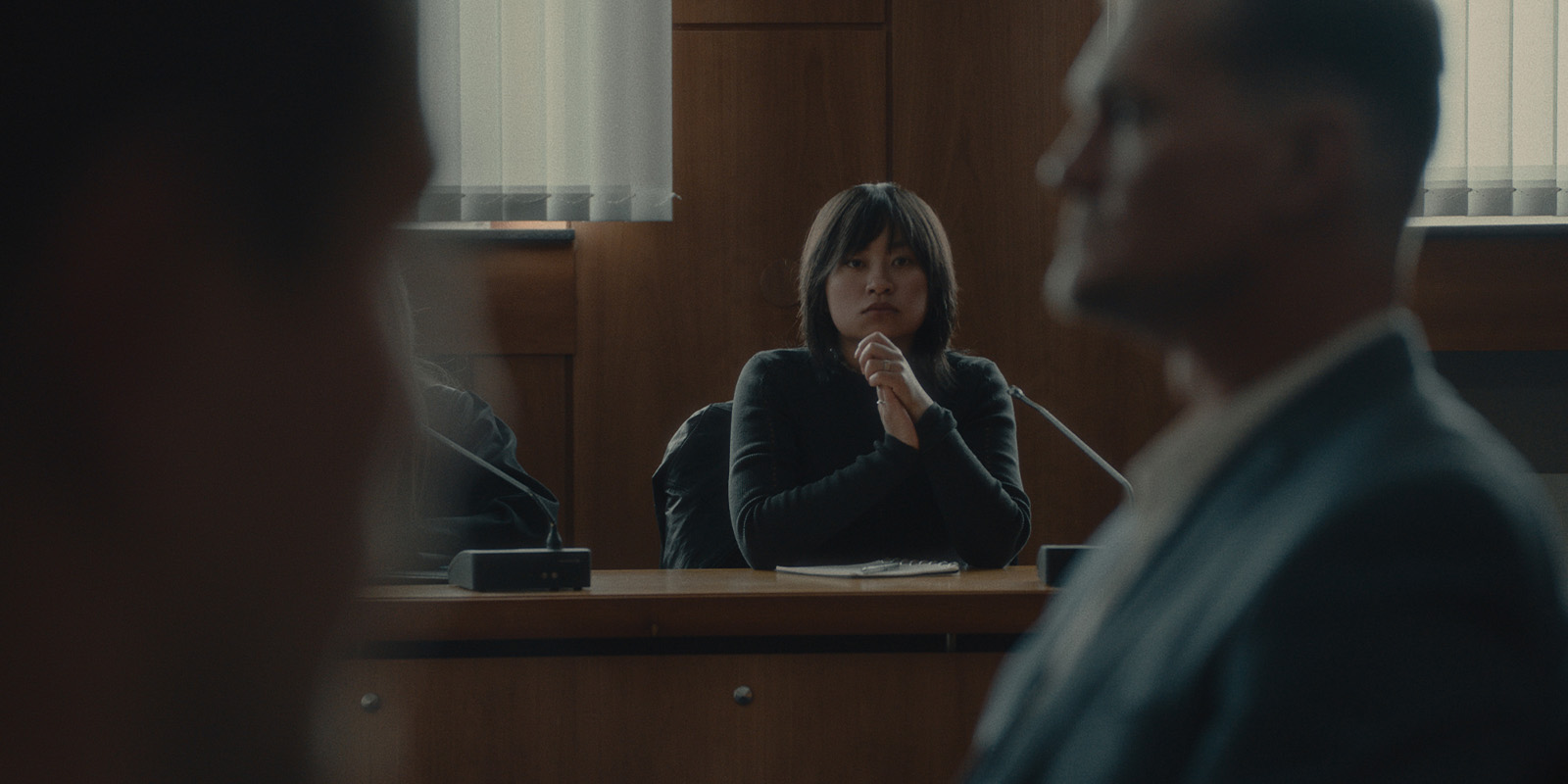
During preparation, Kilian discovered videos on YouTube proclaiming that filming in a courtroom “is the most complicated thing for a filmmaker”, especially in Germany, where all the participants remain seated. As if to combat that, Kilian shot an unbroken eight-minute take, following Kim as she enters the courtroom, following a traumatic encounter with the police. Twelve takes were filmed in total.
“We’re really proud of the scene, because we were not sure if it would work,” says Kilian. With complex sequences like this to get in the can, the cinematographer was relieved that 30 shooting days were allotted for the entire shoot. “It was manageable,” she remarks. “But you could always use more. You always feel like you’re on the edge…‘If I had two days more, it would be perfect!’”
Even more complex to orchestrate was the shocking moment when Kim was first attacked, with a Molotov cocktail thrown at her from a bridge as she cycles through a park. “We were very sure that we wouldn’t go into the attack with the camera, action-style,” Kilian says. “So, we looked for a location that would offer us this great perspective.” With a stunt performer on hand, Chen Emilie Yan, who plays Kim, shot close-up scenes, as the prosecutor falls from her bike, with her jacket on fire.
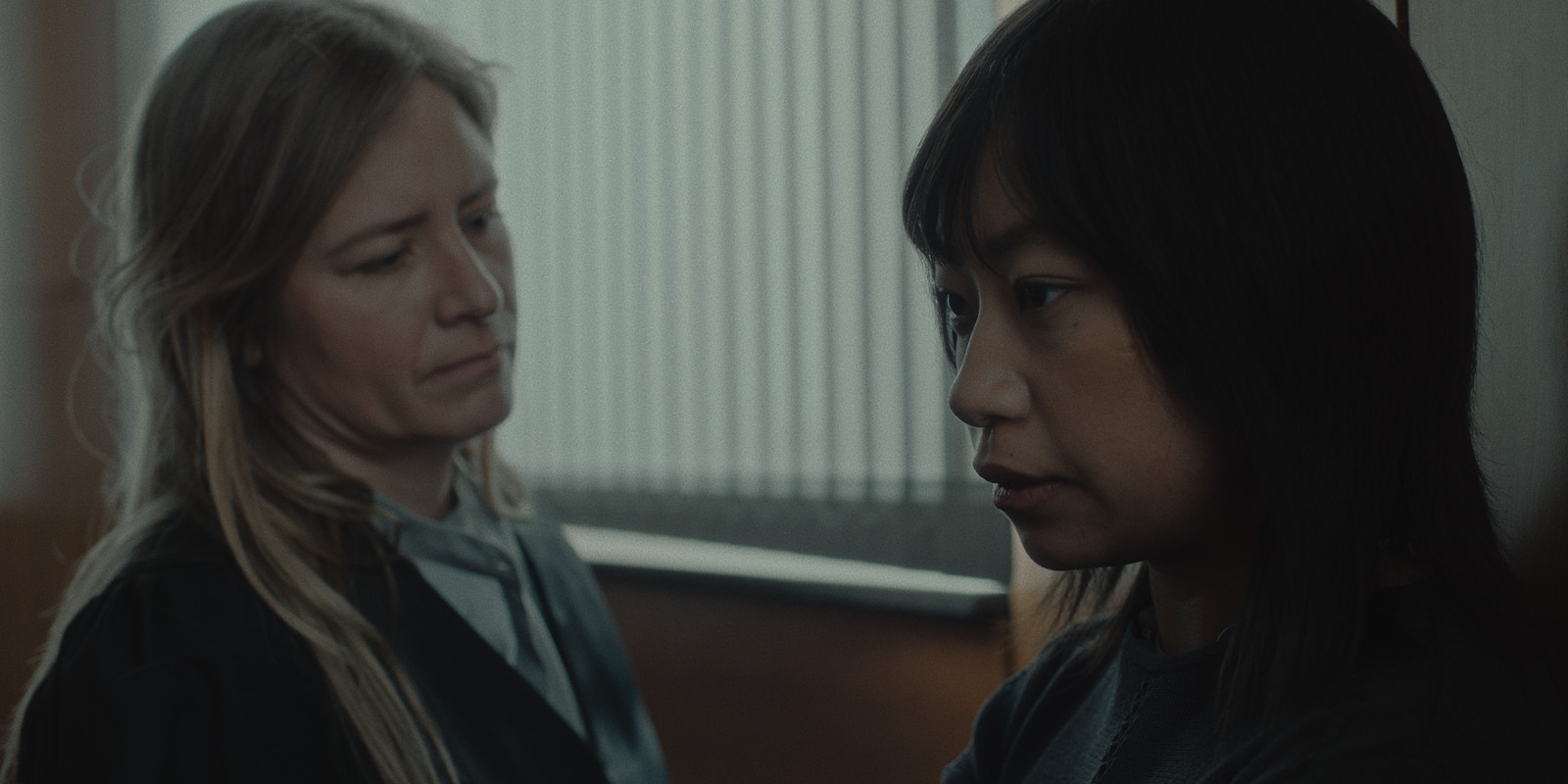
In post-production, Kilian worked with Jonas Damm at WeFadeToGrey, a facility based in Cologne. Again, Kilian reiterated the need for a gloomy palette. “We already developed this dark look in terms of what kind of contrast we needed,” Kilian explains. “The thing is, there are sunny skies, but we toned it down. The highlights are at 70 percent maximum, even if it’s sunny outside. And for that, we also did some lighting tests with my gaffer, and with that footage, we developed the look with my colourist.”
Whether it was working with Damm, production designer Dario Mendez Acosta or members of her own camera department, Kilian pays tribute to her director. “That’s one achievement of Faraz, I think, because he puts together bright people,” she notes. “He’s really talented in bringing the best out of everyone. And it’s just a very good atmosphere in the team. It was a really, really good experience.”