
BRINGING IMPORTANT STORIES TO LIFE
Emma Leonard is an Australian actor, writer and producer, and the co-creator of Zombucha!. Working across comedy, film and television, Emma is known for creating character-driven stories that blend sharp humour with emotional honesty. On Zombucha!, she serves as lead actor, writer and producer.
Finding the voice
Boobytrap Entertainment’s origin story dates back to 2012, when Claudia and I first collaborated on a sketch comedy infomercial for a product called the Vertical Sofa. I guess you could say we were finding our comedic voice. But really, we were acting on an impulse to create our own work at a time when there were a lot fewer opportunities to do that.
We had always had the goal of working on a feature film together. But before producing Zombucha!, we had formed the sketch comedy trio Frothpocalypse and made our short Wanderbust, which we co-wrote and directed while Claudia was in her third trimester. In Wanderbust, Claudia and I explored the impact that parenthood can have on female friendships.
It was an inspiring vision for the crew, seeing Claudia leading a camel through the sand dunes, heavily pregnant in a yeti costume: a testament to her strong resolve to continue creating throughout her motherhood journey. Some of the women from the Wanderbust crew joined us again on Zombucha!, including 2nd AC Christine Anderson, AD Holly Fraser and line producer Claudia Shepherd.
The fear and desire of parenthood
Writing Zombucha!, a film that addresses the fear of becoming a parent, was important to me because I hadn’t seen it represented enough on screen. We grew up in an era of rom-coms where marriage and babies were the end-game – traditionally where the curtains closed, happily ever after. But the reality is that the desire to start a family and the fear of starting a family are two strongly opposing forces that can co-exist within a person’s heart.
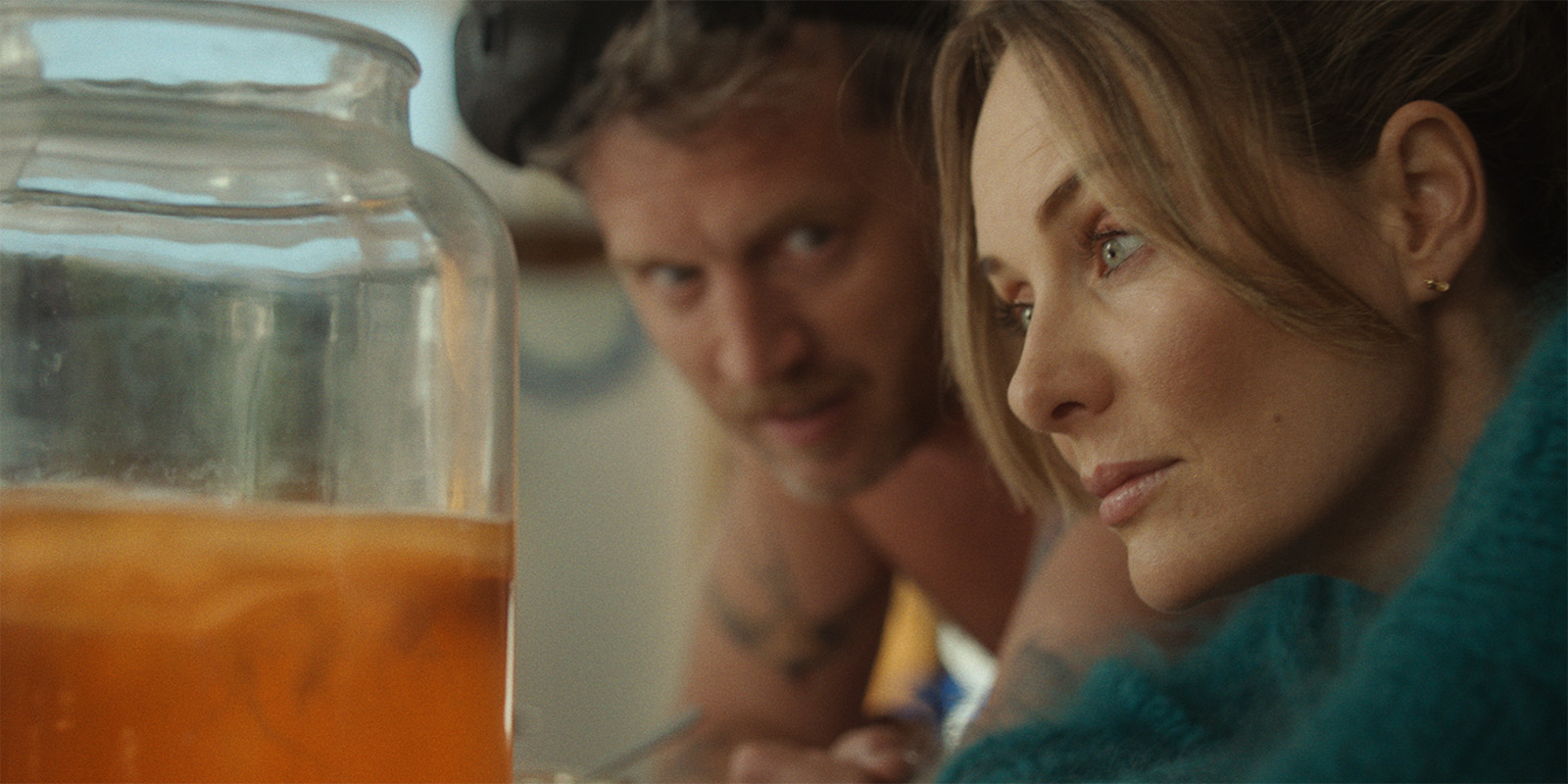
The fears are well founded, too. With the division of labour still strongly favouring men, prevailing gender pay gaps and the perceived pressure of the biological clock, women are often facing the heart-wrenching task of navigating career setbacks and a loss of autonomy – or delaying parenthood and the anxiety of missing out. The fact is, our child-bearing years often coincide with the best years of our careers, and there is still a perception that a woman taking time off to start a family will be set back – especially in the tricky and very transient creative industries.
In the film, the lead character Maddie goes to a fertility clinic to investigate freezing her eggs accompanied by her best friend, not her husband. Her relationship is on the rocks and she feels alone in her responsibility to preserve her fertility and “buy herself some time”. These conversations aren’t always easy for couples to have, particularly when issues of timing and reproductive choices are so often framed as a woman’s responsibility. (The number of times I’ve visited a GP for something routine like a flu vax, only to be interrogated about my fertility – which, incidentally, never happens to my husband.) Maddie’s experience reflects a reality many women recognise: even though fertility is a shared issue across genders, the pressure to act often falls disproportionately on them.
Whilst these are heavy themes, we didn’t want to descend into doom and gloom – rather, to infuse these more vulnerable sentiments into an off-the-wall comedy about a couple navigating their relationship whilst raising a sentient kombucha that turns people into zombies. Comedy has the ability to connect us, celebrating our shared human flaws in a way that can act as an antidote to loneliness.
Being taken seriously
Comedy can be tricky to get off the ground – you’re met with a lot of phrases like “execution dependent”, which can feel disheartening. What helped this project stand out was the genre element. It allowed us to lean comedically into tropes and metaphors to further explore the characters and the weird and complex layers of human behaviour.
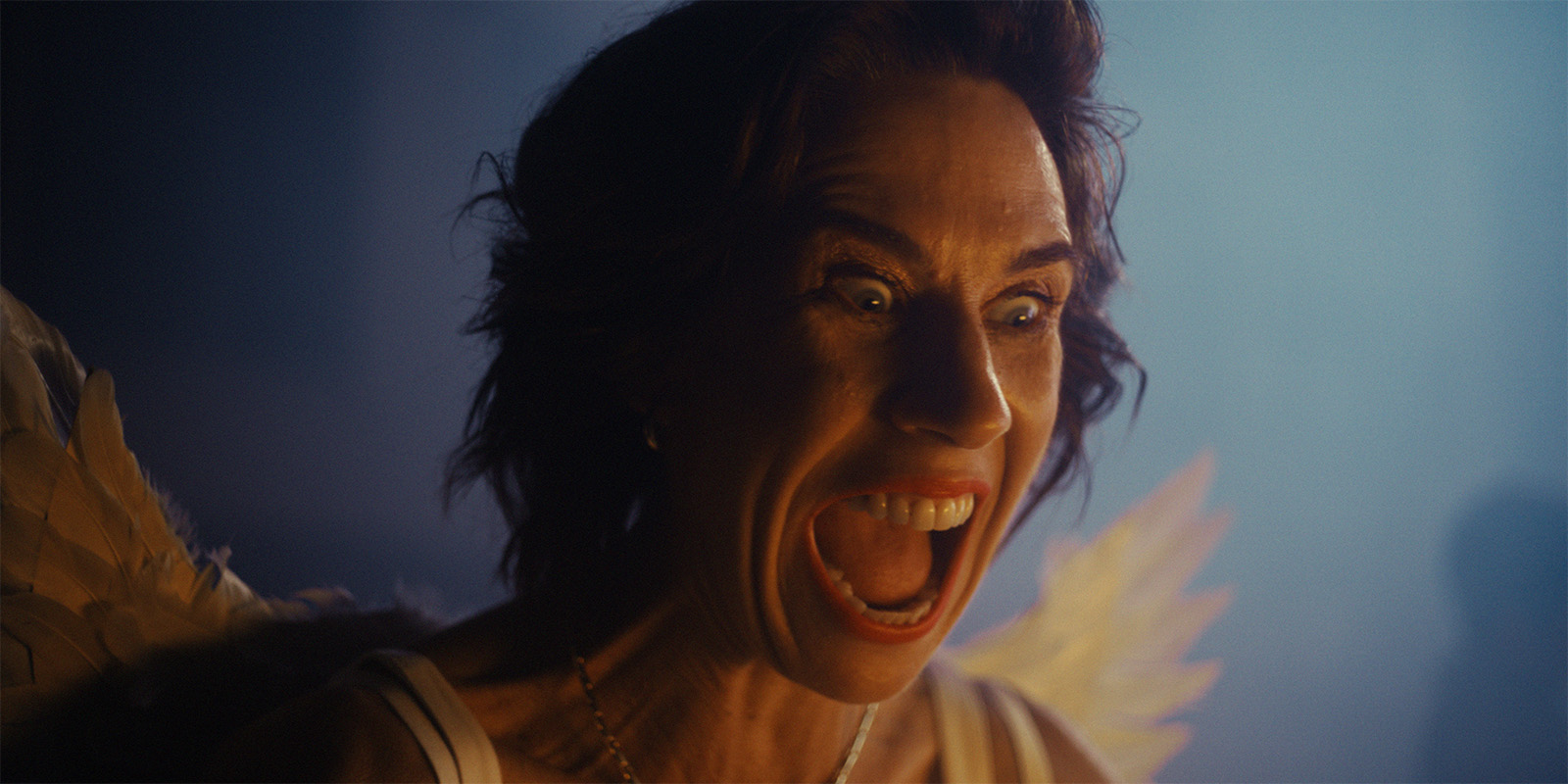
Sometimes there’s an assumption that a female-focused story means it’s exclusively for women. But we set out to tell a universal film about love, relationships and ambition that reflects the realities of our own experiences, in the timbre of our own voice.
Women need to work harder to be taken seriously. One thing we realised happened often in pitches: people would assume we were these ‘cute excited women’ making something, and then be quite surprised when they discovered we knew exactly what we were talking about – that we had answers for every reason they gave us it wouldn’t work. In a strange way, years of being viewed as “cutesy” at times within our own industry had us well prepared for the uphill battle of making this film.
Moving forward together
Claudia and I attended Sydney Film Festival’s opening night when the NZ comedy The Breaker Upperers was screening as the opening film. Seeing a female-led comedy front and centre was inspiring. Jackie van Beek and Madeleine Sami’s unapologetic goofiness felt like the antithesis of a lot of the very “worthy” dramas that often dominate festival line-ups. It gave us this sense that maybe the landscape really was shifting- that a space was opening up for women’s voices to be shared with a refreshing irreverence and authenticity that resonated with us.
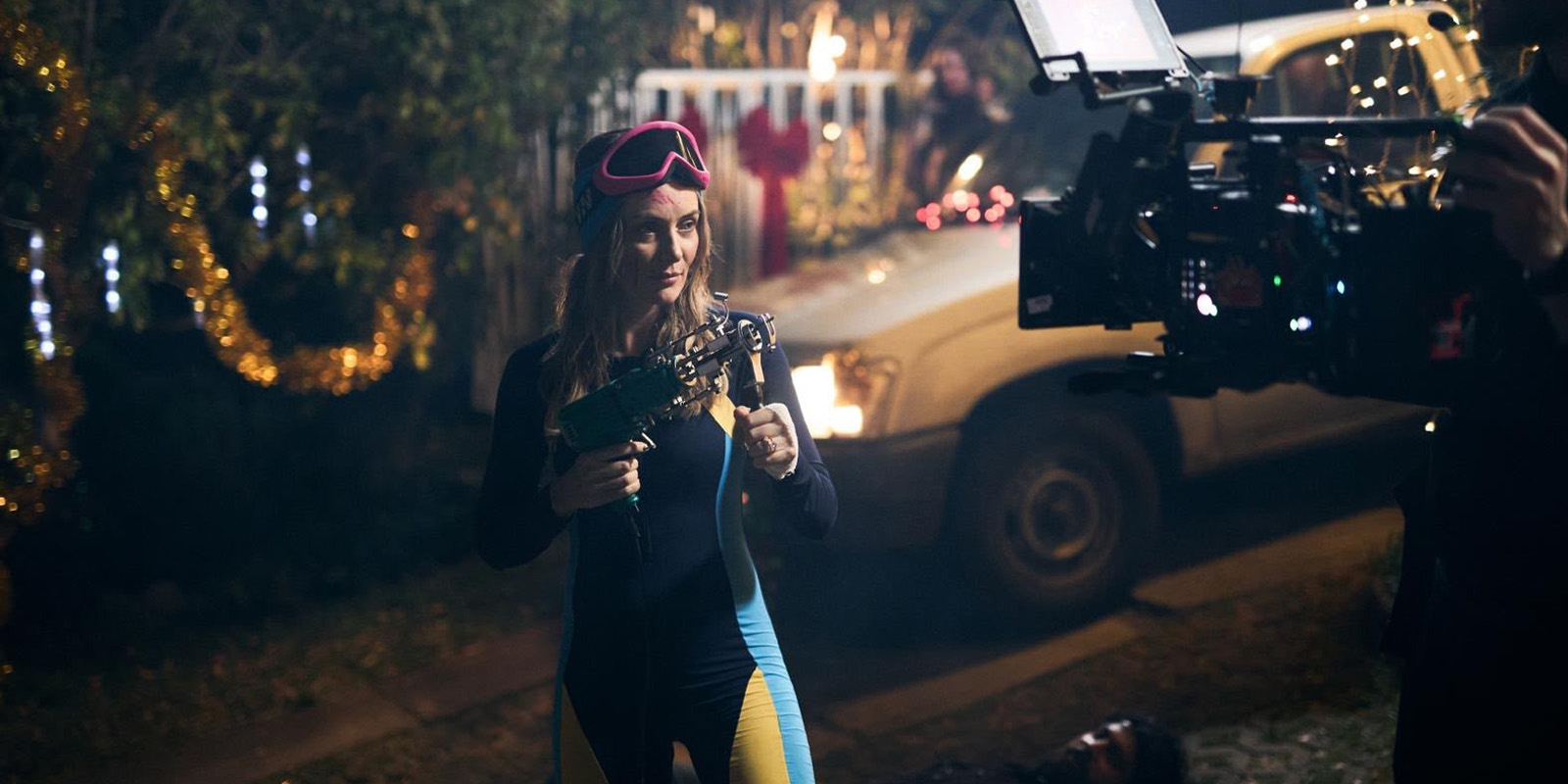
That same sense of connection continued throughout the journey of Zombucha!. We were fortunate to find sales agents Alla and Olga at CrossBorder Films, who immediately understood the project, picking up on its nuances, themes and details. From our very first conversations, we felt a sense of kinship and a shared desire to keep moving the film forward together.
Today, we’re preparing for Zombucha!‘s international premiere at the UK’s largest independent film festival, Raindance, following the film’s recent presentation at MIFF.
The dynamic energy created on set had a lot to do with the fact that women were in the driver’s seat in so many key roles. At the same time, creating learning opportunities for emerging talent was so important to us as producers – taking the lessons we’d learned in the battle to get into production in the first place and sharing the wealth of those learnings, particularly with a female-led production team stepping further into their own producing careers. That cycle – receiving wisdom and passing it on – is the thing that joins us together.