


PERFECTING VISUAL LANGUAGE
Filmography so far (project title, director, year released)
Feature Films
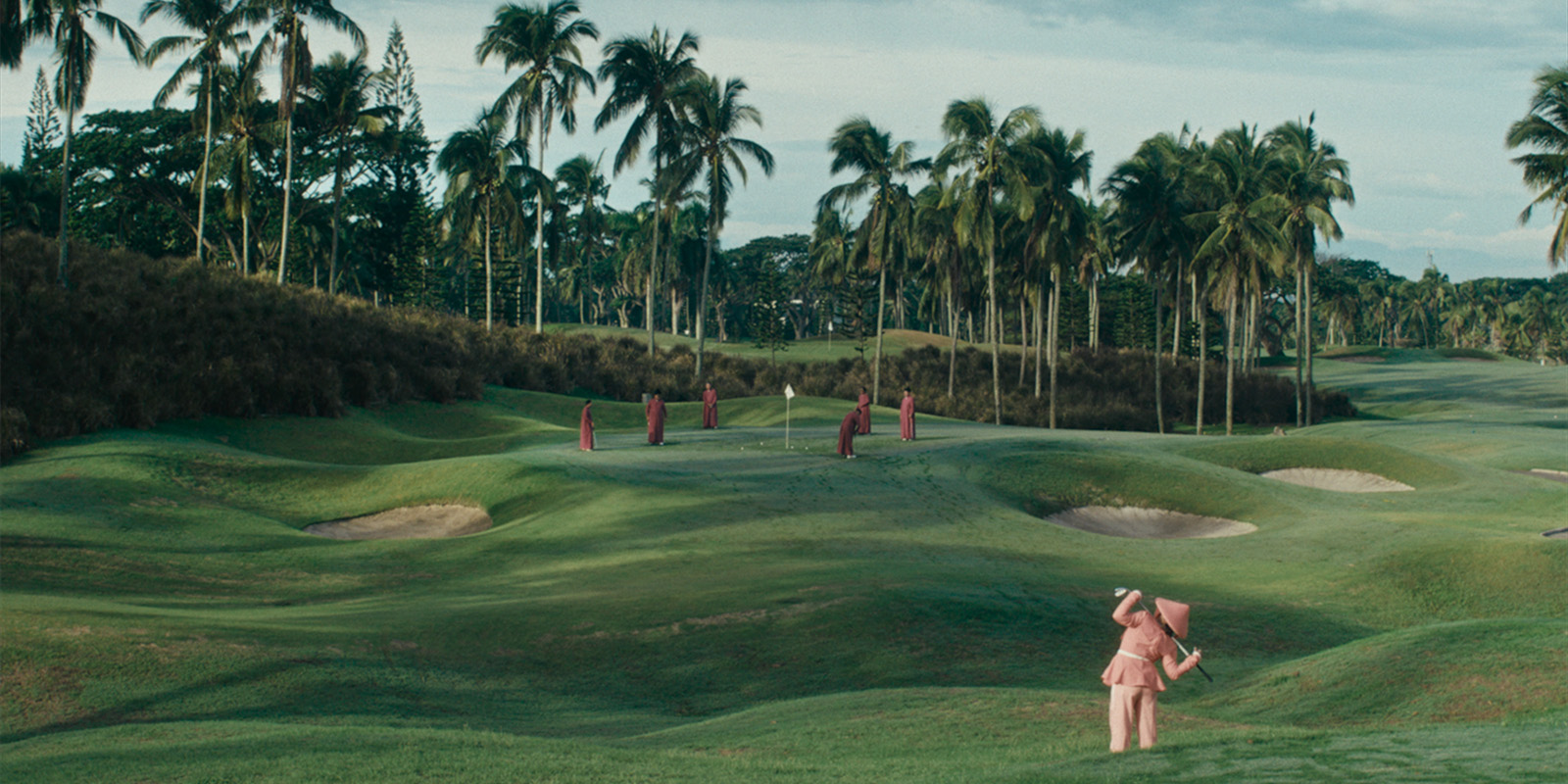
Filipiñana (Dir. Rafael Manuel, 2026) (Sundance Film Festival 2026: Creative Vision Award)
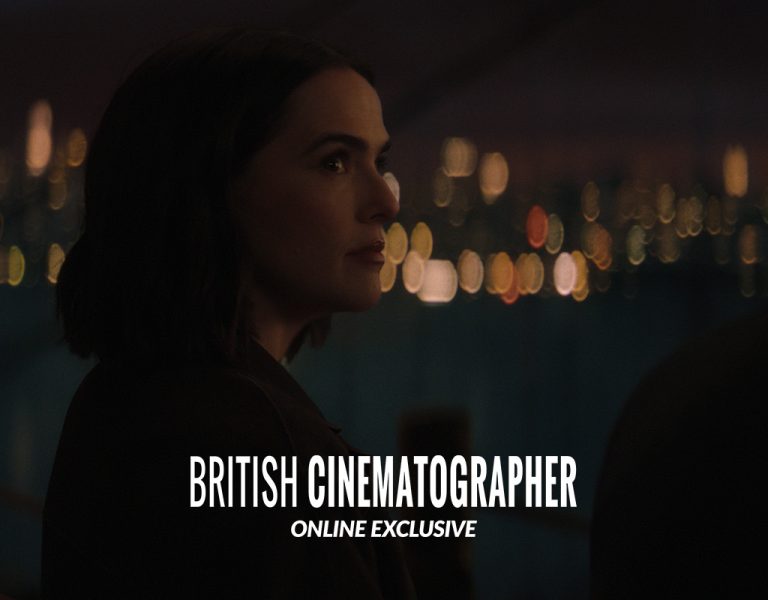
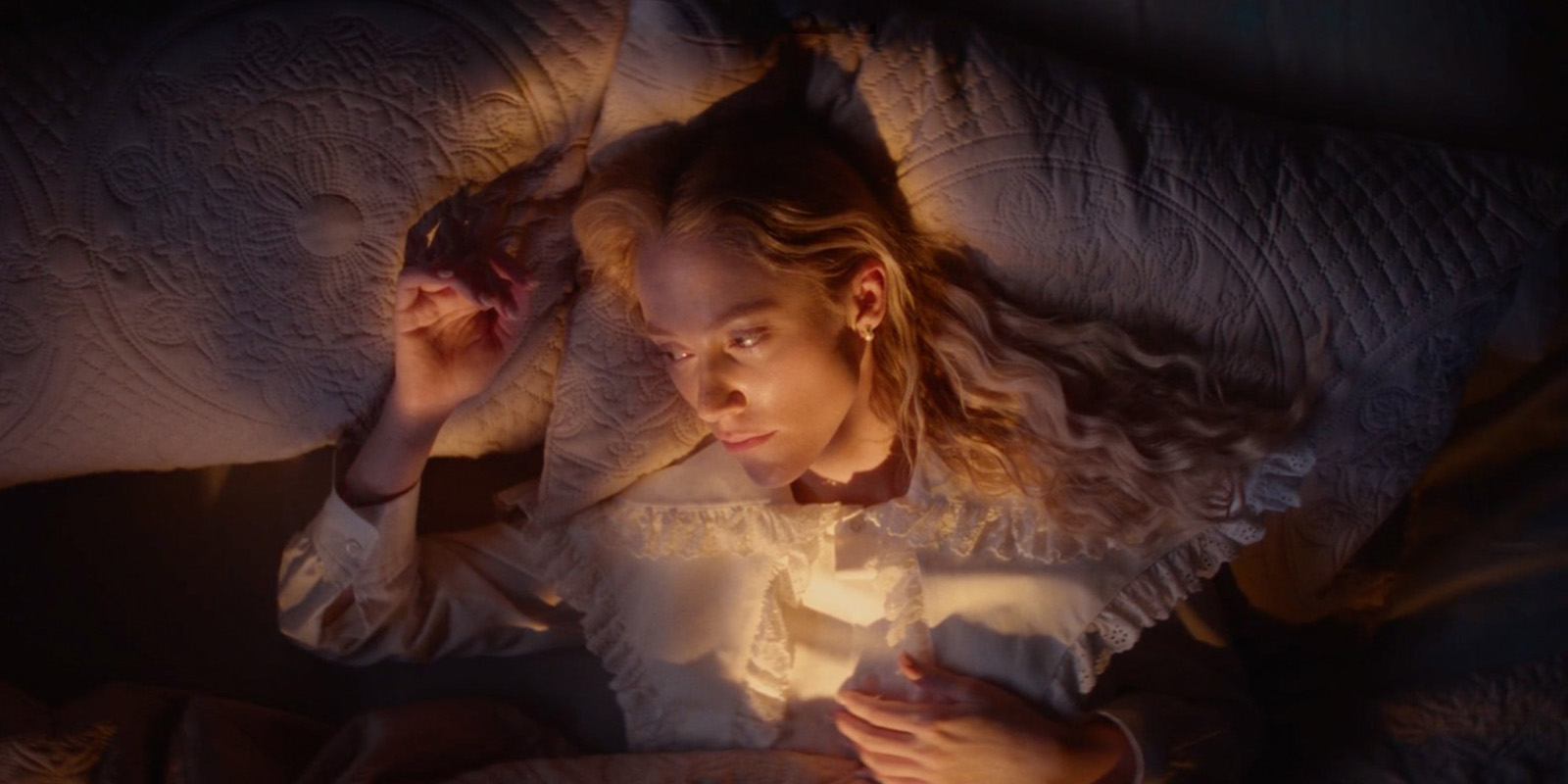
100 Nights of Hero (Dir. Julia Jackman, 2025) (Closing Film at Venice Critics Week and London Film Festival 2025)
The Zodiac Killer Project (Dir. Charlie Shackleton, 2025) (Sundance Film Festival 2025: NEXT Innovator Award)
Sunsets Don’t Matter (Dir. Alexandra Ruegg & Lasse Linder, in post-production)
When did you discover you wanted to be a cinematographer and what inspired you to follow this career path?
My path into cinematography was quite indirect. I originally studied Chinese and Korean at university because I was fascinated by languages, cultural exchange and geopolitics.
After graduating I spent time working in Korea as a researcher on geopolitical topics. While I found the work intellectually very rewarding, I realised that academic research often reaches a relatively small audience. Film felt like a much more universal language, a way to engage people emotionally and create empathy across cultures.
Cinematography became the way I could participate in that dialogue, helping to shape stories visually and creating images that communicate beyond language.
Where did you learn your craft?
The simple answer would be London Film School, but I would say in terms of craft I learned just as much working in camera and lighting departments before and after my studies.
I do think, though, that what film school gave me was the freedom to experiment – and to build a lot of friendships and meet collaborators I still work with today.
Who in the film world inspires you?
I have to say a lot of my friends and collaborators in film constantly inspire me with their passion, curiosity and generosity, as well as their fearlessness and drive to push boundaries.
It is very inspiring to be surrounded by people who not only care deeply about storytelling but also really care about making the industry a more supportive and inclusive place.
What’s the most useful advice you’ve received?
“We are not saving lives here, so don’t stress too much and enjoy the process.”
Film sets can be intense environments, and it’s easy to become consumed with getting everything exactly right. But ultimately, creativity thrives on collaborating and exploring.
What lights your fire outside of work?
Travel, cooking and sharing meals with friends. Food has a beautiful way of bringing people together.
What has been the biggest challenge in your career and how did you overcome it?
I started my career working as a camera trainee in Germany, where I met many supportive people but also quite a few who held their own prejudices about gender and what that meant in terms of capability.
My immediate reaction was to work extra hard and prove people wrong. In the long term, though, it encouraged me to remember the support and kindness I received from others, and to embody that same energy – being mindful of creating opportunities for people and believing in them.
Overall, I think the industry is taking meaningful steps towards becoming more inclusive, and it’s really encouraging to see that growing awareness.
What piece of kit could you not live without?
A light meter (and coffee).
Which productions are you most proud to have lensed, and why?
Filipiñana is particularly meaningful to me. I had the chance to shoot the short film years ago and later returned to work on the feature with Rafael Manuel, which felt very special.
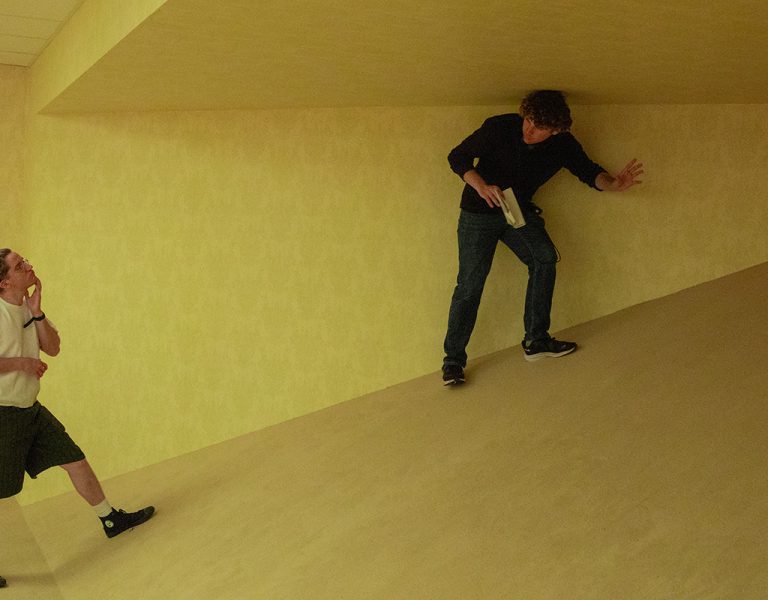
It was an incredibly collaborative process where the visual language slowly emerged through conversations between direction (Manuel), production design (Tatjana Fanny) and cinematography. We were interested in creating images that feel very composed and beautiful on the surface, but that also carry a sense of unease.
A lot of our discussions revolved around the idea that beauty can also feel slightly violent, that a certain kind of perfection can create a sense of artifice, revealing the social structures that try to keep people in their place. Many scenes were approached almost like small tableaux, with careful attention to colour, texture and the relationships between characters within the frame.
What’s the best and worst thing about your job?
The best part is that every project feels like entering a new world. A director invites you into their imagination, and together you explore how that world might take shape visually.
The more difficult aspect is the uncertainty that comes with freelance work. It requires a lot of resilience… at the same time I feel very fortunate to be part of a community of filmmakers who try to support one another.
How would you best describe your approach to cinematography?
Perhaps because I come from a language background, I tend to see cinematography as a universal language – one that can cross all kinds of boundaries.
With that in mind, I like to listen first: to let the director take me on their journey and allow myself to be fully immersed in the story. From there, the ‘translation process’ begins, together with the wider creative team.
What are your aspirations for the future?
To continue working on bold and distinctive stories; films that explore the world we live in and encourage empathy.