
Filmmaker, cinematographer, and artist R. Michael Givens on portraiture, inheritance, memory, and the silent continuity between generations.
There are moments in life when a human being unexpectedly encounters himself.
Not in the mirror. Not in the hurried reflections of modern existence, where the face is seen constantly yet rarely understood. But in silence.
Perhaps while standing alone before an old portrait hanging quietly in the half-light of a family hallway. The house has settled into evening stillness. Dust drifts through a narrow shaft of afternoon light like memory itself becoming visible. Somewhere beyond the room, an unattended television babbles softly into the silence.
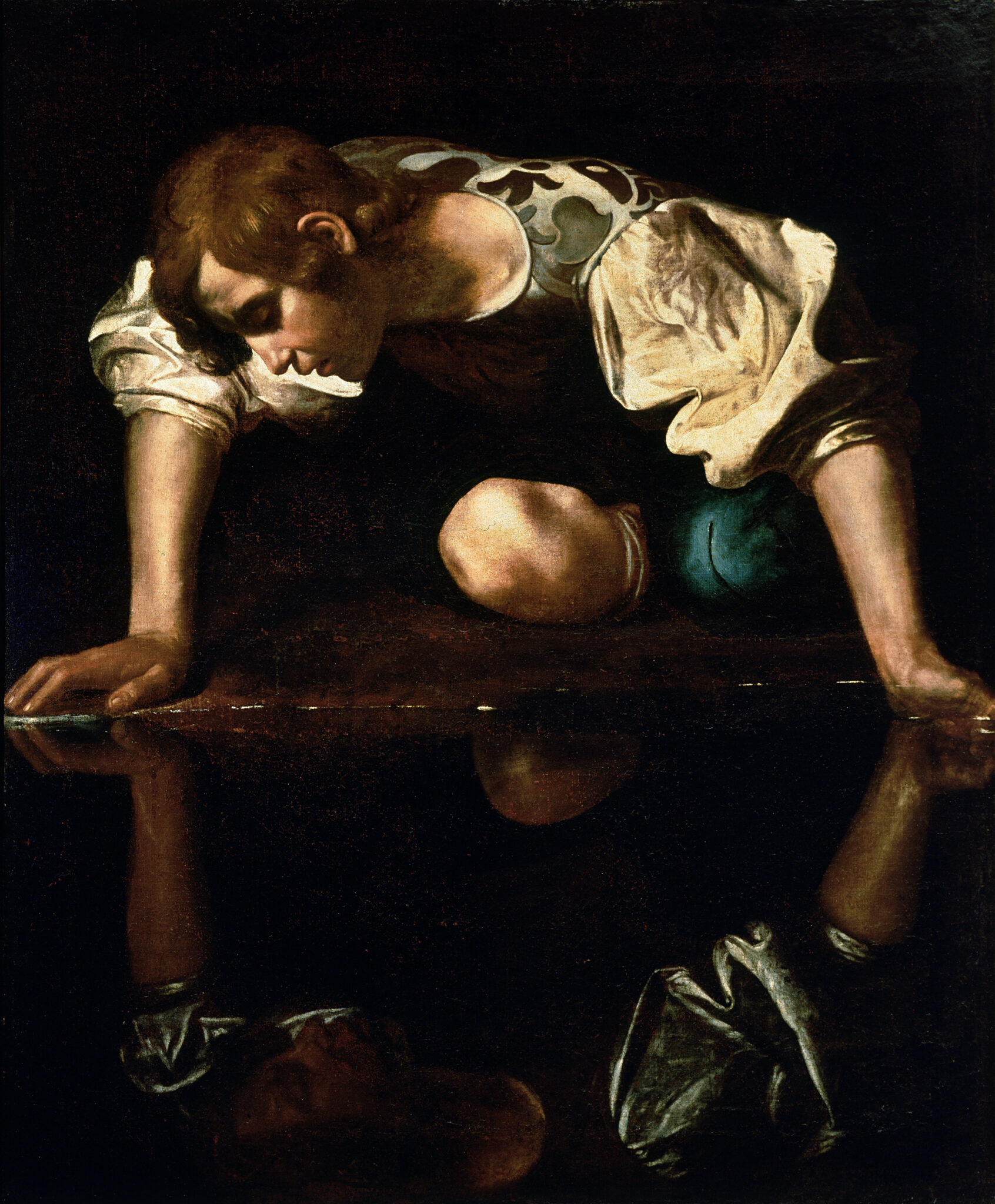
And the eyes within the frame seem impossibly alive. Not frozen.
Something stirs.
The viewer no longer studies the portrait merely as an image of another person, but as evidence of continuity itself.
A descendant in the year 2200 may someday stand before such a portrait and wonder: “Who was this person?”
Yet beneath that question whispers another, far more important: “Who am I?”
For human beings often lose contact with themselves long before they lose contact with others.
A young man may once dream of conquering the world. Then life, in its beautiful and demanding gravity, reshapes him. Love arrives. Children are born. Responsibility replaces ambition. Long years are spent building shelter, stability, memory, and meaning for those entrusted to his care.
And one day, standing before a mirror somewhere near middle age, he may briefly wonder what became of the young conqueror he once imagined himself to be.
This is the great mistake of modern thinking: the belief that quiet sacrifice is somehow lesser than conquest.
Yet civilisations were not built merely by conquerors.
They were built by men and women who endured. Who remained. Who carried the line forward through uncertainty, labour, devotion, grief, discipline, and love.
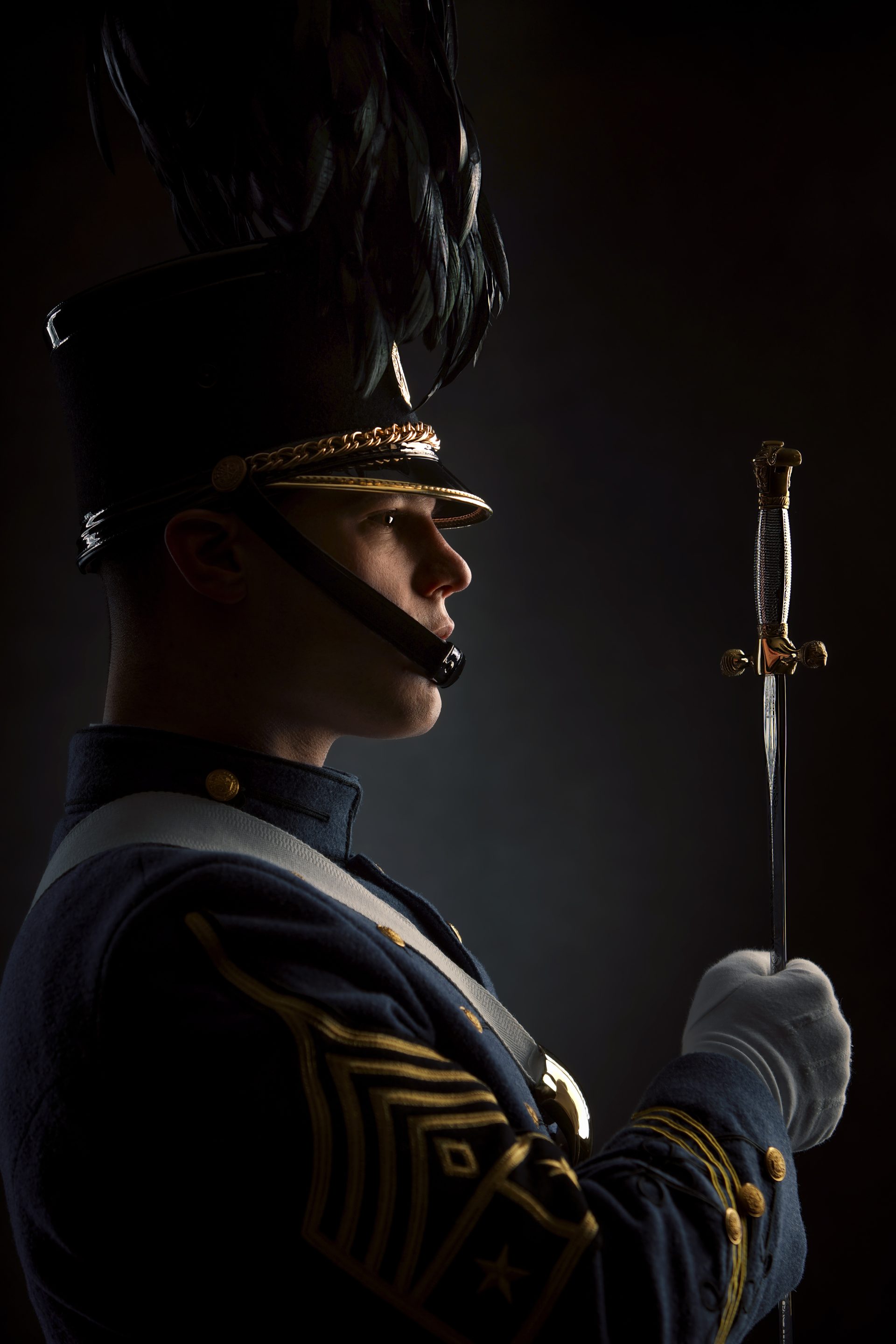
Those fortunate enough to know their inheritance often recover themselves through it. A family Bible. A letter folded carefully for generations. A weathered watch. A sword. A ring. A faded photograph. An oil portrait darkened softly by age and candle smoke.
These objects were never preserved merely as possessions. They were preserved as orientation. Proof that life did not begin with the present moment. Proof that others stood before us.
Others suffered before us. Others built before us. Others carried the line through war, hardship, loneliness, uncertainty, labor, and love so that one day another soul might stand beneath the accumulated shelter of their perseverance.
This is part of his definition. Part of his inheritance. Part of his soul.
And suddenly the portrait ceases to be documentation. It becomes recognition. Not because it flatters vanity. Because it confirms existence.
Modern culture often encourages human beings to think of themselves as temporary creatures drifting through disposable years. Images flood endlessly across glowing screens, appearing for moments before vanishing forever into the machinery of distraction. The result is a strange shrinking of the spirit. Many begin quietly believing their lives are smaller than they truly are.
But a meaningful portrait resists this condition. It declares permanence in an age addicted to disappearance.
This is why standing before a great portrait can feel strangely overwhelming. One senses not merely the presence of an individual, but the immense invisible procession standing behind him:
The generations required for one human life to exist exactly as it does.
The migrations.
The wars survived.
The prayers whispered in darkness.
The children protected.
The losses endured privately.
The acts of devotion history never recorded.
The sacrifices made without applause.
All of it remains alive somehow within the face held by the frame. And the viewer begins to understand that identity is not a solitary invention. It is inheritance.
A cathedral constructed slowly across centuries by countless hands, many now forgotten by name though still living quietly within the blood, posture, instinct, and memory of the living.
This is why civilisations once treated portraiture with reverence. The portrait was never merely decorative. It was civilisational memory made visible.
A culture that surrounds itself only with disposable imagery slowly begins to think of itself as disposable. But a culture that preserves depth, continuity, ritual, and remembrance reminds each generation that human beings are participants in something larger than themselves.
Not isolated spectators. Carriers. Stewards. Links within a vast and unbroken chain.
And perhaps this is why the realisation arrives so heavily while standing before such an image: “I, too, will someday become memory.”
For some, this thought brings fear. Yet it may also bring dignity.
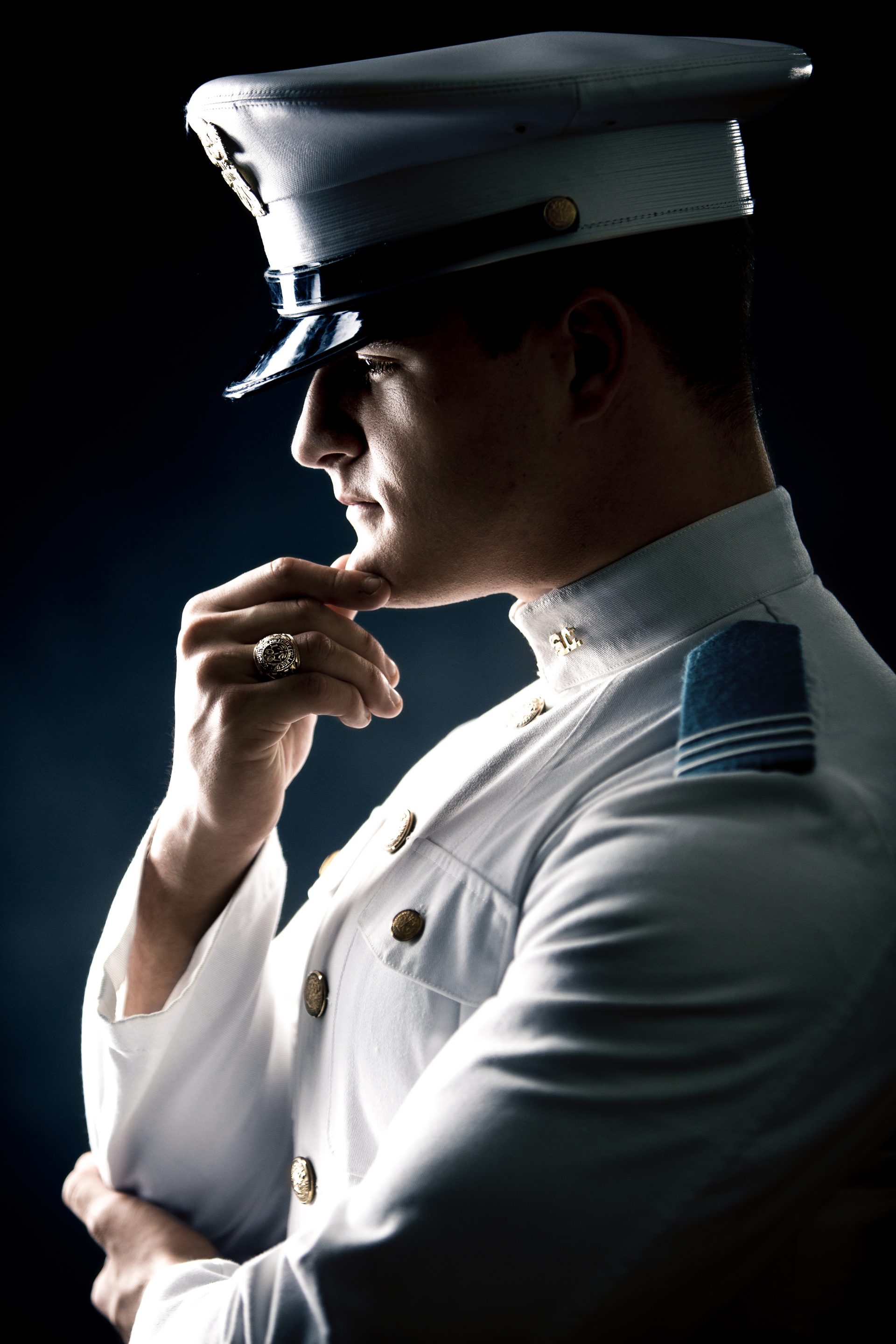
For memory is how humanity defeats time. A worthy life does not vanish. It changes form.
The discipline of a grandfather may still shape the posture of a descendant two hundred years later. A mother’s tenderness may survive in gestures repeated unconsciously across generations. An ancestor’s courage may quietly rescue someone not yet born.
Nothing meaningful is ever entirely lost. Its influence simply continues traveling through human beings.
And perhaps this is where portraiture approaches something sacred. Not because it allows a human being to escape time. But because it reminds the viewer that a worthy life continues far beyond the borders of the self.
That existence stretches outward through generations like widening ripples upon dark water long after the individual has disappeared from sight.
This may explain why certain images seem alive while others merely decorate. One contains surface. The other contains understanding.
And perhaps this is why certain artists spend their lives pursuing not merely beauty, but emotional permanence.
The painter once sought it with oil and varnish beneath cathedral light. The Victorian photographer sought it beneath silver and chemistry. The cinematographer seeks it through motion, shadow, silence, and time itself.
Yet all are attempting, in their own manner, the same mysterious task: to reveal the invisible life within visible form.
For a true portrait does not merely record the arrangement of features. It attempts to uncover something far more elusive — the hidden geography of the soul. The burdens quietly carried. The inherited strengths. The private wars already fought behind the eyes.
The face may remain still. Yet the image moves.
No words need be spoken when the image speaks. No explanation is required when the heart recognises truth before the mind can name it.
The great painters understood this instinctively. Rembrandt did not paint faces so much as conscience illuminated by candlelight. Caravaggio understood that darkness itself could become emotional theatre. Vermeer painted silence as though it possessed memory and weight.
Their figures remain alive centuries later because they were never merely observed. They were understood as a shared language of the human spirit.
And so the modern portrait, when approached with reverence rather than haste, may still become something astonishingly rare in the contemporary world: an act of preservation against forgetting.
Not merely preserving appearance — but preserving meaning.
For the camera, in careful hands, becomes something more than a machine. It becomes a witness. A translator between generations. A keeper of continuity.
The disciplined bearing of a cadet. The gentleness concealed within strength. The uncertainty hidden beneath courage. The trace of a father within the son. The echo of a grandmother within the eyes of a young woman standing at the threshold of adulthood.
The portrait sees all of this at once. And perhaps that is why such images deepen rather than diminish with time.
Time does not weaken them. Time reveals them.
The young cadet sitting for a portrait may imagine only graduation, duty, romance, achievement, or adventure. Yet decades later, the image begins speaking another language entirely.
A child studies it. A widow pauses before it in silence. A weary middle-aged man sees within the frame evidence that endurance itself lives within his own blood.
The eyes within the portrait hold the strange stillness found only in those who have already survived their hardest seasons. And suddenly the portrait is no longer about the subject photographed. It becomes a mirror in which generations quietly recognise themselves.
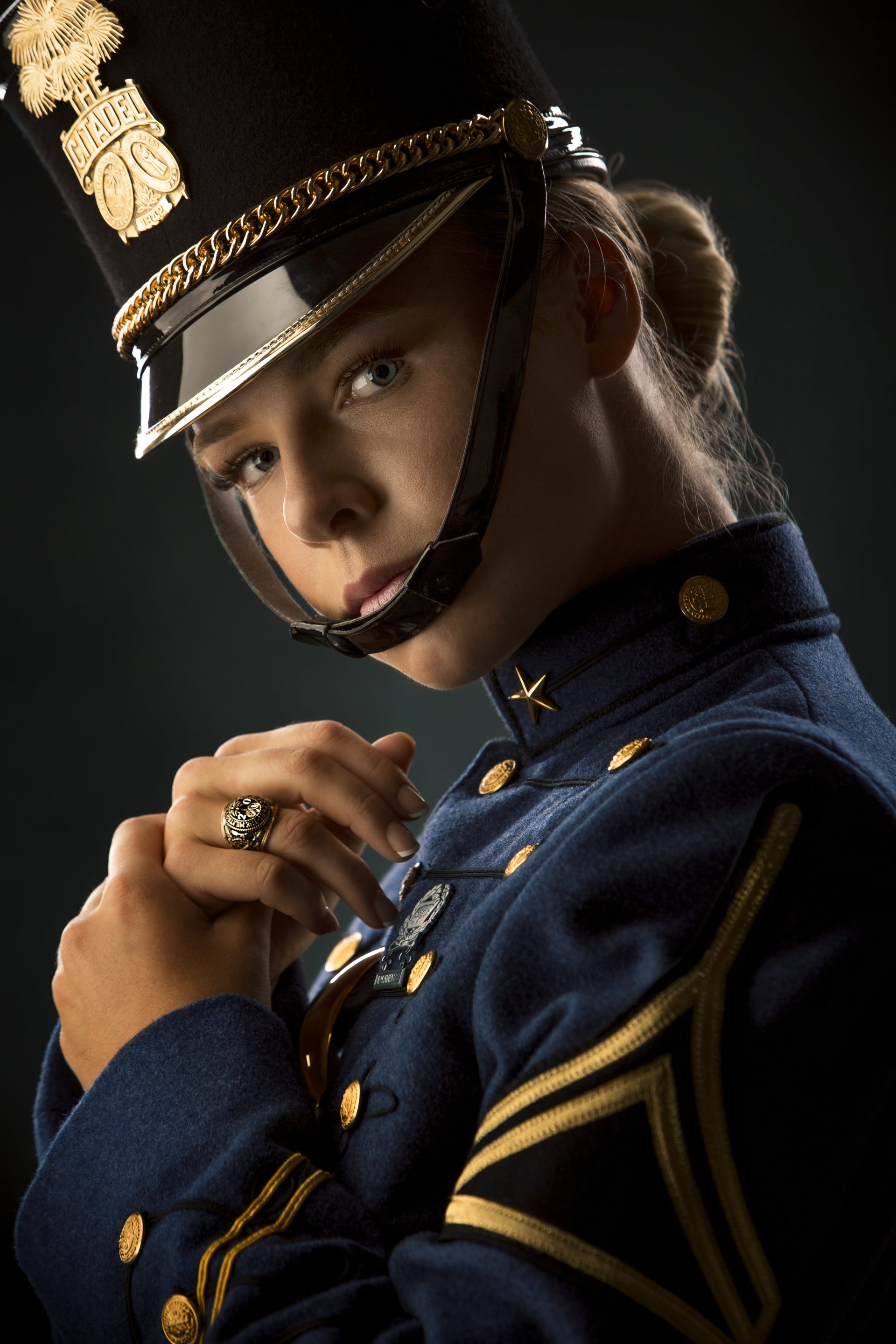
Perhaps that is the deeper purpose of all enduring visual art. Not to flatter vanity. But to remind human beings that they belong to something older, larger, and more meaningful than the loneliness of the present hour.
For every life becomes part of the great portrait eventually. Every soul leaves brushstrokes upon the future. And so the viewer stands once more before the portrait in the quiet half-light.
The old frame remains motionless upon the wall. Dust still drifts slowly through the afternoon glow. The painted eyes — or photographed eyes — continue their patient watch across the years.
Yet nothing is quite the same now. For the figure within the frame no longer appears trapped in history. The portrait has begun to breathe.
Not with life in the ordinary sense, but with continuity. With inheritance. With the accumulated weight of endurance carried quietly from one generation into the next.
And somewhere within that silence arrives the final understanding: The portrait was never only about the one being seen. It was always speaking to the one standing before it.
The light proudly shouts. The shadow illuminates.
And between them, human beings leave their trace against eternity.