SKY-HIGH EXPECTATIONS
Paul de Lumen explains how he used Sony Venice 2s, practical lighting and a child’s point of view to bring John Travolta’s long-awaited directorial debut to the screen.
John Travolta’s directorial debut, Propeller One-Way Night Coach, is not just his directorial debut – but a passion project years in the making. Based on the Honorary Palme d’Or winner’s 1997 novel of the same name, the filmfollows the journey of a young aviation enthusiast and his fame-chasing mother across the skies from New York to California. Inspired by Travolta’s own life experiences, and featuring both the first-time director and his daughter, Ella Bleu, in minor roles, it was clearly important for the Hollywood icon to ensure this film was perfect – including visually.
Luckily, Paul de Lumen came prepared. “I had read John’s book and I was really drawn to the boy’s point of view and the wonder and curiosity that this boy had, which I think everyone can really connect to,” the DP explains. “From there, I put together a visual pitch deck with images that I thought would resonate with John, what I thought the film should look like, and I gave that to him before we had a phone interview. Thankfully, he loved it.”
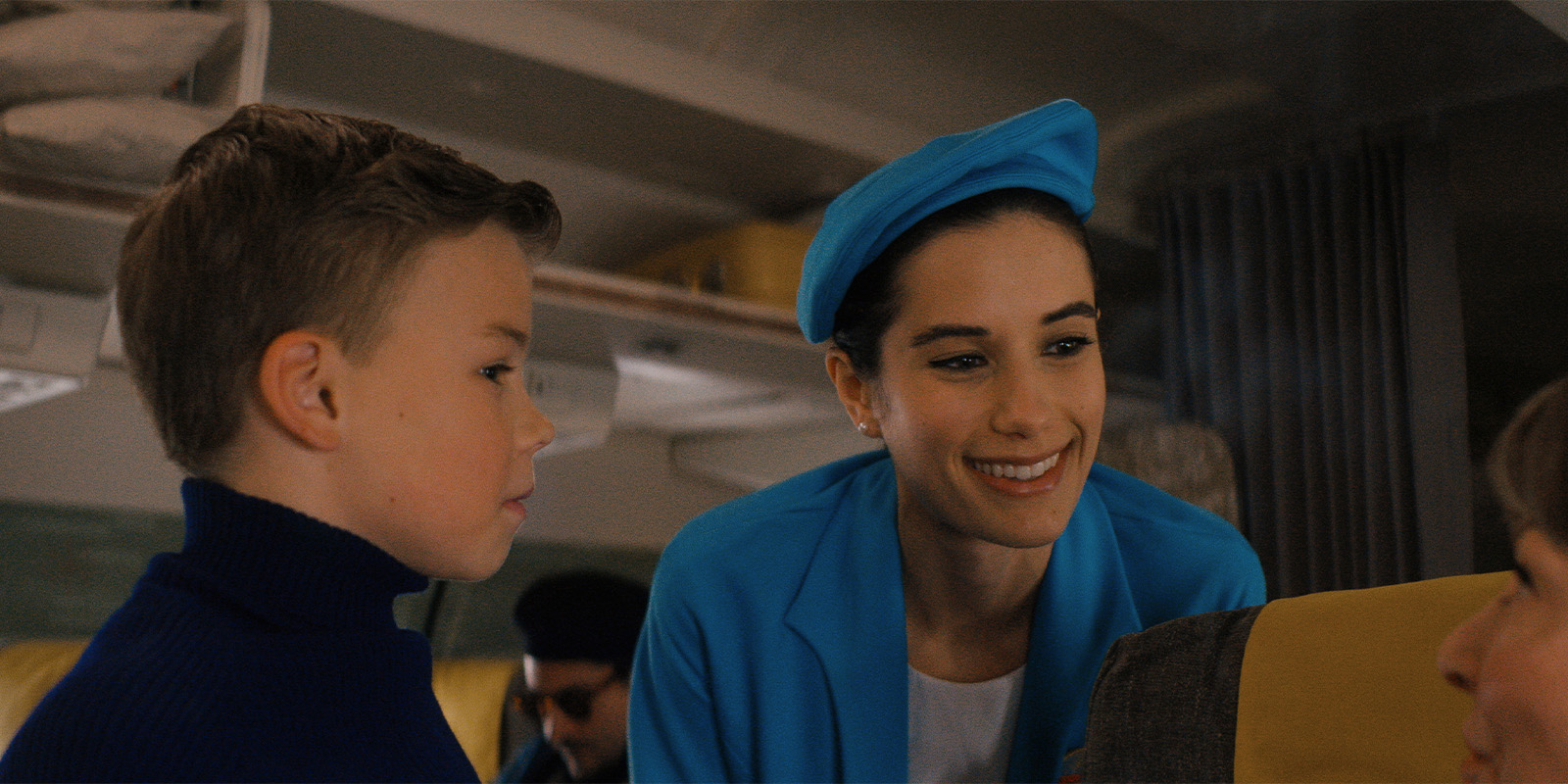
With the film taking place in December 1962, de Lumen used specific referencesthat aimed to encapsulate the feeling of the ‘60s – a time defined by technological advancement and the American Dream. “Within the deck, I had some of Edward Hopper’s work, the American painter, and scenes from Mad Men, the TV series that was set around the same time,” he muses. “I also really like the work of Janusz Kamiński on Catch Me If You Can.”
Getting ready for take-off
Having a distinct picture in mind was essential for ensuring a smooth filming process. With the shoot lasting just eight days across New York, LA and Kansas, efficiency and communication on set were key. Like de Lumen, Travolta was meticulously prepared. “John is a great communicator, and a great creative communicator on top of that,” de Lumen says. “We started walking through scenes and he was very specific about his frames, so I was very locked in, paying attention. He’s very good with checklists, because he’s a pilot and pilots have checklists before they fly, so he was so professional in that way.”
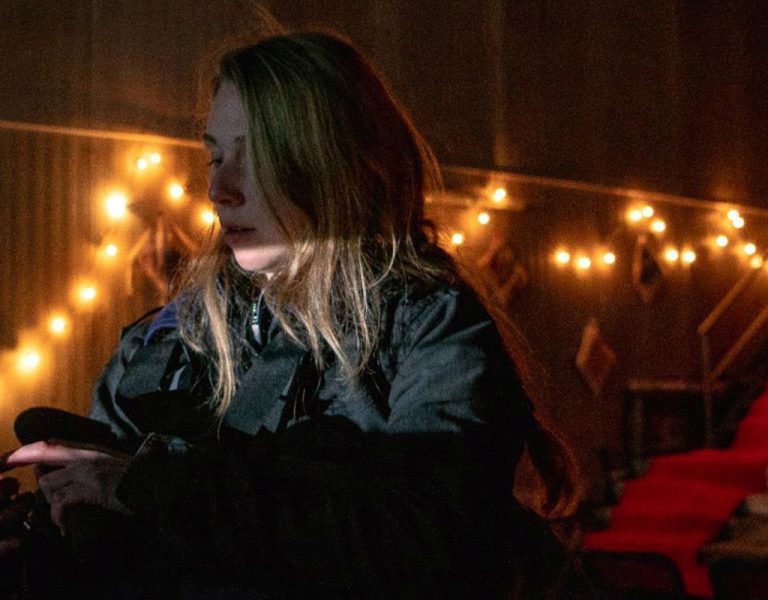
With Travolta vividly outlining his visual goals, de Lumencould focus on the specifics needed to bring them to life – and figure out how to navigate some unique locations, which included a genuine propeller plane. “I really appreciated John’s approach because it meant I could zero in on what lights I was going to use, what set-up was needed for his specific vision,” he explains. “I quickly began to realise that I would use a lot of existing lights, whether it was in the old plane that we were filming in, which had this beautiful row of incandescent diffused lights, or at the TWA Hotel, which still had a lot of the old ‘60s fixtures. So luckily for me there was a lot of production design already embedded into the locations that gave a great look.”
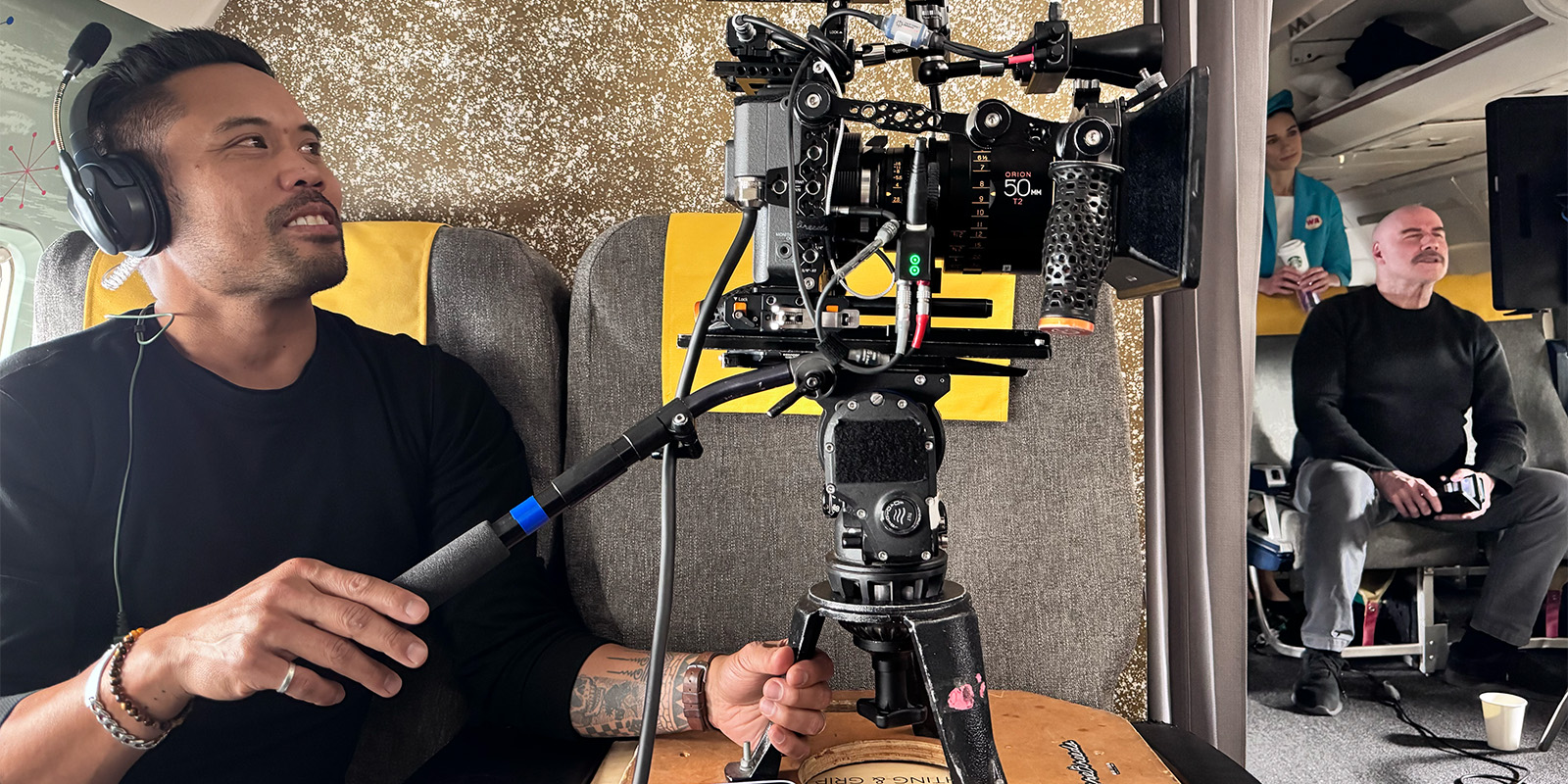
De Lumen continues, “I then had to think about using a camera that had good sensitivity, because I knew that I couldn’t be moving a lot of lights constantly while we were shooting because we’d lose time. I also wanted to be able to move quickly and easily, because in the aeroplanes there’s not a lot of space. So it had to be nimble enough to fit in through the seats and move around.”
In the end, de Lumen opted for the Sony Venice 2. “We had two Venice 2s – one that was bigger and built out, and a Rialto configuration with the detached sensor,” the DP explains. “I had a cable that would go to the body, which was about 40 feet long. That meant we could stash the body under a seat in the plane and I could use a smaller setup that was much easier to work with around the plane. The Venice was also useful for making the most of the existing practical lighting – I found that 3200 ISO sensitivity gave it a really nice look.”
Filming with flavour
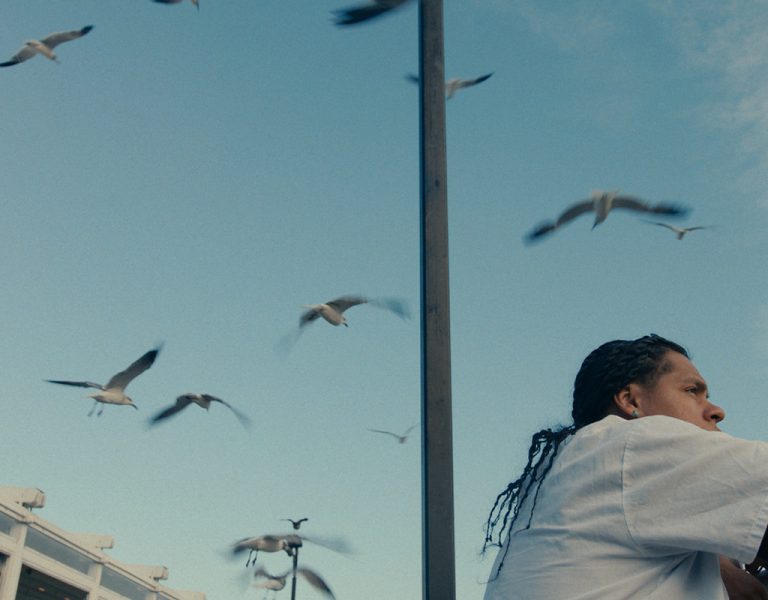
Pairing the Venice with Atlas Orion anamorphics – which the DP believes add “just the right amount of flavour” – and spending much of the film at the eye level of young Jeff (Clark Shotwell), de Lumen brings the childish wonder of Travolta’s story to the screen in stunning style, immersing the audience in this dreamy 1960s story from the very first frame.
This was enhanced by the colour grade, with de Lumen working with DIT Jason Zenito create a look reminiscent of Kodak Vision2 film stocks, adding hints of grain and colour saturation that became the basis for the overall look of the film.

It’s a look that Travolta was “very happy with” – one befitting of his magnum opus – with de Lumen and his director’s shared love of specificity helping to make each frame “really fun and exciting”. “John’s superpowers are his passion and his preparedness,” de Lumen concludes. “I really enjoyed working with him.”