
PUTTING PERFORMANCE FIRST
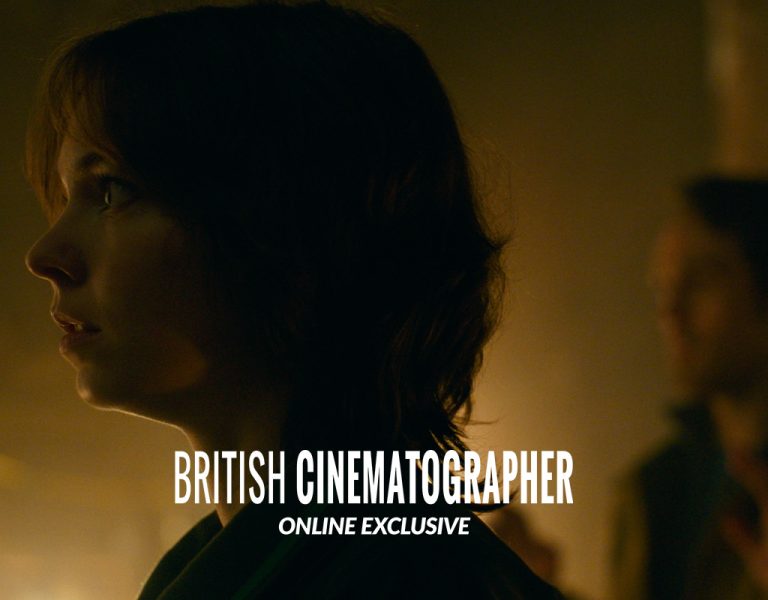
Showing at this year’s BFI London Film Festival, short film MAGID / ZAFAR tracks rising tensions in the heat of a busy Pakistani takeaway. DP Jaime Ackroyd explains how he and director Luís Hindman used simple lens choices and performance-led cinematography to increase its impact.
When I first read the script for MAGID / ZAFAR, I was taken by the power and emotion that was coming off the page. I was super inspired and knew this was a project I wanted to put my all into, to bring it to life and elevate it to the best it could be; so it was a big plus when Luís and I first met and I realised we shared many references and taste.
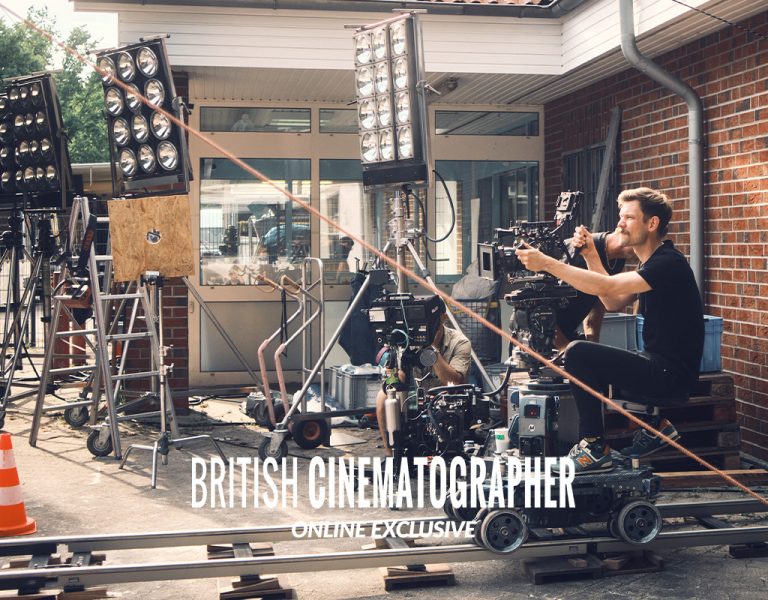
This shared love for certain types of social realist/magic realist cinema (Safdie brothers, Andrea Arnold, Kathryn Bigelow) informed us to make some very distinct parameters surrounding the visual language and the set environment we wanted to create. We knew we wanted to create a visceral and raw feeling to this piece of work, giving the actors the floor to dictate the pace and essence of the film, lighting mainly for 360 coverage, all handheld on-the-shoulder and using long lens Canon zooms to cover our scenes.
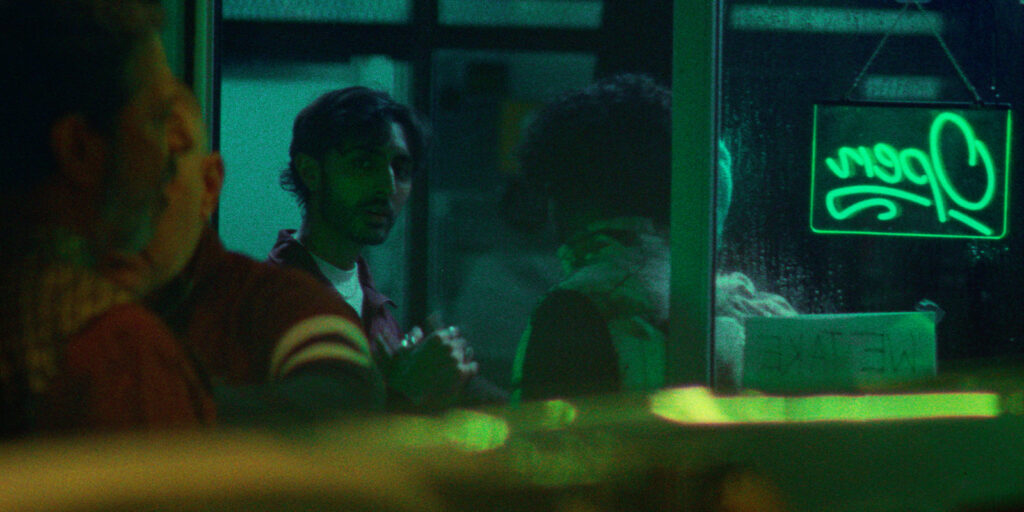
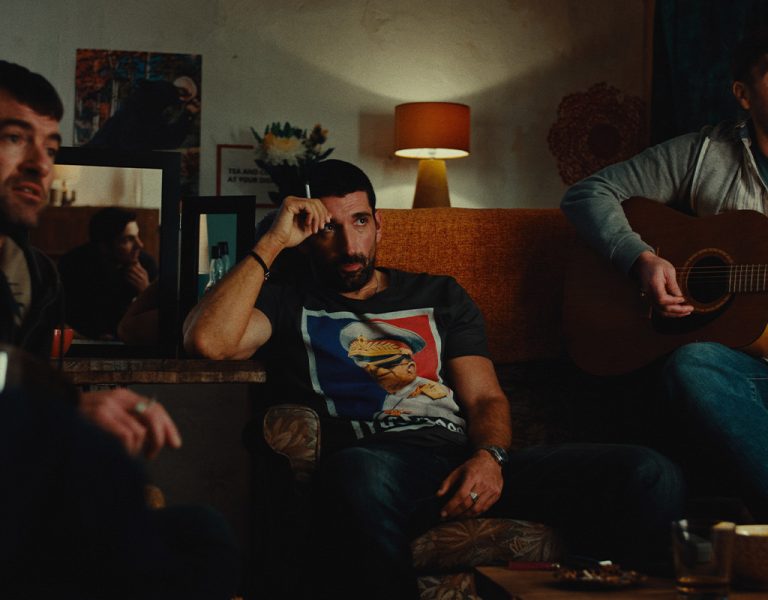
Adopting the principle of lighting spaces and not faces was a fun challenge that made for a lot of collaboration with Luís, me and the brilliant art director Luke Moran-Morris, who made my life so much easier by creating the most exciting and vibrant space using an array of takeaway signs and neon lighting, that felt colourful but still based heavily in reality. This gave me lots of motivation for secret lightweight LED lighting, which I placed above the eye-line of the camera and allowed the actors to have full control of the floor, not using marks or traditional blocking. We would only gently encourage the actors to move into the right spots for lighting, but without limiting them to feel stiff and restricted.
The use of 16mm allowed us to create this rich, intense feeling while giving us added discipline and concentration around the finite number of rolls we had, all of which made for the perfect combination for our on-set look and on-set practice, which created the perfect emotion and intensity on screen. This piece needed a high level of sensitivity and concentration over the four days, and shooting on film really demands that.
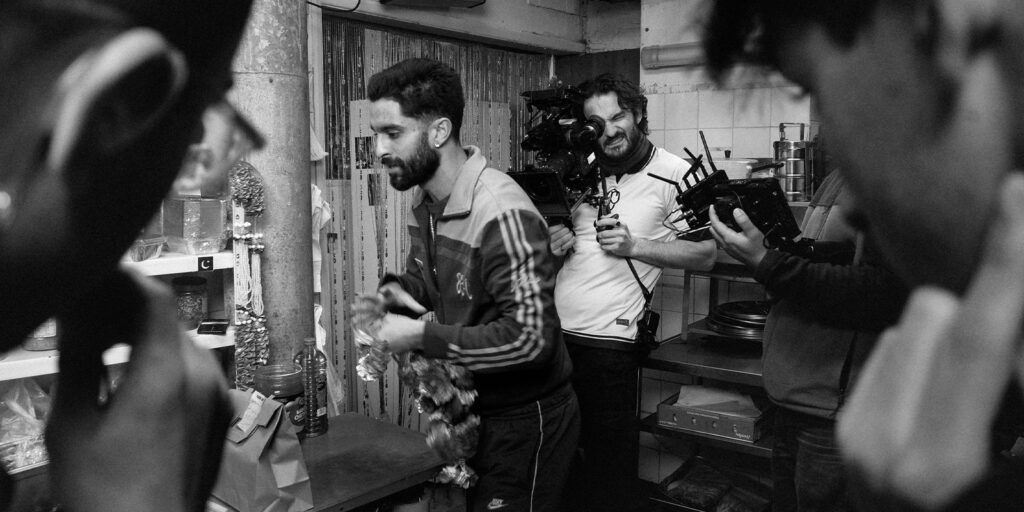
The highly frenetic first half of the film was shot on the lightweight Canon zooms the 8-64mm and the 11.5-135mm, so we could reposition the frame size during the take and move quickly to react to what was in front of us, without losing momentum on set or sacrificing the image. This was a very difficult job for our focus puller Anil Duru, who pulled focus seamlessly despite these challenging circumstances. For the final scene, we then switched to prime lenses, using the vintage Zeiss Super Speeds, which supported the approach of the last scene being simpler and stripped back.
In addition, with such sensitive subject matter, the set environment really plays a big part in the outcome of the project, so often we expect actors to bare their soul in front of a group of strangers without necessarily doing the same back. Luís and I felt very passionately about bringing the right people onto the job that would allow us to make the actors feel safe to access these intense and vulnerable emotions on screen, and to do this, we would brief the crew about how to operate in the best way to facilitate this, which made for a beautiful experience, especially on the final scene. Testament to this, we even had people crying by the monitor because what we were filming was so powerful, but also showed the sensitive nature on set that we had created.
I was very proud to be a part of this project, and was incredibly lucky to work with Luís Hindman, who is an incredibly meticulous director who vehemently fights for his vision but who also gives freedom to and empowers his HoDs to make bold and brave choices and encourages very instinctive and reactive cinematography, which for me is the perfect relationship with a director and shows in the film, as we were all at the top of our game because of him.
MAGID / ZAFAR is available to stream for free on the BFI Player.