



International Film Festival Rotterdam’s Hubert Bals Fund has announced the 10 projects selected for the pilot edition of HBF+Brazil: Co-Development Support.
This is “a unique new collaboration” between the Hubert Bals Fund and leading organisations for the promotion of cinema in Brazil: Spcine, RioFilme, Projeto Paradiso and Embratur, the Brazilian Tourism Board, which HBF has newly welcomed as a partner to the initiative.
In this pilot year, 10 fiction film projects in development have been selected to receive grants of €10,000 each.
Each project is directed by a second or third-time Brazilian filmmaker with a Brazilian production company attached.
Reflecting the geographical scope and mission of the HBF+Brazil partners, the 10 grants support filmmakers and producers across Brazil, with four grants each for projects connected to São Paulo and Rio de Janeiro, including collaborations where producers from São Paulo or Rio de Janeiro work with filmmakers from other cities.
Two projects from the rest of Brazil are supported through Projeto Paradiso and the latest collaborator on the initiative, Embratur, the Brazilian Tourism Board, whose participation makes this 10th grant possible.
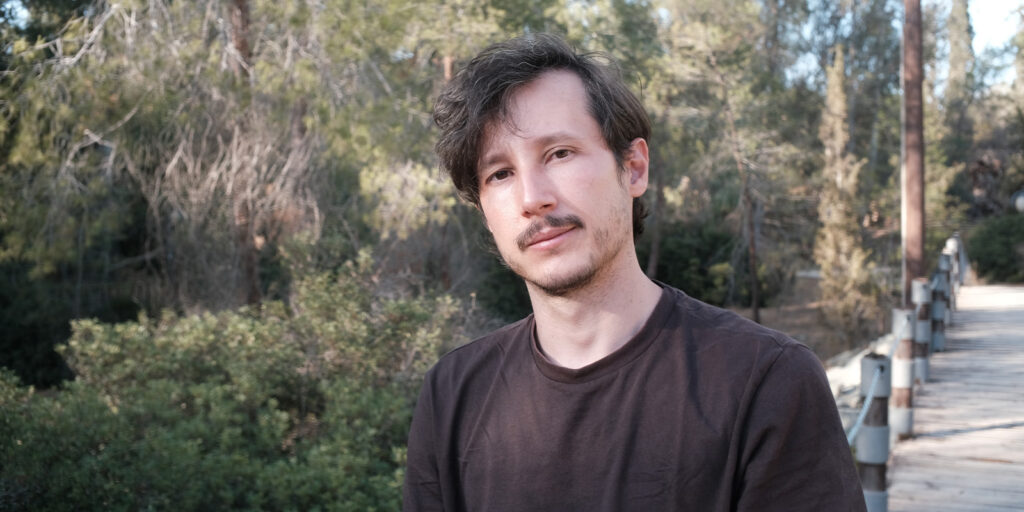
Additionally, the screenwriter of one of the awarded national projects, Madiano Marcheti, was selected to enter the Paradiso Talent Network – which brings together professionals supported by the philanthropic organisation in their career-building efforts.
Marcelo Freixo, Embratur president, said: “We are very pleased to be part of this initiative. Embratur believes in the power of audiovisual content as a strategic platform to promote Brazil’s image, culture and destinations abroad.
“By encouraging the diversification of production hubs across our country of continental dimensions, we help ensure that Brazilian diversity and authenticity gain increasing visibility on screens around the world.
“Our administration has expanded investments to support national productions in reaching international audiences. This is another way to promote Brazil and strengthen tourism, which remains a key driver of income, jobs, and revenue for our country.”
The awarded projects are listed below.
- Bicho, dir. Madiano Marcheti, prod. Terceira Margem, rest of Brazil (director and producer)
- Brasa, dir. Marcelo Caetano, prod. CUP Filmes, São Paulo (director and producer)
- Enquanto não voltam, dir. Anita Rocha da Silveira, prod. Kromaki, Rio de Janeiro (director and producer)
- Irmã mais velha, dir. Rafaela Camelo, prod. Lupa Filmes, Rio de Janeiro (producer), director from rest of Brazil
- LAGUNA, dir. Maurílio Martins, prod. Filmes de Plástico, rest of Brazil (director and producer)
- Um longo despir-se, dir. Pedro Geraldo, prod. Alento, São Paulo (producer), director from rest of Brazil
- Múmia tropical, dir. Lucas Parente, prod. Besta Fera Filmes, Rio de Janeiro (producer), director from rest of Brazil
- Olhos de Yara, dir. Lincoln Péricles Pinto, prod. Quarta-feira Filmes, São Paulo (director and producer)
- Papiloscopista, dir. Carlos Segundo, prod. A Manduri, São Paulo (producer), director from rest of Brazil
- Sobre noix, dir. Luciano Vidigal, prod. Dualto, Rio de Janeiro (director and producer)
More information is available on the IFFR website.