ONE LOCATION, FOUR GENERATIONS
Speaking to British Cinematographer after his nomination for European Cinematographer at the European Film Awards, Fabian Gamper explains how he wanted Sound of Falling to feel like a visualisation of memory – using a single location across four different time periods to make it happen.
My process for Sound of Falling actually started before I read the script, because the special thing about this collaboration is that Mascha Schilinski, the film’s director and co-writer, is also my wife. I didn’t help with writing the script, but we talked a lot during its development. For all of her films, the process really starts with images, and with places and visual languages. So that is very much part of the origin of the film from Mascha, and early on we discussed our approaches.
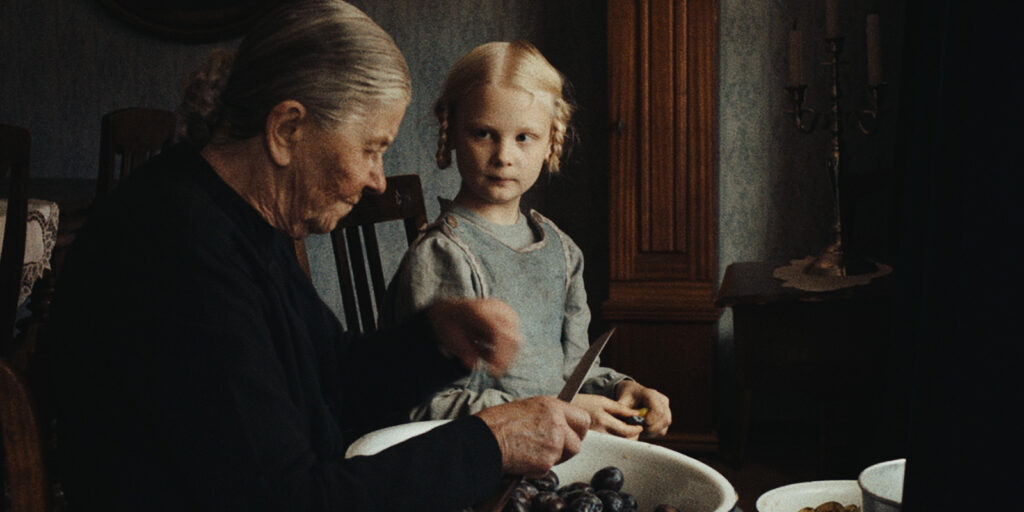
In terms of our inspirations, what was really important for us was to make a film that feels like and looks like a memory. This isn’t a classic story with a traditional structure, it’s more like different episodes featuring different people, jumping through different times, and then having a connection between them.
Memories in motion
The whole idea behind Sound of Falling was to create a film that feels close to how memories are. You don’t necessarily remember an important thing afterwards, maybe you remember a very ordinary thing that happened afterwards. Either way, the images you remember are not technically accurate or clear. You remember certain details, but you forget certain details. My best example for this is that when somebody dies that you love, you try to remember them but sometimes you lose the detail of their face in your imagination.
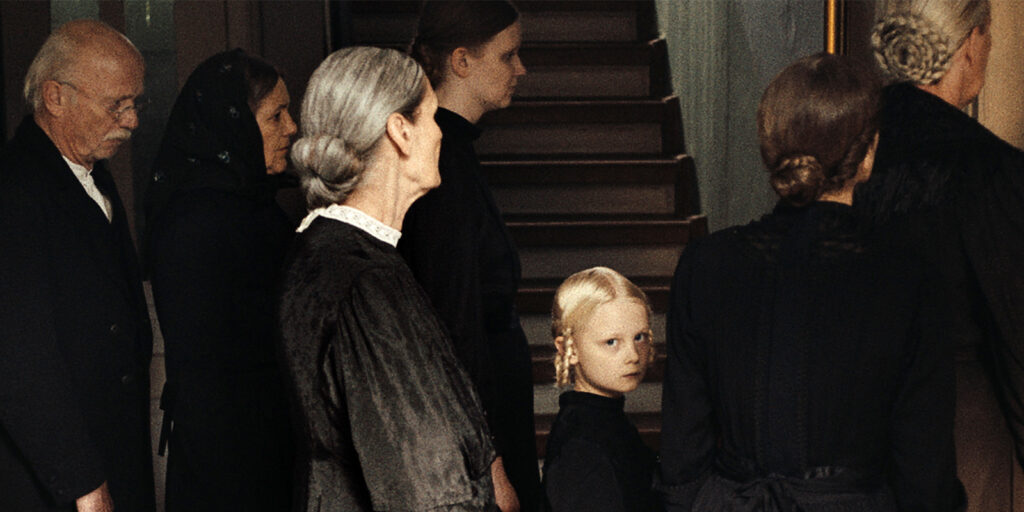
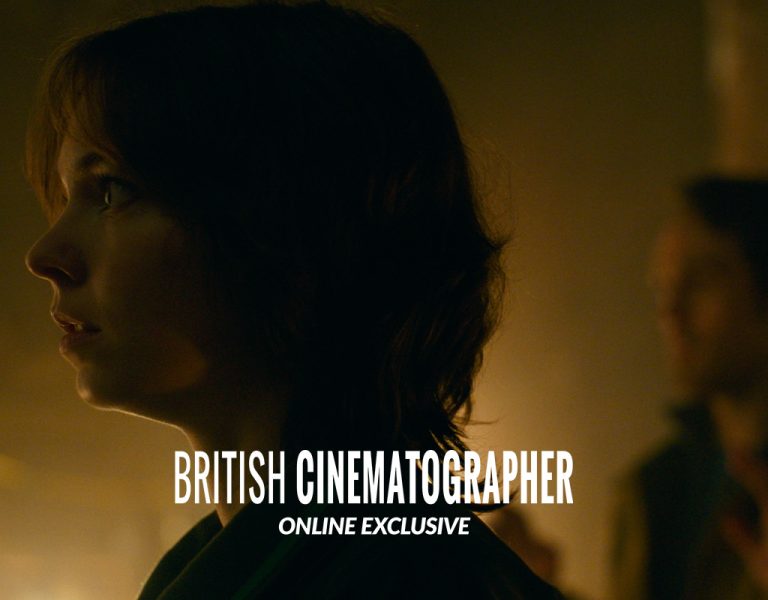
That’s where the blurriness effects come in. We have this image in the film where you’ll see the image of the grandmother who has passed away, and there is a blur effect on her face, and for me, this was really the key to finding the language. I did a lot of tests quite early on, and this idea of an image being slightly out of focus was the starting point. So around that, we started to create a special language.
A tale through time
From there, it was not about separating the four different periods, but more about treating them equally, as if there was no real difference between them or as if they almost take place at the same time. The idea was to almost explore, what if time didn’t exist and those things all sort of happened together? Often, in the film, the camera sees a scene from a certain perspective and then travels through the building and ends up in another time. We wanted the camera to have the possibility to go around curiously. For this reason, we felt it would be wrong to have very specific looks for each time or do the classic thing of having a story take place nowadays, and to then have a flashback with bleach colours or vintage lenses. We didn’t want that. We had a vintage lens look and we wanted it to feel nostalgic, but we wanted to have this equally across every episode. It’s as if everything is a memory – as if maybe somebody a thousand years from now is remembering all of these things.
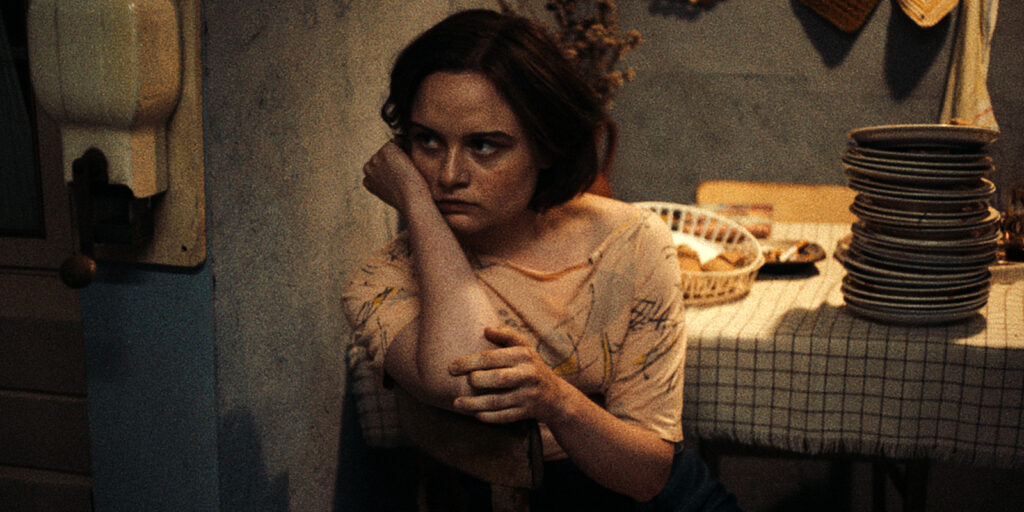
So everything is in the same kind of time zone. Obviously, we had to give the audience a hint around which time we’re covering, we want the different stories to be recognised, but we figured that out more through the sets, the art department, the costumes, and also the fact that the characters are doing very different things in the different times, like farming or using cell phones and so on. From these elements, it’s very clear that we’re at a different time.
Seeing the light
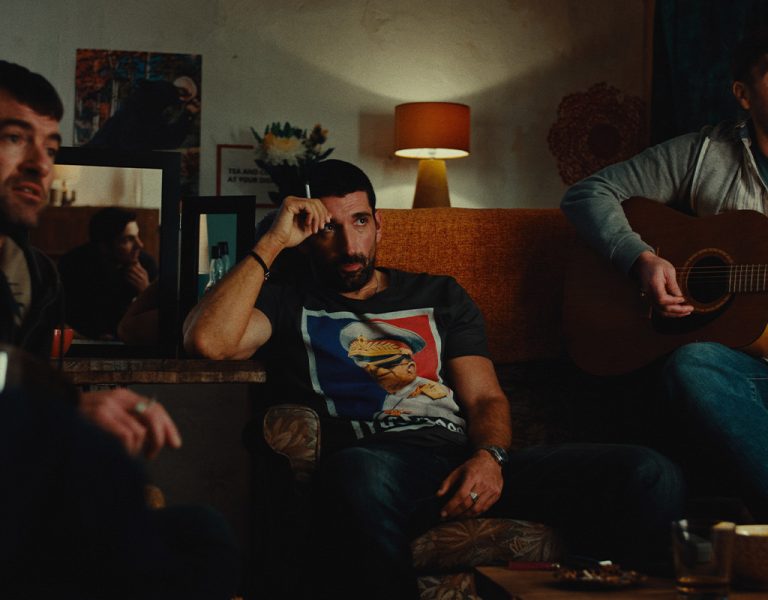
We also achieved this through the lighting. For example, for the ‘80s, we have fluorescent tubes installed. For nowadays, we would use cell phone torches. In the more distant past, we used oil lamps and candles. That in itself gives a very different look, but we really tried to stick to having a natural look regardless of the time period.
It was a last-minute call to get the gaffer, Oliver Geissler, on board, and it was only when I called him to talk to him about the film that I realised he was also Swiss. That was great to find out, because immediately we had a great shortcut by talking in Swiss German. In the short period before he was onboard, I spent quite some time on the actual location. I studied the lighting at different times of the day, seeing where the sun shines through and taking a lot of stills photographs, so I gathered a lot of material that helped me to lay the groundwork for a naturalistic and real look to the light.
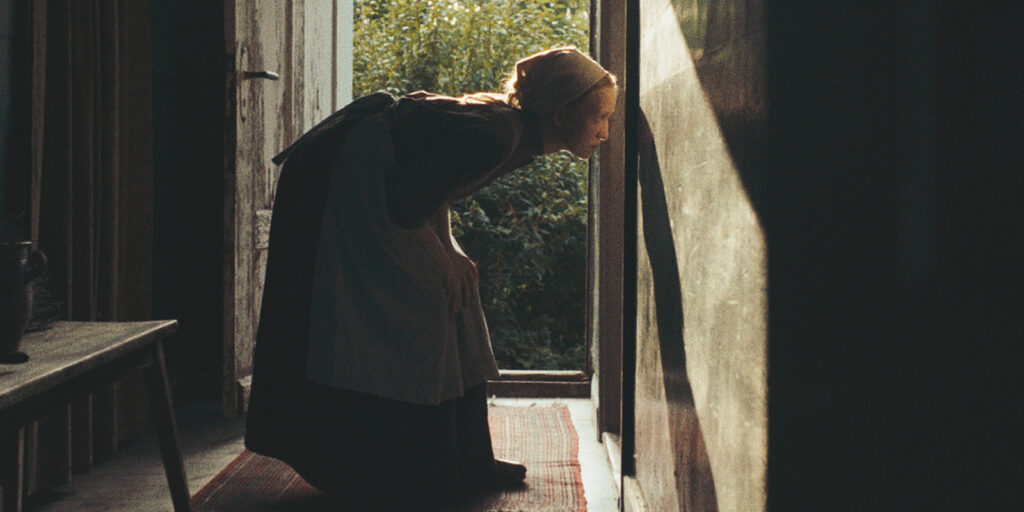
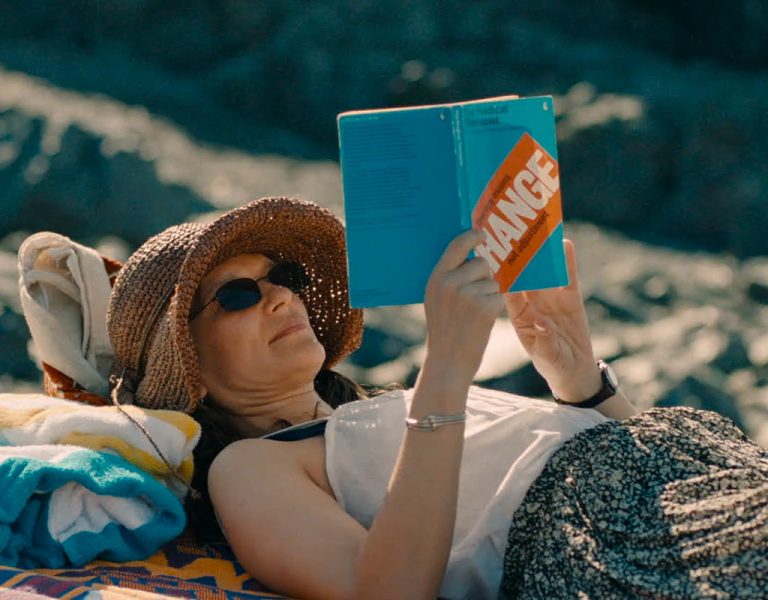
I’m very sceptical about hard lights mimicking the sun. I often don’t really believe in it. I feel like if you’re going for a more natural approach, it can quickly become cheesy, so it was really important to have those spots of real sun.
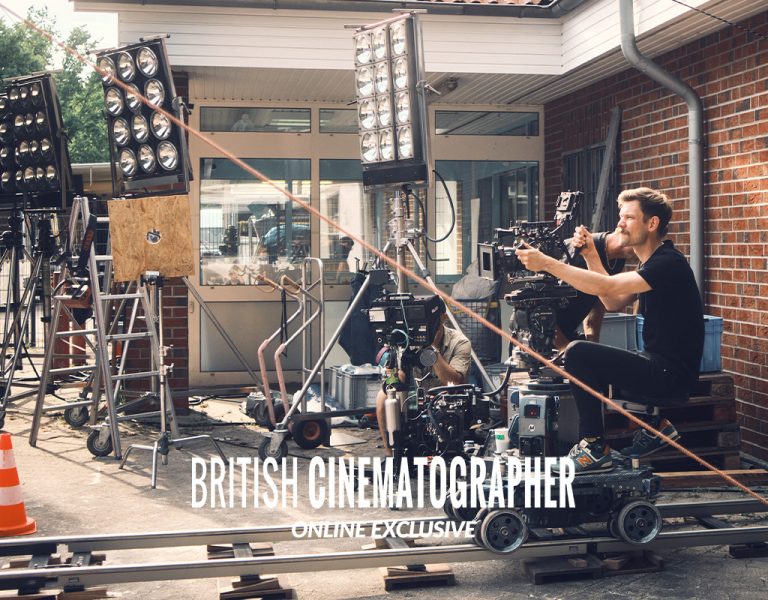
We had a good light package for a small film, but manpower-wise, it was a little on the edge for what we wanted to do. So we had to really sit down and find creative solutions for each set-up and how to achieve it best. This is especially the case given the fact that we had a very freely moving camera, so we couldn’t put much on tripods or many lights inside. It became more about adjusting the practicals and using bigger lights from outside.
We had a very classical set-up of three M40 ARRI HMIs and one M90, as well as one 4K. These were generally our strong workhorse units. And then we had a big collection of small LED panels. The approach was usually to create basic lighting as much as possible coming from outside, through 12×8 Butterfly frames with the HMIs, aiming to be as minimalistic as possible from the inside.
From cinematographer to star
We really wanted to shoot 16mm, but it was clear that, budgetarily, we couldn’t. Yet at a certain point I started to see a benefit in that, because it enabled me to really mix and match a lot of different effects. When I researched the effects we wanted, we found that we were able to generate a similar feeling to film but we could make it quite different at the same time. We had a library of options through which we could quite freely decide which to use.
The main camera we decided to shoot on was the ARRI Alexa Mini, simply because I was very much used to that camera and I felt very comfortable with it. Also, I liked the image quality. We did a heavy treatment afterwards with grain and defocusing and all of that, but even below that I feel that the Alexa usually looks a bit more natural and has less of the cleanness that other cameras provide. So it’s a common choice for me to work with the Alexa Mini, and it was brilliant for working with Steadicam, which I operated myself, so it was a no-brainer.
We combined the Alexa Mini with vintage Cooke S2/S3 (TLS) lenses, which we really loved for the look. We found these gave us a way more fitting look than the modern lenses with a way more homogeneous bokeh, which has more of a modern look to it. I also figured out that the Sony FX6 with a very high dual native ISO provides enough sharpness for me to work with, so I realised it was okay to mix those cameras. We also used Super 16 millimetre zoom lenses because we sometimes have shots where the steady camera follows somebody with a really strong zoom, emulating the human eye focusing.
Everything we did was to help have the presence of the camera acting as another spectator. So, in this way, you’re actually allowed to notice the camera as the audience. Usually, cinematographers are trying to hide the camera, to hide its movement, and if it moves you either move with the characters, or you might zoom in when the emotion is right, or pan to reveal more information but do so in a way that isn’t distracting for the viewer. You do the best you can to disappear as a human behind the camera. Here, though, we actually involve the camera as a kind of ghost travelling, and I almost become an actor at certain points, curious about everything that’s happening in this location.