SHAKE IT OFF
Every scene in The Testament of Ann Lee, following the titular leader of the Shaker Movement, is unique, stylish and supporting of its story. Yet one particular sequence – as Ann and her followers head on a stormy voyage from the UK to the US, breaking into dance as they call on God to secure their safety – epitomises the tonal and visual invention of the film better than most. William Rexer ASC explains why it was so important to include.
The Testament of Ann Lee appealed to me right away; I hadn’t read anything like it before. I read a few scripts a week, and quite often when I read them, I know exactly what type of film I’m getting into right from the first page. This script was not that.
Mona Fastvold and I knew we wanted to tell the story in an unusual way – we wanted to take the audience to the 1700s, we wanted them to get lost in the mystery of Ann Lee, and so we chose film as a tool because we knew how transportive it is. We shot on ARRI Alexa XT, Arricam LT and Arriflex 435 3-perf cameras. Our references included The Tree of the Wooden Clogs, an Italian neorealist film from the late 1970s, and we studied Baroque painters such as Caravaggio to form the lighting and look and feel of the film. We wanted to ensure that the audience was not having an experience that felt normal. It’s not what you’re usually seeing on TV or in movies. We wanted to be clear that we were in another place and time.
Stories by candlelight
One of our considerations for choosing our lenses was how much candlelight we would be using, and our desire for a consistent, pleasing bokeh. I always do a blind test with lenses. We put Amanda Seyfried – who plays Ann Lee – in the foreground, lit her, and then put candles in the background and shot eight different sets of lenses at different apertures. From that, we ended up using Sigma High Speed Cines – using Cooke S4s for second unit work, alongside an Angénieux 24-290.
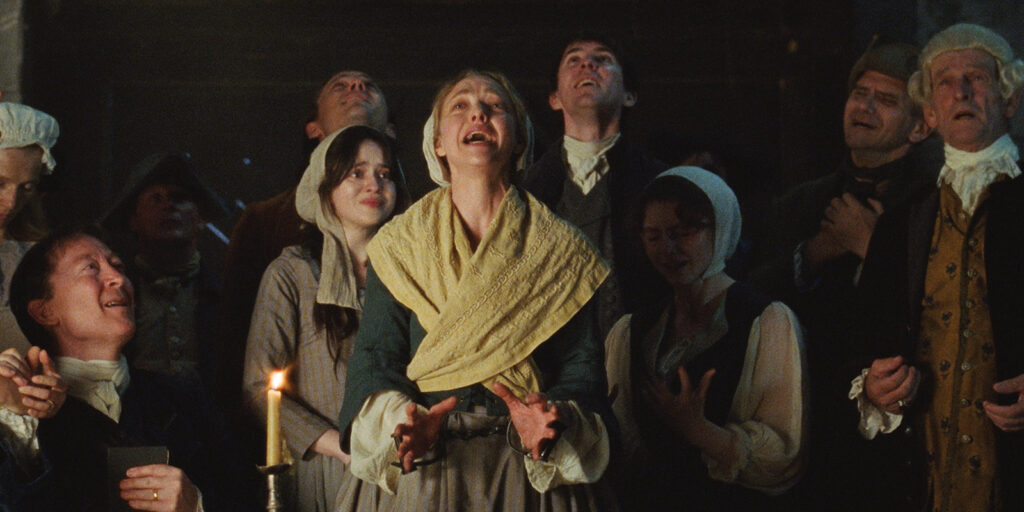
The ship segment of the film – both the dance sequence and in the underbelly – was always in the script. Budgetarily, there was pressure to drop the sequence or build the interior of the ship in Hungary and not travel. But Mona and the department heads went out for a weekend voyage to Sweden and found this ship, a replica of the East Indiaman Götheborg, which was docked in Gothenburg, and came up with a plan to do it in two and a half days and make it work financially.
Musical notes
Long before we began shooting in Hungary, we rehearsed in New York, and I still have those early rehearsals on my phone. I would shoot and block with Mona and Celia Rowlson-Hall, the choreographer, on the app Artemis. In NY, we discovered a balance between capturing the performance and being an active participant in the dance. The dance sequences on the boat were really the first material that we discussed and previsualised – trying to figure out what format to shoot and the overall style of the film. The shape of the choreography defined that we were going to shoot in a 2.40:1 aspect ratio.
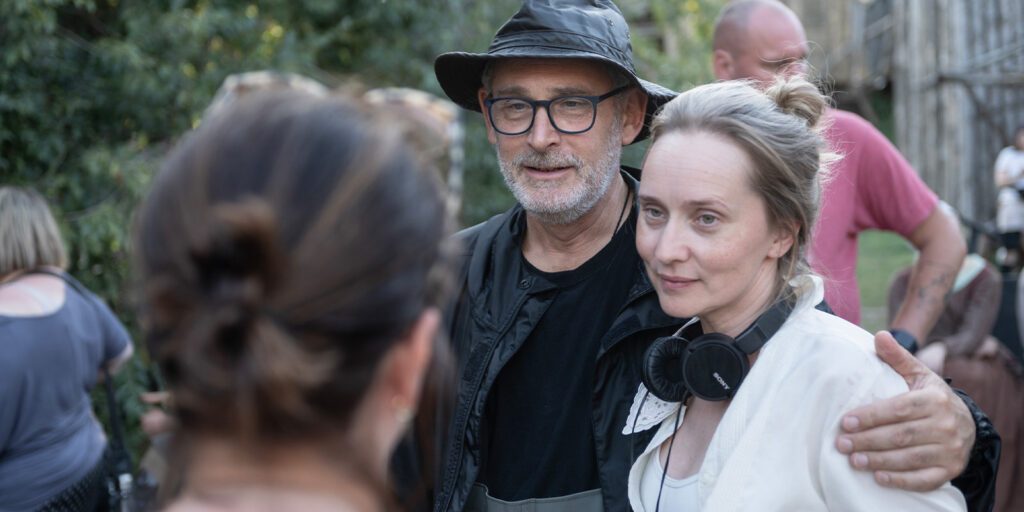
Planning the dance sequences in NY helped reveal the structure of the coverage for the film. The camera became both an active participant and a distant observer. You’ll notice throughout the film that the camera almost takes on the eyes of a believer and is with Ann, so it joins in the dances. From the planning in New York, I realised I needed to bring on somebody who was an amazing handheld operator, so we hired Sam Ellison – he knows dance and is so instinctual. Observing and respecting the choreography, showing the entire structure of the dance, was also important; quite often the best vantage point was from above – these discoveries from working with the choreography influenced the coverage of the non-dance sections of the film as well and created the language of the film.
Ship shape
Lighting a ship in a harbour for day and night, for sunny and stormy weather, and for various seasons was a challenge. The south side of the ship was facing the water. No options for controlling the summer sun. The north side of the ship was on the dockside; I put up light to counter the sun that was on the opposite side of the ship the whole time. We had four Condors with SkyPanel Xs, M90s and M40s with Litemovers. I would have obviously gone with larger instruments, but we went with what we could afford. We added instruments to the lifts that could do lightning strikes. I love the ARRI SkyPanel Xs – we had a lot of them – which created, as the light was going down, a beautiful soft push, and we really played with the colours dramatically on those for the various seasons.
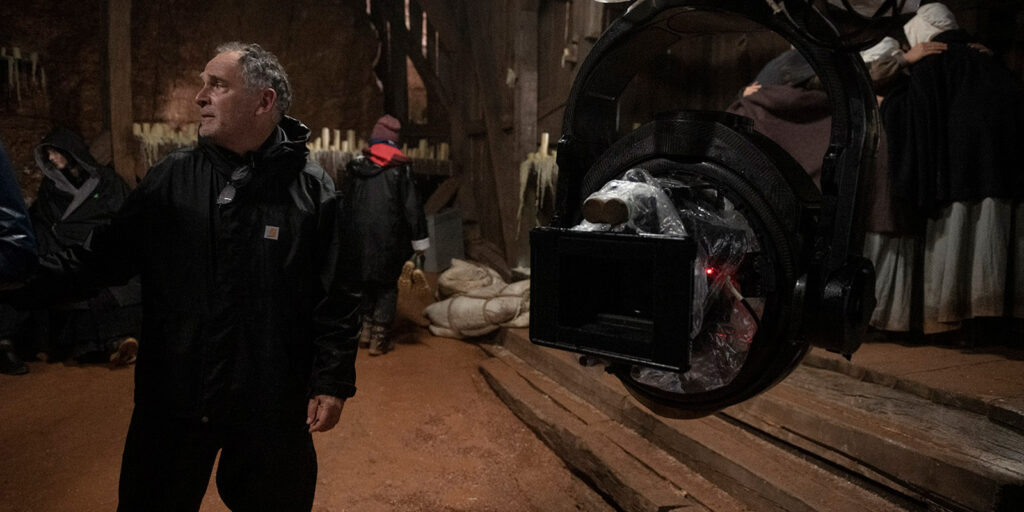
We essentially rigged everything for both day and night and used a great dimmer board operator. So I could say, “Turn all that off. I just want the SkyPanel Xs as three-quarter backlight now. Now I just need the HMIs on,” and we could do different weather looks very, very quickly. It was a great team.
The voyage segment of the film exemplifies the style and spirit of the movie in many ways and epitomises our experimentation and audacity. It also epitomises the challenges of a low-budget film; we were on the ship for two and a half days and we had to create all these different lighting environments and seasons, dance sequences and multiple dramatic sequences. It was a huge challenge, but one that we managed through a combination of teamwork, planning and exceptional leadership.