
FINDING COMEDY IN TRAGEDY
Director Neil Berkeley explains how he struck a visual balance between comedy and drama in Sundance Film Festival documentary Paralyzed by Hope: The Maria Bamford Story.
At what point in the process did the film truly “find itself” in the edit and how different did it look from the version you imagined on set?
The original goal was to have a film that was mostly verité. For lots of reasons, mostly that we wanted a more linear story, we ended up going with a more archive and interview assembly. For a long time it was just me filming and waiting to see what happens. It wasn’t until a year and a half into the process that we brought on the editor that ultimately got the cut in a good place to finish.
Was there a specific scene or sequence where the cinematography became the storytelling engine rather than the script or performances?
There are several verité scenes with her father that are truly touching. The camera is very quiet in these moments and the style really lets them be the emotion and comedy in the scene.
How did you manage rhythm and pacing when balancing emotional intimacy with narrative momentum in the cinematography?
One thing that Judd [Apatow, co-director] and I are very proud of is that we were able to strike a balance between the sometimes painful stories Maria tells and the jokes they became on stage. There are so many moments where she’s telling a gut-wrenching story and then follows it up with hilarious stand-up material.
The shooting style is very raw and intimate
How early were cinematography decisions influencing other post-production elements like sound design, music, or visual effects?
We intentionally tried to keep things very minimal. The graphics are simple, the sound design is understated and there’s no music. We talked about adding these elements a lot of times but every time we did it just felt heavy-handed. It worked best when Maria was the most interesting thing happening in the film.
Did the cinematography reveal anything unexpected about the characters or themes that wasn’t apparent during production?
The shooting style is very raw and intimate. I think the fact that we didn’t overthink the production value means the audience is allowed to feel like they are getting to know the characters on a very personal level.
What were the biggest technical or creative challenges you faced and how did your camera tools help you work through them efficiently?
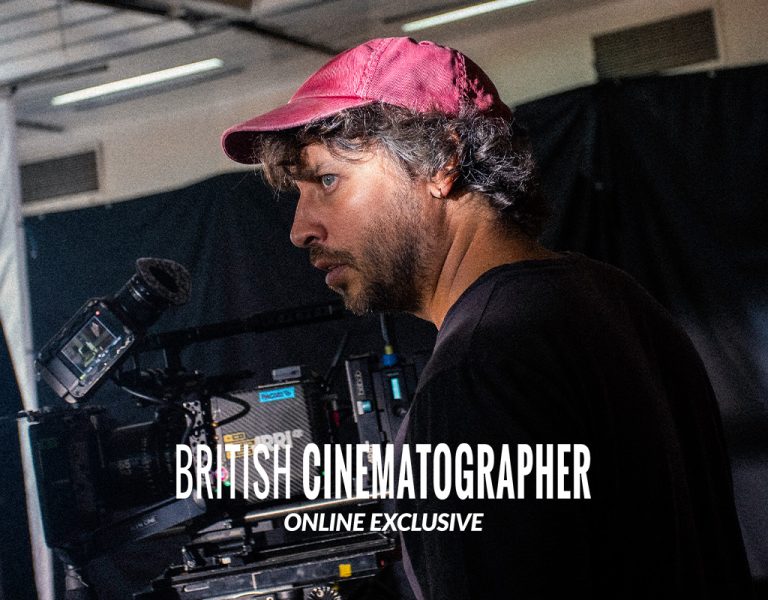
The fact that I am often working alone is always a challenge. I’ve built up a very small, efficient kit that I can have up and running in minutes. I use Canon cameras and lenses and they’ve become extensions of my hands. It’s a challenge but I think it really helps the material and, of course, the budget…
I think you always have to be aware that you’re working with another human being and often in their space
For films dealing with memory, trauma, or complex social realities, how did you approach ethical responsibility in the cinematography?
I think you always have to be aware that you’re working with another human being and often in their space. You have to be respectful and do your best to be aware of how they’re feeling. Of course, there are questions you have to ask and things you might have to ask them to do that might be difficult, but hopefully you’ve established some trust. Again, being a one-man band helps with this as there are fewer bodies around to make someone feel uncomfortable.