
FORCE OF NATURE
Jamie D. Ramsay BSC SASC mixed documentary-inspired footage with archive imagery to convey tension when retelling the incredible true story of the 72 hours before D-Day when the unpredictability of weather and one meteorologist’s forecast could have changed the course of history.
Translating history into cinematic form is a delicate balancing act of authenticity and creative interpretation. For cinematographer Jamie D. Ramsay BSC SASC, Pressure offered him the rare chance to explore both, combining a captivating and little-known wartime story with his skill in visual storytelling to convey the tension, human conflict and uncontrollable force of nature.
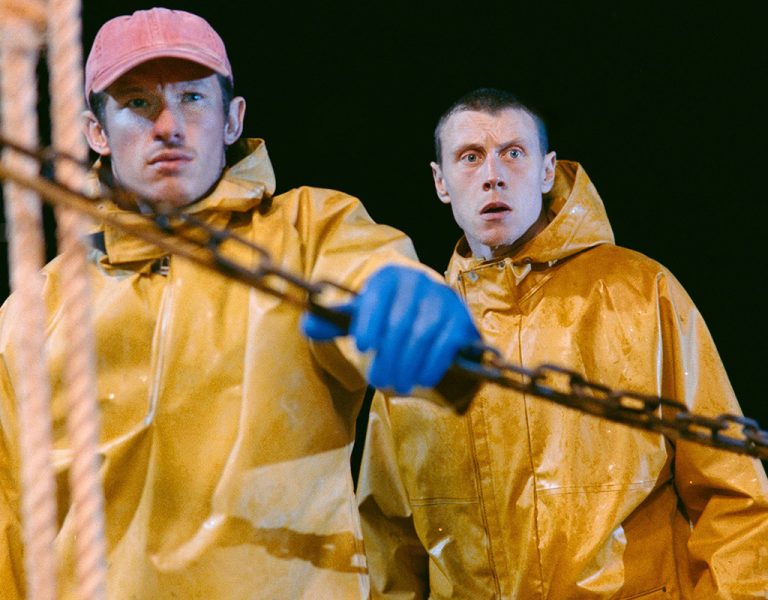
Based on David Haig’s acclaimed play and set in World War II during the intense 72 hours leading up to D-Day, Pressure shines a light on the meteorologists with the huge responsibility of predicting the weather conditions for the Allied invasion of Normandy. General Dwight D. Eisenhower (Brendan Fraser) and Britain’s chief meteorological officer James Stagg (Andrew Scott) faced an impossible choice: launch the largest and most dangerous seaborne invasion in history or delay and risk German intelligence catching on and in turn Britain losing the war.
With the success of this vast military operation depending on the volatile nature of the weather, Stagg must convince the entire Allied operations to trust his unconventional methods and alter their deployment plans, potentially risking the lives of millions.
Two worlds collide
To authentically reflect the film’s themes Ramsay and director Anthony Maras drew on archive footage and explored lens and camera movement choices at length. “I’m fascinated by period films because of the ability to reenact imagery with a slight modernity to your approach, but with the hindsight that allows you to really craft it,” Ramsay says.
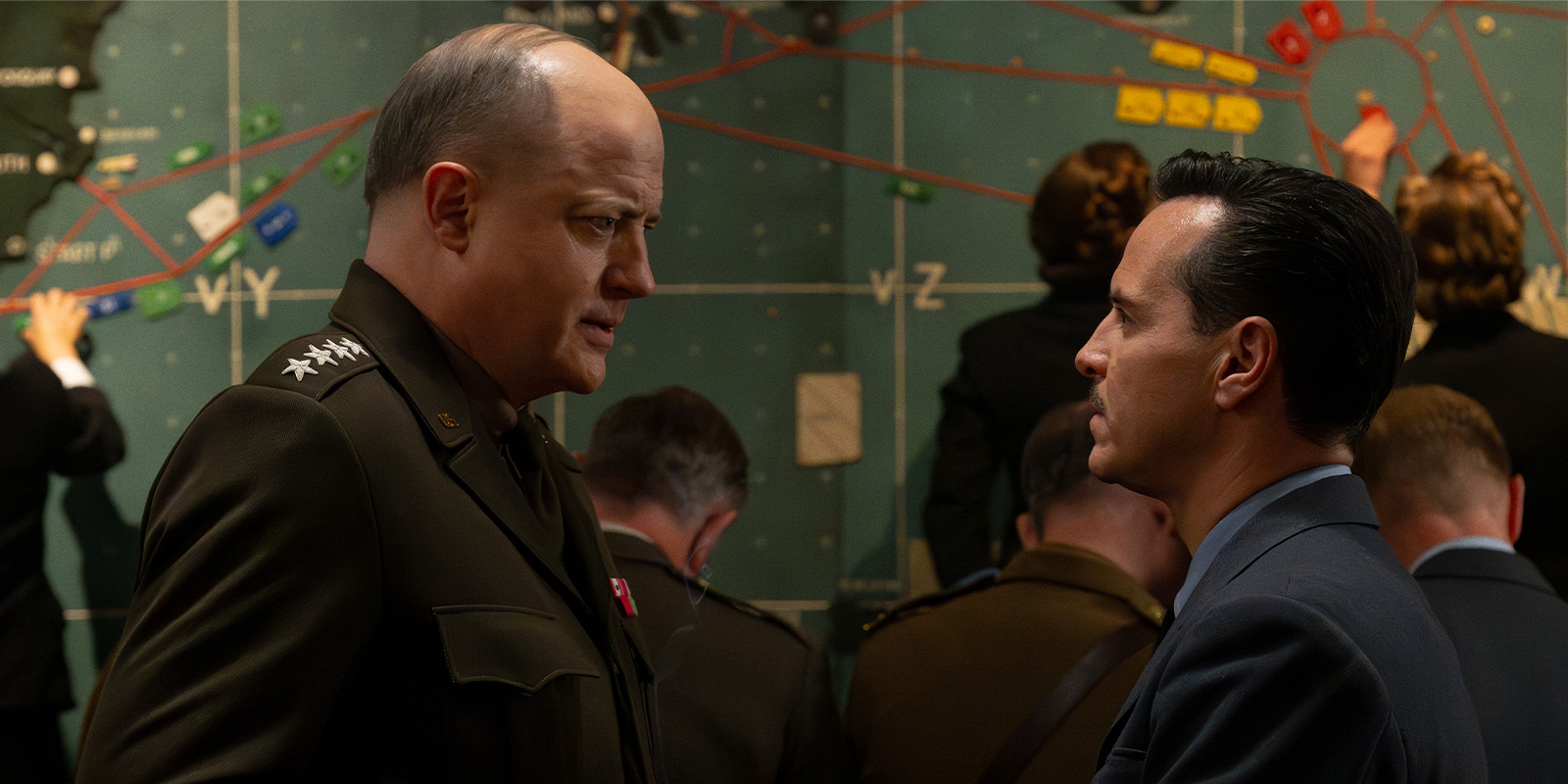
As well as the historical narrative, he was drawn to the thematic tension at the heart of the film and the pressure surrounding the irregular nature of weather forecasting. “I also thought it was interesting that in such a regimented institution that the war machine was, they were almost debunked by something as uncontrollable and organic as the weather,” he explains.
This contrast became a central visual idea for the cinematographer. “I thought it was such an unusual juxtaposition between the austerity and rigidity of the war machine,” he says, “and then in comes a meteorologist [James Stagg] who thinks completely differently and represents an alternative perspective. It’s the collision of those two worlds that I found most fascinating.”
Incorporating archive
Ramsay’s involvement in the project came through a connection with producer Lucas Webb with whom he had discussed another project before the pandemic interrupted plans. Although that earlier film never materialised, the relationship proved valuable when Pressure emerged.
“When Lucas received the script for Pressure, he reached out and said he thought I’d be great for the film and would love to introduce me to the director,” Ramsay says. “Then the courting period between you and the director starts. Anthony and I seemed to have a very similar approach, our energies matched and it felt like a good collaboration.”
One of Maras’s earliest creative requirements was the extensive use of archive material and for it to become an integral part of the film’s visual identity. This shaped Ramsay’s cinematographic approach as the director “wanted to lean upon archive to give the film weight, scale and a sort of historic depth”.
When incorporating archival imagery it needed to blend seamlessly with the newly shot material. Ramsay elaborates: “The way in which I shot it couldn’t be alien from the sensibilities of the archive footage otherwise it would stand out too much.”
This led him to imagine the visual perspective of wartime photojournalists as he wanted it to “feel as if it originated in the same sort of headspace you would be if you were a documentary photographer covering the war”. While Maras did not want the film to feel like a documentary, he did want to “retain the exploratory feeling of that lens”, so he and Ramsay constantly asked themselves where they would position themselves if they were documentary photographers in the war.
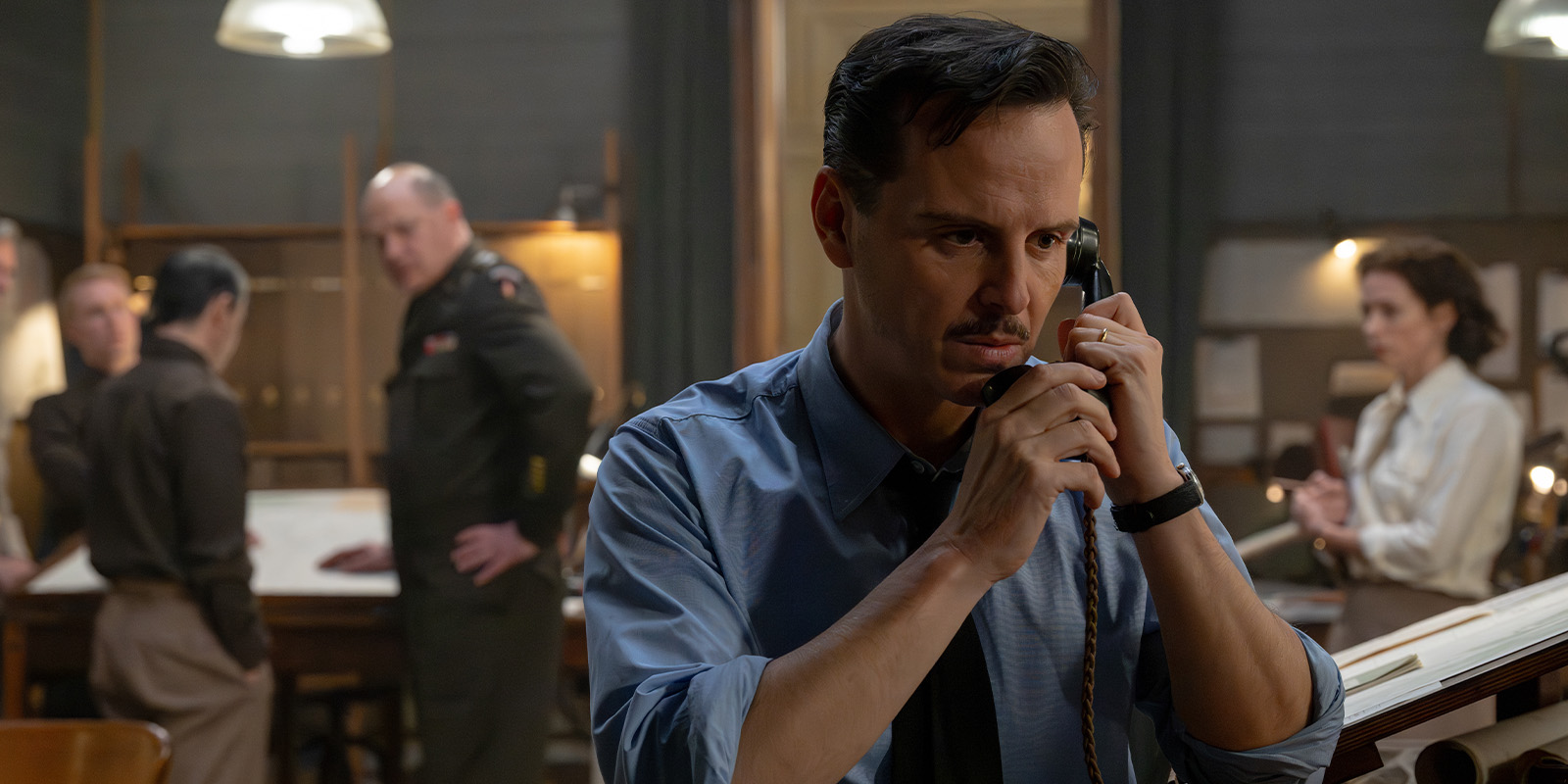
This philosophy influenced every technical choice, from lenses and aspect ratio to depth of field. “We opted to shoot on the ARRI Alexa Mini supplied by ARRI Rental and chose a functional 16:9 aspect ratio that fitted with the archive footage,” Ramsay adds. “I used Tiffen Black Pro-Mist filters throughout, sometimes subtly, sometimes heavier.”
Ramsay avoided the shallow focus often associated with contemporary large-format cinematography and “never wanted things to feel overtly soft in the background”. Instead, he shot with deeper stops of “around the 5.6 to 8 range for many scenes, similar to what they were doing back when the film is set, allowing us to see into the sets and the background”.
As many of the original images were black-and-white and required a recolouring process, the team at Adelaide-based VFX company Convergen devoted an extensive amount of time to studying how archive footage could be colourised and integrated with the new material, working closely with an archive team who searched for clips that aligned with the storyline and that scenes could be built around.
“A lot of the archive footage hadn’t aged particularly well, so there was also a process of quality checking. We did a number of rounds of tests on the recolouring just to see how far it could go and this also influenced how I lit the film,” Ramsay explains. “The results revealed an important characteristic: recoloured archive footage tends to have very generous mid-tones, and the latitude for grading later in the DI is limited.”
He therefore adjusted the film’s overall tonal structure. “I knew I needed to bring our acquisition image closer to that tonal personality which meant creating a more generous mid-tone in the film than I usually would,” he explains. “We still maintained strong black and white points, but there was always a conscious effort to let the mid-tone detail come through.”
Heart of glass
Lens selection helped align the new footage with the historical imagery and saw Ramsay conduct extensive testing across different formats and lens sets, including large-format lenses and Super 35 glass. Ultimately, he landed on the Cooke S4s, finding them to be “serious enough to not be non-pretentious creatively, but still have enough character to deal with the sense of age in a gentle and thoughtful way”.
Beyond technical considerations, Ramsay developed a visual approach tied closely to the character arc of James Stagg, describing his idea to the crew using a metaphor. “I said James is like a rock that reshapes the river. He’s constantly being beaten by the force and the rage of this river, but ultimately he’s able to divert it with persistence. I wanted the camera language to reflect his stoicism but also his organic thinking.”
The camera also mirrors this transformation through “moments where it is locked to Andrew and his gravity is the thing that moves it”. As Stagg becomes more respected and influential, the camera language evolves. “When I felt that Andrew’s character had gained a foothold, the camera loosens and begins to flow more organically, reflecting his decision-making style,” he adds.
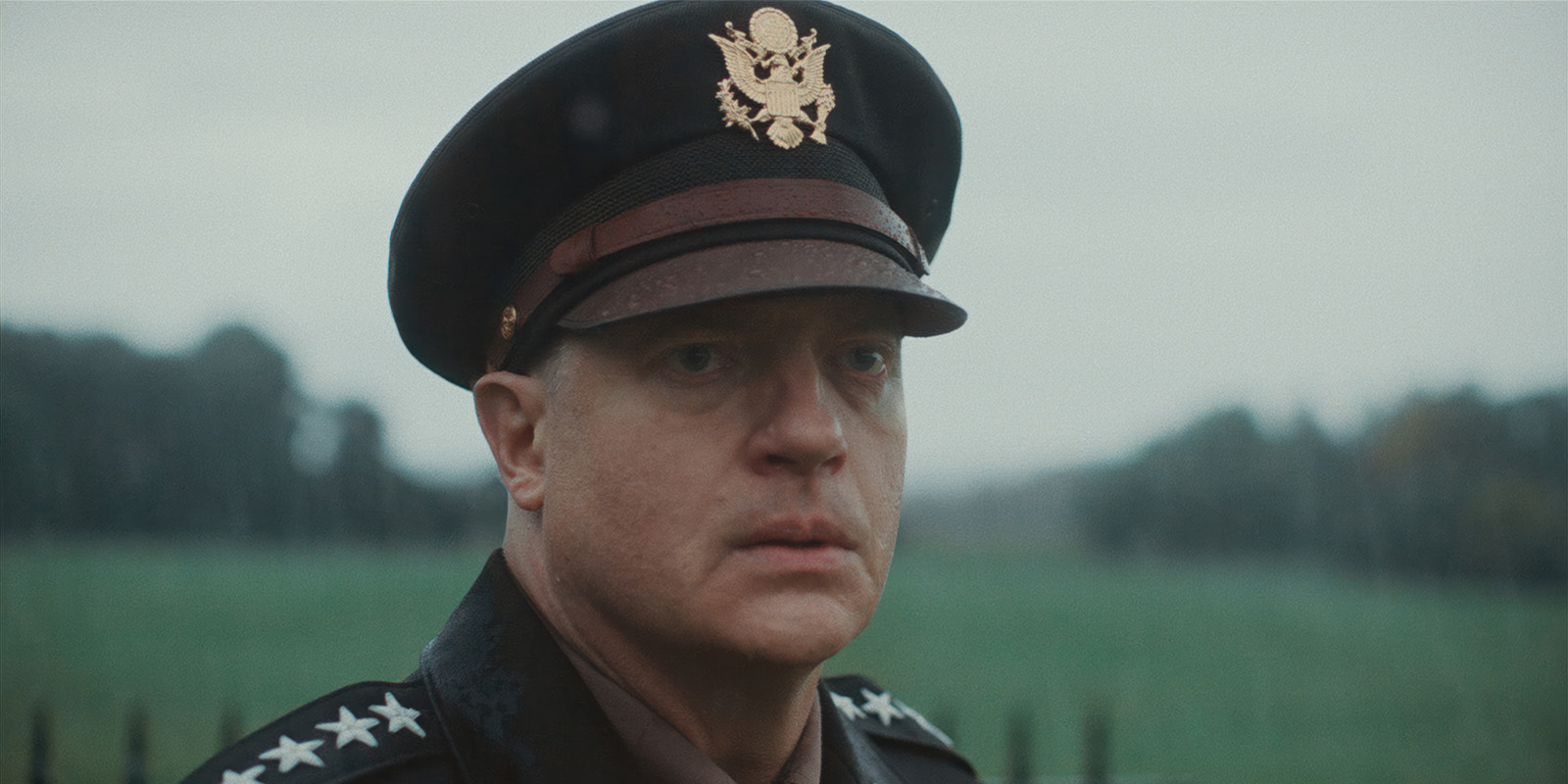
In contrast, the Allied war machine needed to feel regimented and structured, meaning compositions were more symmetrical and sometimes adopted slightly lower angles to create a sense of weight. Ramsay avoided isolating characters too much unless it served the scene. “That happened in some scenes with Andrew Scott, where his character is isolated and alienated from the rest of the war machine and this then became an aesthetic choice in how we shot the scene.”
Aerial footage captured by aerial camera operator Lee Thomaswas used to emphasise the scale of events and the idea of perspective which Ramsay and Maras discussed. “I described those shots to Anthony as almost God’s point of view—the weather looking down on humanity,” Ramsay says. “By getting high above the action, we could show how small human conflicts are compared to the forces of nature. Those wide perspectives contrast with the intimate character scenes.”
The reality of war
The contrast between the interior command spaces and chaos of combat also acts as a structural element in the film. “The interiors were the intellectual hub of the invasion and I wanted them to feel rooted, anchored and strong,” Ramsay says. “In many of those performance scenes inside these rooms the camera barely moves. It’s poised and weighted, with layered over-the-shoulder shots during the dialogue to tighten eyelines and amplify the intensity.”
The visual approach shifts dramatically once the film moves to sequences of soldiers in the battlefield. “That’s when the camera becomes much freer,” he adds. “We embraced handheld work, making the camera more reactive and organic. That contrast also reflects the claustrophobia of the command rooms. Everything was under embargo; no information in or out. Windows were closed because of bombings. It needed to feel hot, sticky and oppressive.”
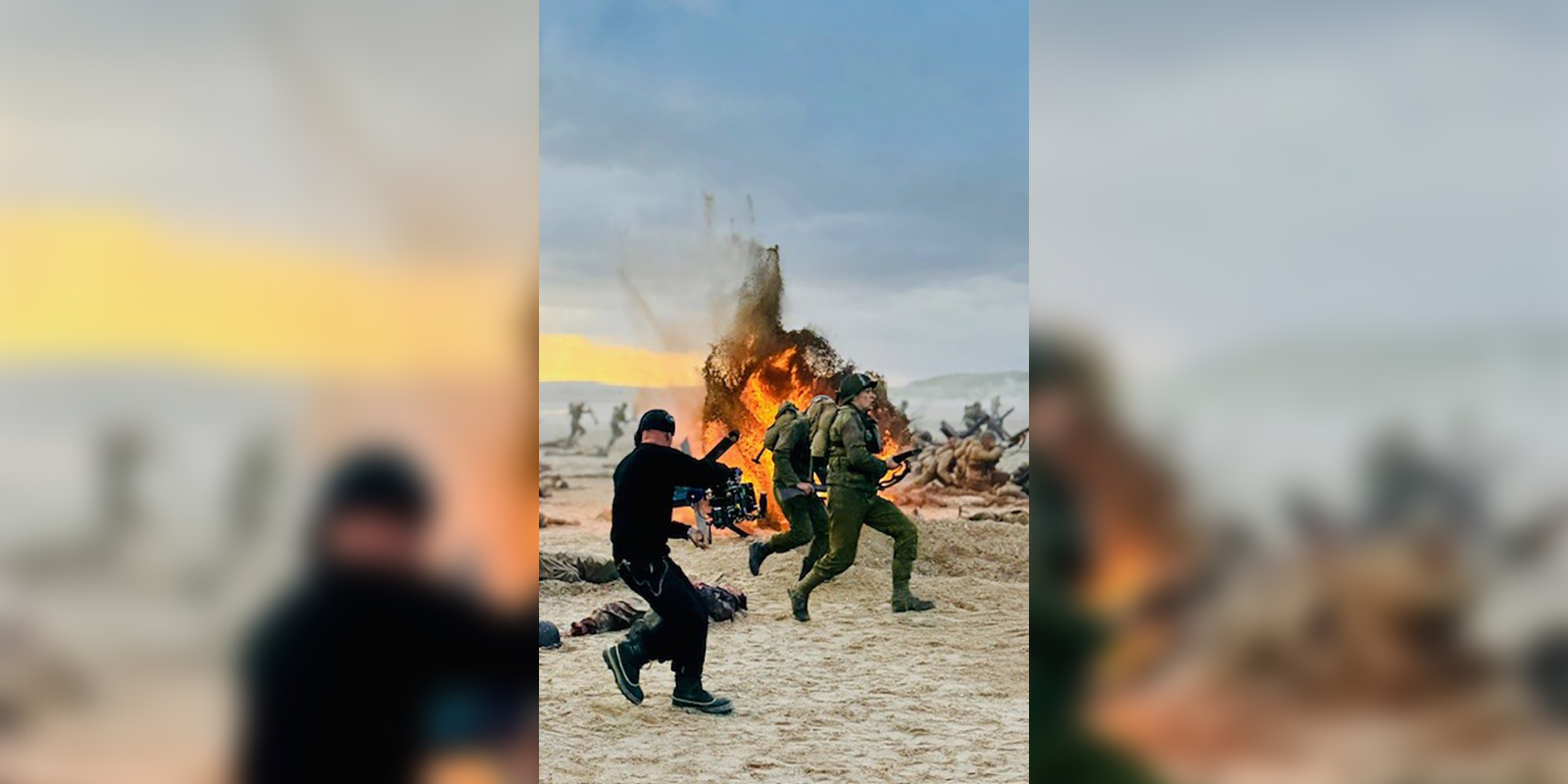
The depiction of fallen soldiers demanded a careful balance between emotional impact and observational distance. “There was a definite sense of a documentary approach in the back of my mind,” Ramsay says, who shot the battle scenes, while camera and Steadicam operatorOssie McLean ACO SOCshot sequences elsewhere in the film.
“The beach invasion sequence was important,” he says. “It’s been done brilliantly before; my favourite example being Saving Private Ryan (Cin. Janusz Kaminski). We couldn’t compete with that scale, but we wanted viewers to feel like they were inside the soldiers’ experience.”
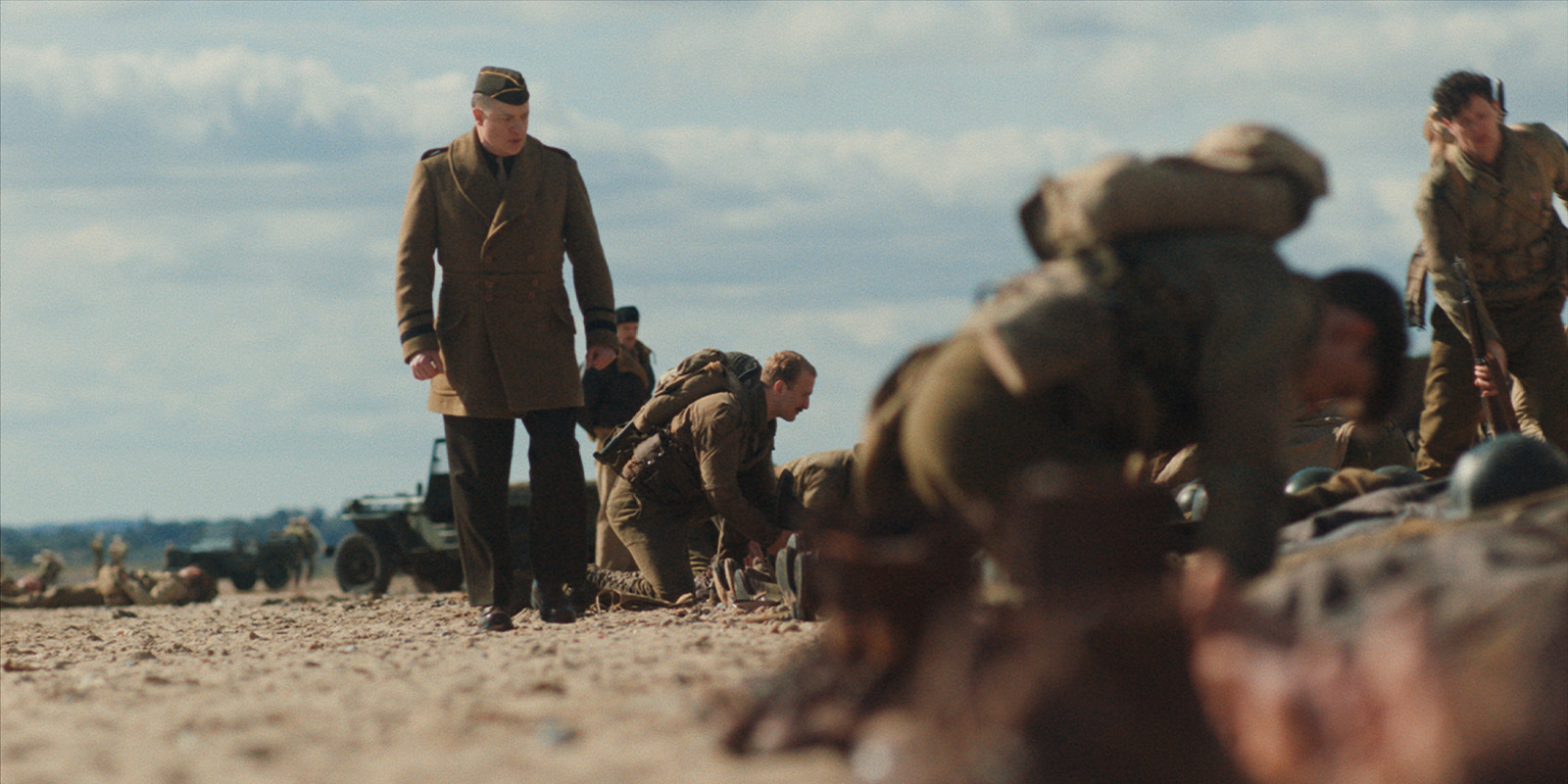
By placing the camera within the action and using reactive handheld movement, he created a sense of immediacy and panic. “Archive footage inspired the compositions and point of view. We wanted an exploratory lens but also a certain objectivity,” Ramsay says, praising his operators and strong second unit team. “When you’re dealing with war, there’s an objectivity that makes it colder than it should be. And perhaps that’s a commentary on war itself.”
The crew often ran two or three cameras, with around 15 per cent of the film shot on Super 16 using used Arriflex SR3 cameras with Kodak Vision3 stocks, including 250D and 500T, particularly the second-unit material of soldiers and transitional shots to help bridge the visual gap between archive footage and the digital footage. “Originally we wanted to do a full DFD [Digital-Film-Digital] process, but budget constraints meant we couldn’t so instead we worked extensively with live grain in the DI with colourist Trish Cahillbased in Australia where the post-production was done.”
Weathering the storm
Rather than blending into the background, weather is a character alongside the leading cast members or, as Ramsay puts it, “the driving force of the film”. The events at the centre of the story occurred during an unusually warm British summer, which is why Stagg’s decision not invade due to a predicted storm was viewed with such scepticism. To reflect the warm summer, early sequences of the film emphasise that heat and brightness.
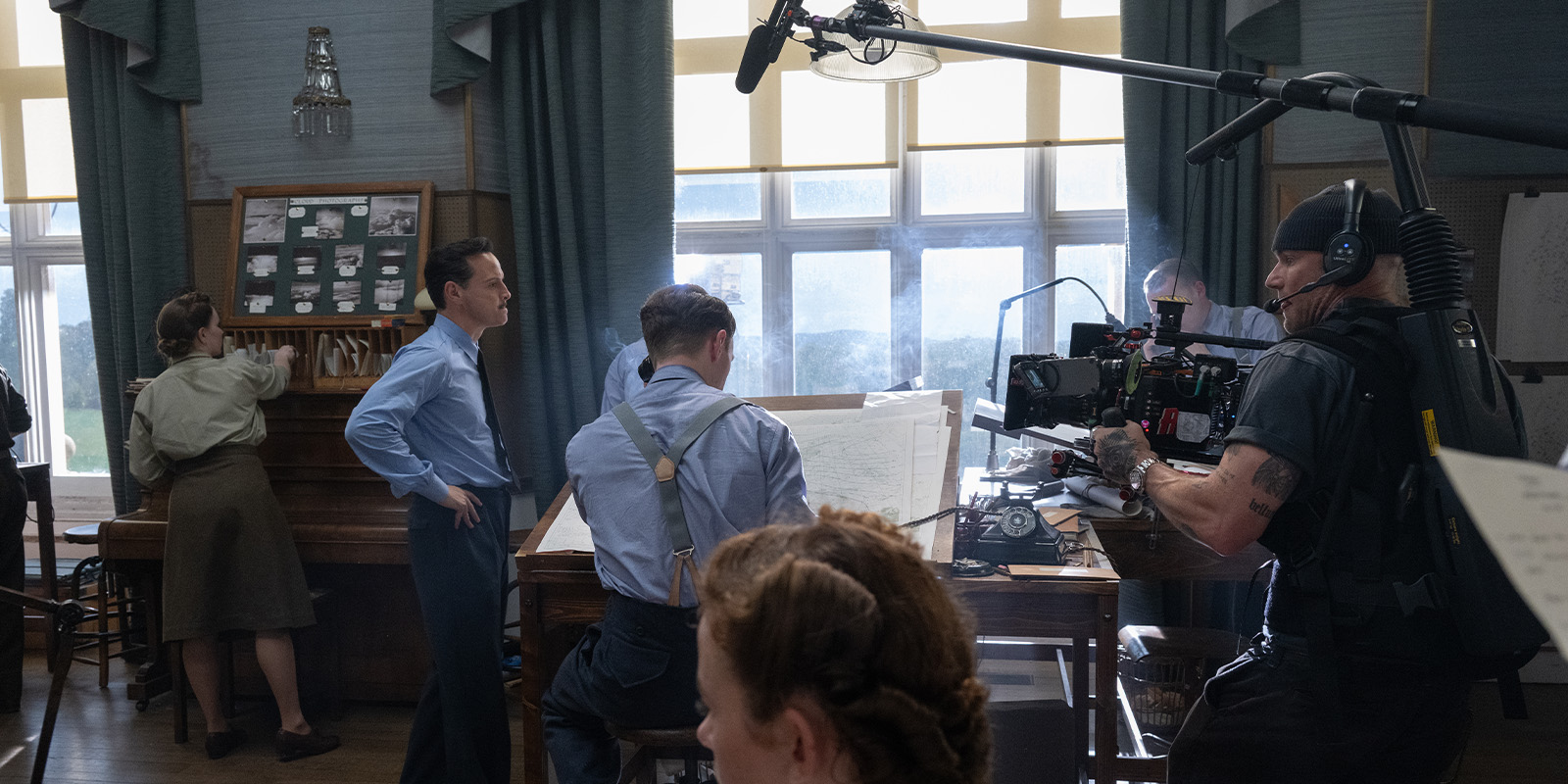
“Anthony wanted the first acts of the film to feel very hot, so we waited for certain weather conditions for exterior shots, and indoors we used strong hot light through the windows,” Ramsay says. “The windows were closed to enhance the sense of claustrophobia and we used cigarette smoke to create a heavy atmosphere.”
The significant shift in weather was shot in a single day but the conditions were far from ideal. “We had a beautiful sunny day but needed it to feel like a storm,” Ramsay explains. “So we decided to try to condense the rain side of the sequence in that sort of post-sunset light so VFX could take over and add clouds later and then the rain machines would help create the storm.”
One sequence of which Ramsay is particularly proud is when the change in weather occurs, Stagg loses hope and then the storm arrives. “The shift in light, wind and colour temperature mirrors his emotional state,” he says. “The eventual storm marks a dramatic change in tone as up until that point the look was high contrast and bright. Once the weather moved in, the tonal range became muted, cooler and cloud-filled.”
Eight weeks of prep were followed by an eight-week shoot, some of which took place at locations including the beautiful Hanger Hull Garden Estate in Ealing which doubled for Southwick House, the Allied headquarters where the invasion planning was carried out, Mentmore Towers in Buckinghamshire and RAF Halton in Buckinghamshire.
Production designer Daniel Taylor built “incredible sets” and transformed the estate building into the operational heart of the war effort, with different rooms representing various command spaces. Taylor also created wallpaper designs based on map topography, adding subtle thematic details to the sets. As well as using primary colours to define spaces, it was important that colour was historically accurate due to the uniforms and military badges and symbols featuring in the film.
“The whole house essentially became our studio,” Ramsay says. “We treated it as a living organism with different rooms functioning like organs connected by the flow of information.”
Additional sequences such as the battle scenes were filmed on beaches in Camber Sands, East Sussex, to depict the Normandy invasion and Operation Tiger training exercises.
History and human nature
One of Pressure’s most technically demanding environments and complex lighting set-ups was the central war room where important weather-related discussions took place.
“We needed to represent day, night, rain and sun all within the same set,” Ramsay explains. “All the lighting was pre-programmed to different colour temperatures so we could quickly switch setups as we moved through the schedule which my gaffer Warren Ewan was integral to achieving.”
As they were shooting in a south-facing room with many pages of dialogue, careful control of lighting was important for continuity. “We built a rig inside the room so we could mount lights internally, and outside we used large lighting setups to shape and maintain the sunny look,” he adds. “We used big 18Ks outside as well as fixtures like Creamsource Vortex8 units, Nanlux lights and LiteGear LiteMats inside.”
Natural light was embraced when possible, especially when shooting large exterior scenes. “With careful scheduling, we shot at times of day that supported the story,” he says. “Sometimes we enhanced natural light with additional exterior fixtures to maintain continuity.”
As with each film he has been proud to be part of, Pressure saw Ramsay “give a piece of” himself “take a piece with” him. Crediting the “wonderful crew” who helped realise the vision for the production, he highlights collaborators including key grip Charlie Flowers and first AC Damian Walsh.
As well as teaming up with a standout crew, working with talented actors such as Scott (with whom he also worked with on All of Us Strangers) and Fraser was another of Ramsay’s highlights. For him, the difference between the two characters they portrayed reinforced the film’s thematic contrasts.
“Andrew is one of the best in the business. He delivers such a nuanced, layered performance. Brendan is very seasoned and stoic and when he brings his performance alive he’s incredibly charismatic,” he says. “It’s like the embodiment of the rock and river metaphor we had originally discussed when examining the film’s storyline and central themes.”