
From commercials to IMAX epics, first assistant Ethan McDonald brings precision, trust and craft to every frame — earning the confidence of cinema’s top storytellers.
Selected filmography:
Sinners: 2025; first assistant camera A camera
The Last Showgirl: 2024; first assistant camera A camera
Rez Ball: 2024; first assistant camera A camera
Echo: 2023; first assistant camera A camera
What inspired you to become a focus puller?
My fascination with cinematography began with a simple love of cameras — the mechanics, the mystery of what they capture. I was drawn to the idea that images could shape emotion. Focus pulling became the place where that fascination met discipline. The precision demanded by the craft, coupled with the responsibility of serving the story, made it feel like the perfect fit.
How/where did you learn the craft?
My path was unusual. My very first job in the industry was as First Assistant to Sion Michel ACS – true trial by fire. I think of it as my boot camp in the camera department. Every day demanded precision, discipline and humility. I quickly learned to treat each moment on set as a chance to absorb something new.
That foundation has stayed with me. Focus pulling isn’t just about marks and mechanics — it’s about trust, adaptability and serving the cinematographer’s vision.
What was your career progression?
My career has been anything but linear. In the early years, my number was passed from DP to DP and it took time before other first assistants began to take me seriously. I built my foundation on commercials, independent features and some television.
The shorter jobs provided a wide variety of experiences and a rapid education in the many ways sets and crews operate.
What would you single out as your big break?
I’ve never really believed in the idea of a single “big break.” Every job has felt like a culmination of what came before and each has been an opportunity to prove myself and grow. Still, there are moments that stand out. Early on, Sion Michel ACS, set the foundation by taking me under his wing and showing me what hard work and attention to detail truly meant. Byron Shah gave me my first studio feature and episodic credits, which helped me be seen in a new light. Later, working with Kira Kelly ASC, on back-to-back projects opened doors and pushed me to deliver at a higher level. Most recently, being entrusted by Autumn Durald Arkapaw ASC, with Sinners was a defining experience — the kind of responsibility that both humbles and motivates you.
For me, the lesson is that it’s less about one “break” and more about leaning into each opportunity, giving everything you can and then taking the time afterward to reflect on how to do it even better next time.
Who or what are your biggest inspirations or mentors?
Early in my career, I was honestly starstruck just meeting people who had worked on the films that shaped me. That feeling of awe never really went away — it still fuels me.
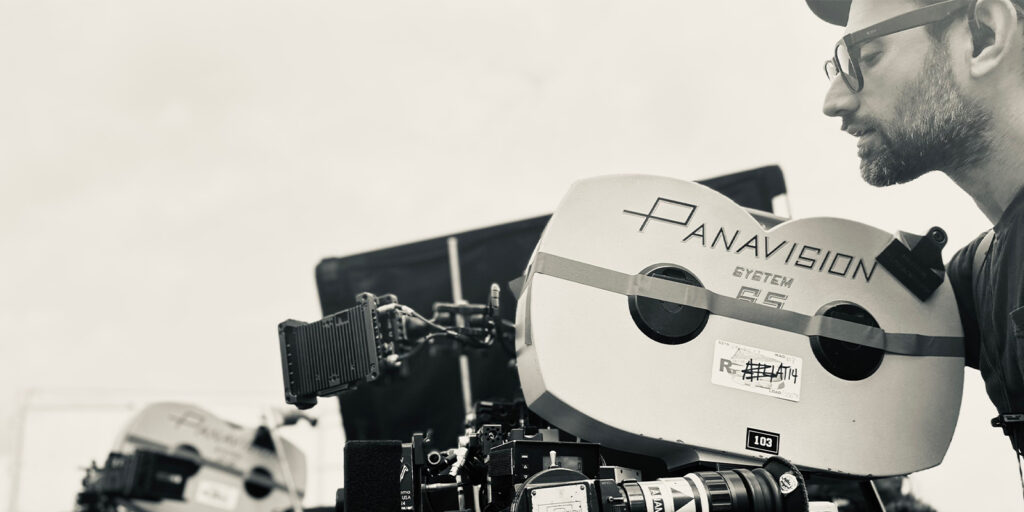
On Sinners, for example, Andrae Crawford introduced me to Keith Davis, whose deep knowledge of the 65mm systems was matched by his generosity. Keith became a sounding board whenever I had questions. That kind of support is invaluable.
And then there’s the inspiration of working alongside people like Autumn Durald Arkapaw and Ryan Coogler. To watch them operate at the very highest level — and to be trusted to contribute to that environment — is the ultimate motivation.
What are the key qualities of a star focus puller?
Discipline, patience and absolute dependability. The work is about being invisible but indispensable.
What are the fundamentals of a successful first AC/DP relationship?
Humility is at the heart of it — when ego is set aside, real trust can grow. The best relationships I’ve had were built on mutual respect, both personal and professional. When you know you’ve got each other’s backs, the work always elevates.
How would you describe your technique?
My technique as rooted in empathy. I focus on what’s important to the people I’m supporting in order for them to do their best work. Creating the right environment is essential.
I don’t approach the job rigidly. Every project has its own variables and my role is to navigate them in a way that supports the cinematographer.
It comes down to attentiveness — listening, adapting and staying responsive so that the work stays on track and the images reflect the goal we’re all working toward.
Which production was the most challenging and why?
Location and weather are always the toughest challenges, since they’re completely out of our control. In 2020, on a film with Max Goldman, we faced both brutal cold and unforgiving locations that demanded every ounce of endurance. I still remember mornings where it took half an hour just to get dressed before facing the day’s work.
Which production are you most proud to have worked on and why?
At this moment, the project I feel most proud of is Sinners. I say that knowing I may sound like a prisoner of the moment, but reflecting on that experience still feels so profoundly moving. It represents the culmination of years of hard work and dedication to the craft.
On a technical level, having the chance to work with the greatest image-making tools in the world was a true bucket-list opportunity. What truly defined the experience, however, was the weight of responsibility that came with it. Autumn entrusted me with leading that camera department, and I remain deeply grateful for that confidence. Both Autumn and Ryan, whose artistry and leadership I admire profoundly — gave me that responsibility, and to come through and deliver for them, is something I will always carry as a defining moment in my career.
What is your favourite memory of working on set?
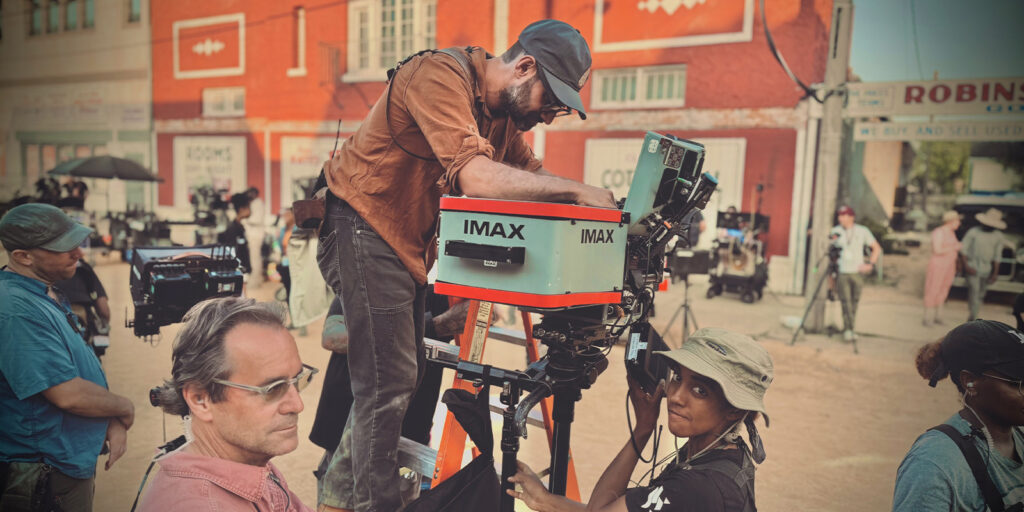
On Sinners, working with the 65mm cameras was a bucket-list experience. During the “surreal” sequence, I had to reload the IMAX camera after every take. The pace was intense, the pressure real, and it created an unforgettable adrenaline rush.
At one point my second, Alan, said, “You’re going to miss this when it’s over, aren’t you?” He was right. I already knew I would.
It wasn’t just the challenge but the pride — knowing in the moment that we were creating something special.
What kit have you been impressed by?
Lenses are what excite me most. What Dan Sasaki and the team at Panavision’s Special Optics are creating is pure magic. The sheer range of options now available to cinematographers is staggering and the images those choices yield are simply breathtaking.
What obstacles do you face in your career and how do you overcome them?
I’ve often felt like I had something to prove, carrying a chip on my shoulder and worrying about the flaws that might undo me. Self-belief is essential — it’s the only way to stay sane. Putting in the work and seeing results helps, but the hardest challenge is when opportunity itself doesn’t arrive. That’s the moment you really have to hold your ground.
What advice would you give aspiring first ACs?
Stay true to what’s important to you. Visualising your path is essential. I had opportunities I turned down — sometimes with real hesitation — because they didn’t serve the vision I had for myself.
That kind of discernment is never easy. I went for years thinking I’d never get the call for the work I envisioned, and in those moments it’s so easy to lose focus or give in to self-doubt.
Ultimately, you are your own greatest advocate. You can’t be shy about your intentions, and you can’t let others define your path for you. The clarity you bring to your own goals will carry you through the valleys and prepare you when the right opportunities finally arrive.
What inspires you outside of the world of film?
My family keeps me going. It may sound cliché but it’s true. After months away, I feel immense gratitude for my children and for my wife’s strength in holding everything together. Coming back to not just a house, but a home, makes all the difference.
What are the biggest recent changes you have seen in the world of filmmaking?
The biggest change has been the speed at which we’re expected to work. Precision is demanded, yet the time to achieve it keeps shrinking. It’s a challenge, but also part of the puzzle. No matter the format or budget, there will always be moments of scrambling — the only thing you can control is how prepared you are.
Cinematographer Autumn Durald Arkapaw ASC says:
“Ethan and I have been working together for nearly nine years, through countless commercials and three feature films. He’s a dear friend and one of the most talented camera assistants I’ve had the privilege to work with. The head of the camera department is one of the most critical roles on my team, and I begin every project with the lens.
Ethan’s attention to detail in our prep and R&D is something I look forward to and have appreciated over the years. Some focus pullers have a rare gift, the intuitive, almost soulful ability to anticipate and execute any shot. Ethan has that gift. On our most recent collaboration, Sinners, Ethan knocked it out of the park. His work is beyond exceptional. Mic drop.”
Cinematographer Max Goldman says:
“I have known and worked alongside Ethan McDonald for many years. Together, we had have made it through countless challenging situations. Ethan is a committed crew member and an excellent problem solver. He navigates digital and film cameras with highest level of technical knowledge.
Ethan is a friend as well. I could on and on about how great Ethan is. However, there are many crew members who share these qualities. What separates Mr. McDonald from the rest is his uncanny ability to pull focus. It’s like a sixth sense.
I have always been a wide-open shooter. It was and still is a choice that personalised my style. So as one can imagine I had to go through a lot focus pullers to find the correct fit for this style. To this day, in all my days of shooting, no one can compare to Mr. McDonald. He makes it look effortless. It’s like a magic trick. Or maybe that’s what we call talent?
I am grateful to have met Ethan. His talents have allowed me the freedom to create images that have defined my career.”
Cinematographer Kira Kelly ASC says:
“Ethan is one of my closest and most trusted collaborators. I never have to worry about the camera department at any point when he’s around. His technical knowledge of lenses, cameras, and support equipment is unmatched, but Ethan also has a knack for visual storytelling that is vital in a good focus puller.
Because of his calm, straightforward demeanour on set, I like to joke that he’s just like Joe Friday from the old show, Dragnet – “Just the facts, ma’am.” He’s someone I consider to be a friend and an asset on any set he’s a part of.”