
INTO THE WOODS
Taking place in the depths of an isolated forest, Knell is a short film that packs a horrifying punch. Director Dean Ferris explains how he and his team made use of their outdoor setting to tell a sinister tale.
Please tell us about your production, Knell.
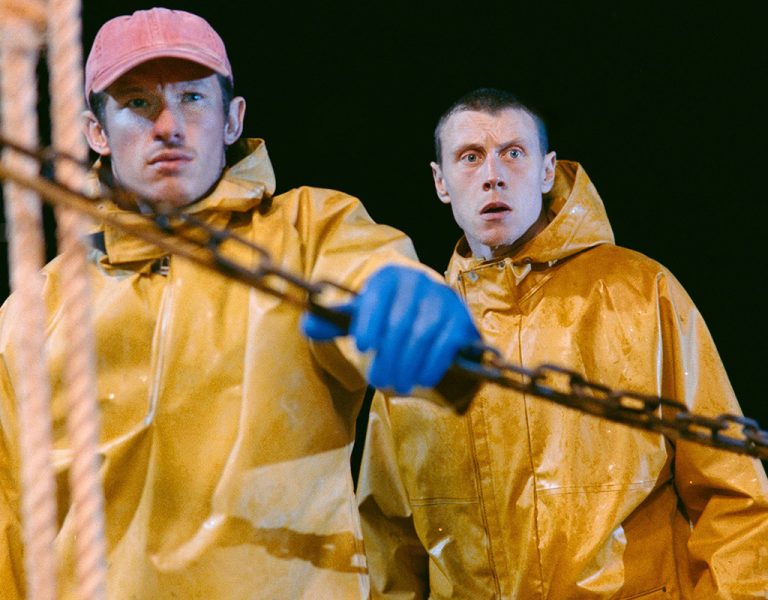
DF: Knell is a short folk horror story that follows a couple on a walk through the woods. They hear a faint sound of a bell and follow the noise to a sinister hut filled with strange symbols and a single flower. What starts as a simple act of affection leads to a frightening conclusion for them both.
Which cameras and lenses did you use and why?
DF: DOPs Felix Northover and Ben Wetten used a range of cameras and lenses; Sony FS5 camera, Sirui nightwalker lenses (24mm-35mm-55mm); a Canon C70, Canon lenses (24-70mm 2.8). A drone (DJI Mini 3) and mobile phone cameras were used for shot rehearsals. As a team we wanted to be able to get creative with a range of different camera styles (handheld, tripod, gimbal) using the lenses and techniques ranging from abstract close-ups to gliding gimbal fluid shots. These all added to the overall atmosphere of the film. Having the option to try something new gave us all the freedom to play and create the unique visual style of Knell.
Which lighting equipment did you use and why?
DF: We used a simple X3 LED ring light pack, an Aputure 300d light, coloured gels and also the natural light available. We used the lights from our mobile phones to help in extremely tight close-up spaces. On the whole, the lighting equipment was very lightweight, didn’t overheat and allowed us to quickly set up lighting tests and experiment further. We wanted to have a green and red theme within particular scenes to help lead the story on.
Can you talk about how it was to work with the crew?
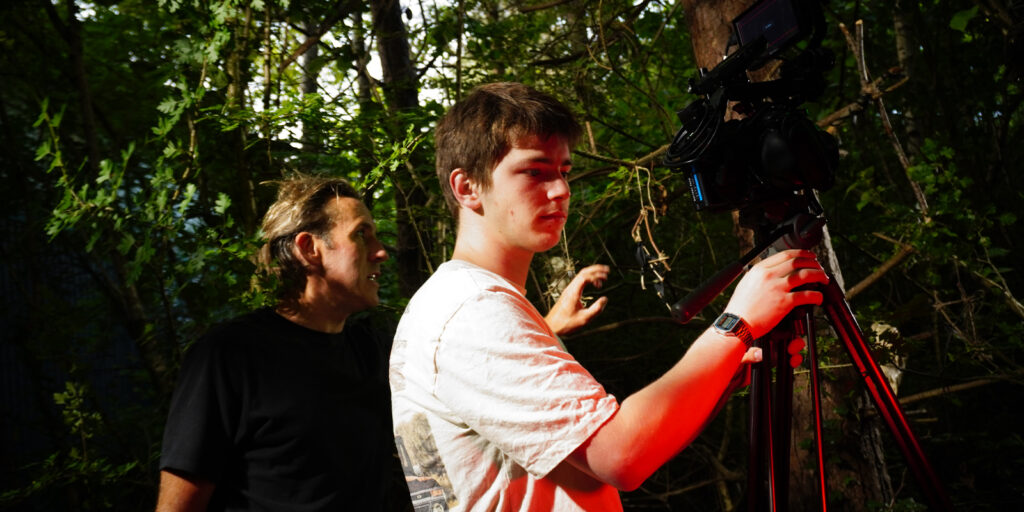
DF: The crew who worked on Knell were the best in the world, there was always a fun, creative buzz on set. Everyone brought something different to the project and pitched in to help make it an enjoyable experience for all. Their unique talents all contributed massively to the look and feel of the film. We wanted to primarily use practical effects and not rely on anything else in post-production; from colour grading to our lighting set-ups, to the artwork and colour tones of the colour palette. The energy was fast-paced where set-ups happen quickly and decisions needed to be made on the fly. Good communication was key, especially between myself and the whole crew.
What was the biggest challenge and how did you overcome it?
DF: There weren’t that many big challenges. I put this down to the pre-production planning we did, where we tried to plan for every scene and shot. Some shots just happened and presented themselves to us – but on the whole it was a fun, smooth production process.
What was the biggest learning curve?
DF: I feel there were a myriad of new things I learnt from navigating through this experience. From capturing clean professional audio to practicing the craft of foley sound effects, to discovering how much the story can change in the edit to our advantage. I always enjoy the challenge of learning different techniques, styles and methods of working with different people.
Which scene or sequence are you most proud of and why?
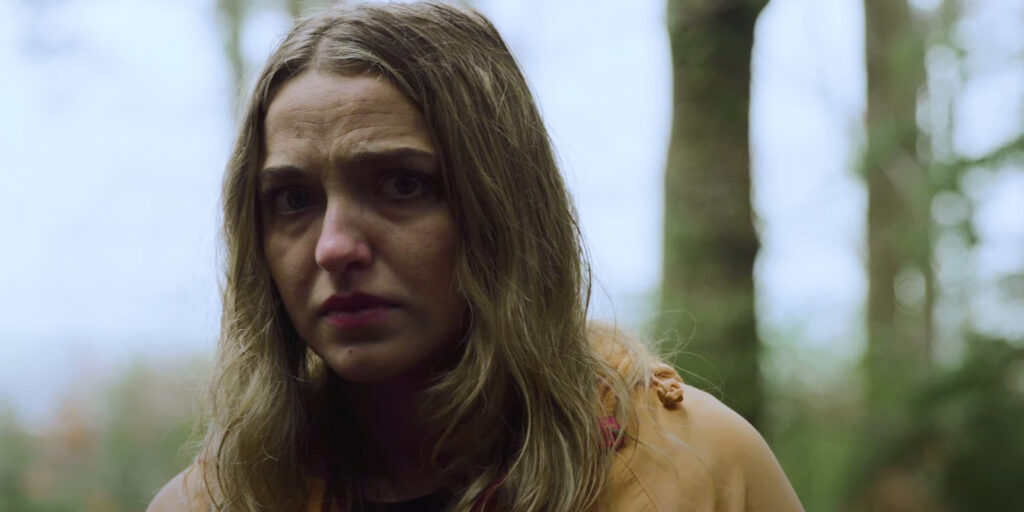
DF: The final scene in the woods is my favourite sequence. We used everything practically on set. From lights to smoke and wind machines, special effects make-up and costume. It really enhances the fear and panic the characters are feeling at that moment.
How did your work on the production inform how you will approach your next project?
DF: Working on Knell taught me the importance of preparation and flexibility. I learnt how crucial clear communication is across all departments, especially in a fast-paced short film setting. This experience helped me refine my time management and problem-solving skills under pressure. For my next project, I’ll follow the same work patterns and build in space for creative spontaneity, as this is where the magic happens!