A PROFOUND PROJECT
22+1 is a story about an interracial couple navigating the grief of a late-term pregnancy loss while confronting the underlying racism within the UK health system. The film follows Ruby (Pippa Bennett-Warner) and Will (Harry Lloyd) through the intimate moments leading up to, and following, the traumatic loss of their baby, and the toll it takes on their relationship. Written and conceived by Pippa Vosper, the story takes a critical look at the lack of responsibility within the UK healthcare system and the risks it imposes on Black mothers.
22+1 was a deeply moving project, both creatively and emotionally. I felt genuinely touched by the trust producer Pippa Vosper and director Pippa Bennett-Warner placed in me by inviting me onto the project. Their confidence gave me the grounding I needed as I took on the challenge, and honour, of translating the film’s emotional weight into visuals. My creative connection with Pippa developed quickly, helped by minimal prep time, which encouraged an intuitive collaboration. This allowed us to capture honest performances while giving Pippa, who also starred in the film, the space she needed to fully inhabit the role.
This film was a profound experience, personally and professionally. The openness of the cast, crew and HODs created a safe environment where our shared emotional experience naturally shaped the visual language of the film. I was deeply grateful to be trusted with photographing something so painfully honest and true.
We shot the film on the Alexa Mini LF with a custom mix and match set of Panavision H Series, Ultra Speed and SP Primes. Alexa’s colour science was an obvious choice for the naturalism we wanted, but the use of large format became especially important in intimate domestic spaces.
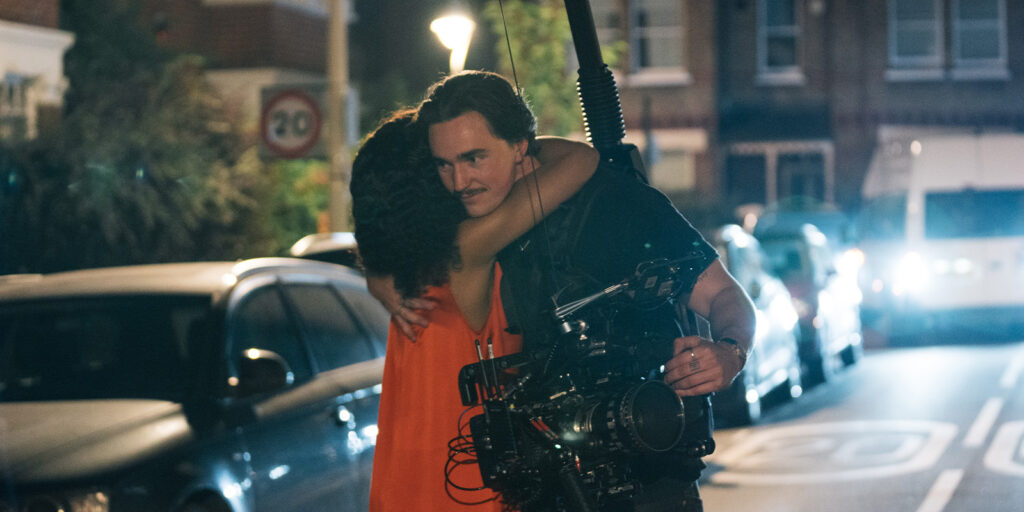
House locations were notoriously difficult for film crews to navigate, and I didn’t want those limitations to dictate the lensing. I knew the film needed to live mostly on mid-length lenses to support a naturalistic visual approach. Since we were very much aligned with Ruby’s perspective, I wanted the lenses to feel as close to the human eye as possible.
For much of the film, we used the 35mm and 40mm Panavision Ultra Speeds, the 55mm Panavision Super Speed, and the 75mm H Series Super Speed, especially for portraits of Ruby. These lenses gave us beautiful separation from the background, helping isolate her within her environments even at the wider end of the lens spectrum.
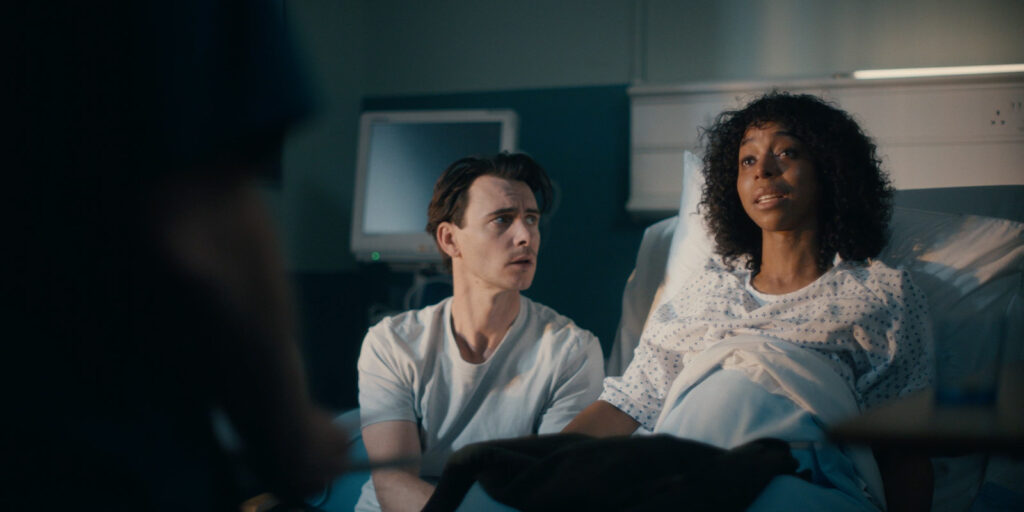
Paired with an open-gate 3:2 ratio, this formed the bedrock of the film’s look: isolating Ruby within a small, confined frame and often a very shallow depth of field. At times, we were shooting at T1.1 (sorry, 1st AC).
The lighting, much like the lensing, was shaped heavily by the locations. This was a very real story, and we wanted the lighting to reflect that authenticity. We lit almost exclusively through the windows available in each space. This approach not only allowed us to structure and shape the light naturally using frames and flags, but it also freed up the often limited space for the actors, giving them a more realistic sense of their environment, which we hoped supported their emotional performances.
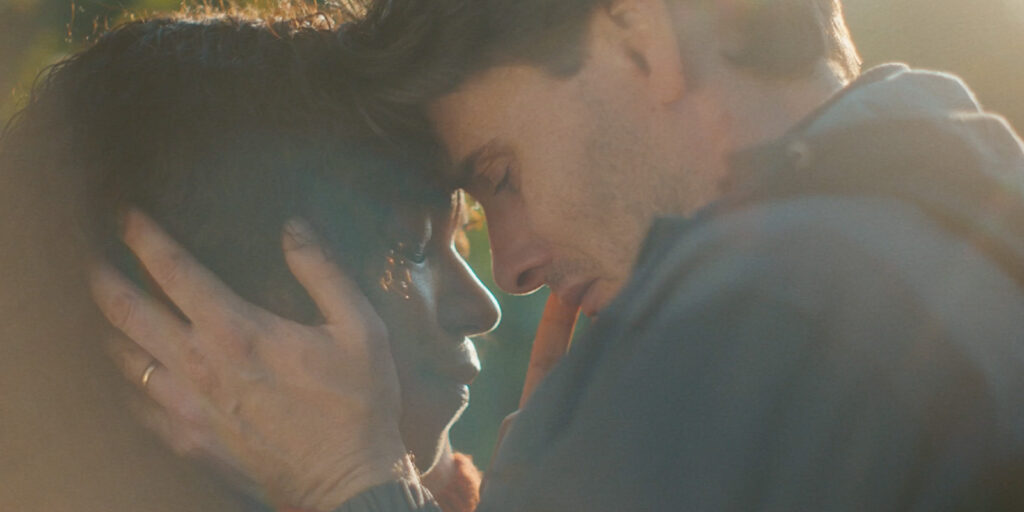
It came with its challenges, but I owe huge thanks to my gaffer, Mark Lane, and his team for constantly finding innovative, real-time solutions that maintained consistency while giving the actors room to work. And further props for their speed; they often made these adjustments during makeup checks between blocking and turning over.