
CRAFTING EMOTIONAL RESTRAINT
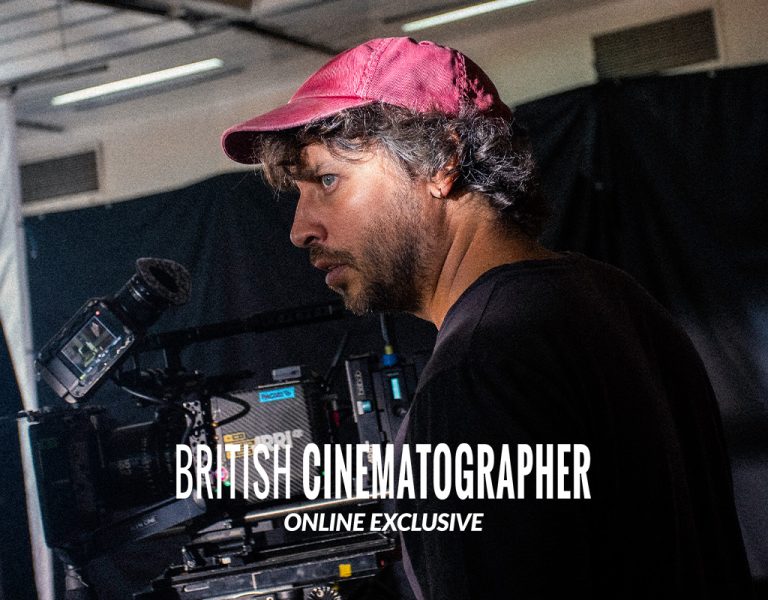
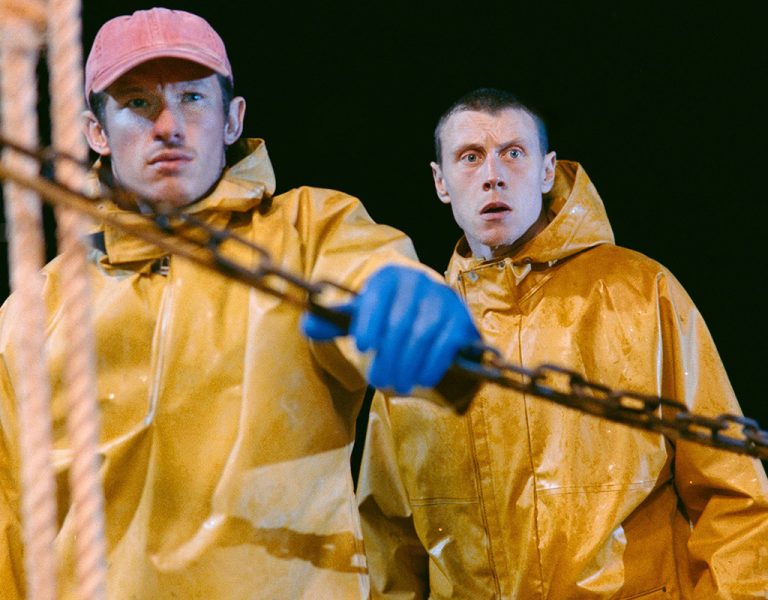
Little Rock, directed by Nick Tree, is a six-minute short created in support of the charity Younger People with Dementia. It follows an earlier collaboration with the charity, which starred Kate Dickie (The Witch), but this time features Amelie Pease (Adolescence) in the lead role. While the story is fictional, it reflects the lived reality of around 70,000 people in the UK under 50 living with dementia. DP Aadel Nodeh-Farahani reveals more…
From the outset, the cinematographic approach was guided by restraint. The material carries inherent emotional weight, and the challenge was to support that without being too heavy handed. The aim was to develop a visual language that allowed performance and subject matter to lead, with the camera responding rather than dictating.
We shot on the ARRI Alexa Mini with Elite S7 anamorphic primes, framing for 2.40:1. In all honesty, the decision to shoot anamorphic wasn’t driven purely for its gravitas, but by a compositional similarity with the recurring keyboard motif of the film. In truth, I couldn’t shake widescreen from my mind when reading the script.
Choosing between spherical widescreen or anamorphic was easy, anamorphic gave us better separation. The shallower depth of field helped isolate Lana within her environment, subtly reinforcing her sense of disconnection, compared to same field of vision spherical would yield. The limited headroom within the frame introduces a quiet tension. There is space, but faces often feel partially lost within it, close-ups become almost claustrophobic as the top of head and chin are lost.
Observing the scene
Much of the visual approach emerged from observing rehearsals. Coming from a documentary background, I place real value on stepping back and watching the director and actors find the scene. It becomes much easier to contribute visually when you see how the scene has developed.
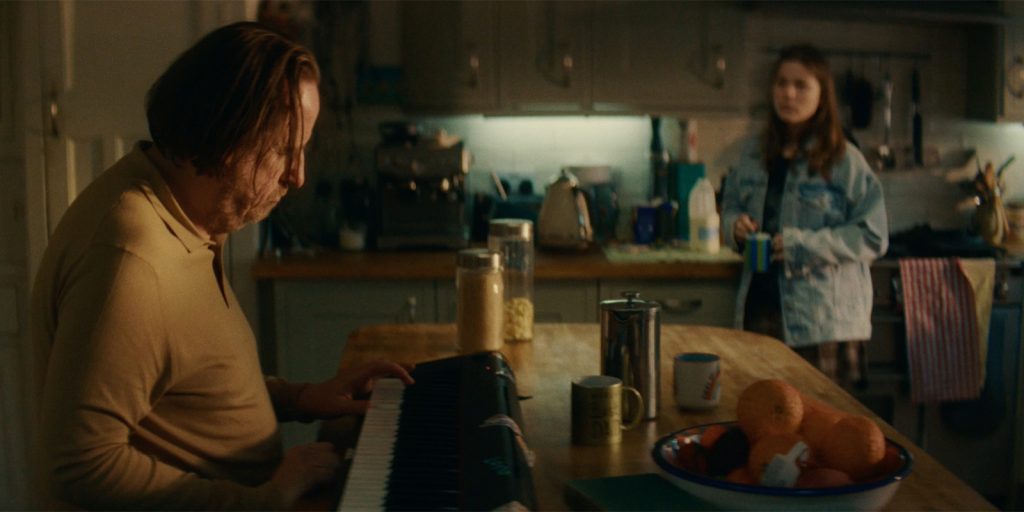
Camera movement is used sparingly and always with clear narrative intent. Alongside static frames and handheld work, two moments employ Steadicam (operated by Ollie Smith), where a balance between stability and fluidity was required. The guiding principle was that movement should arise from the scene itself. We established a simple rule: when Lana is practising the keyboard, the camera does not move. These static frames allow her concentration to remain central while family life continues around her. In these moments, the camera simply observes.
That rule breaks during her performance scene. As she plays for her parents and her father fails to fully connect with the grand gesture, the camera begins a subtle push in. It’s a gentle shift, but its the first time we allow the camera to lean into her emotional state. From there, we move into a continuous shot that follows her from the kitchen to her bedroom. It was important to stay with her in real time as she battles her emotion. We spent considerable time during recce visits finding a location that could support that camera movement, which allowed us to test the rhythm of the shot ahead of the technical recce. Once she reaches the bedroom, everything tightens. We move to handheld, close the distance, and physically restrict the space around her, sandwiching her between camera and door. There is nowhere left for her to go and that is where she finally breaks down.
Preparing to succeed
We shot the film over two days, which made preparation essential. The first half of day one was spent capturing the concert material at a theatre location, the footage that later appears as a YouTube video on Lana’s laptop. This gave the lighting team time to rig the house location. As much of the film takes place at night, we chose to avoid showing windows for our night interiors. This meant they did not need to be tented and could instead be blacked out with pipe and drape. Avoiding windows at night isn’t something I would usually advocate, I often prefer to retain a sense of life beyond the windows in night scenes, but it was impossible to schedule for the time of year we shot the film. So we embraced this rule and it allowed us to pre-light for both night and day scenes, giving us flexibility to move quickly by simply removing the blackout when shifting to daytime setups. Credit goes to gaffer Salvador Gomez-Lopez, whose problem-solving was key to making the schedule achievable.
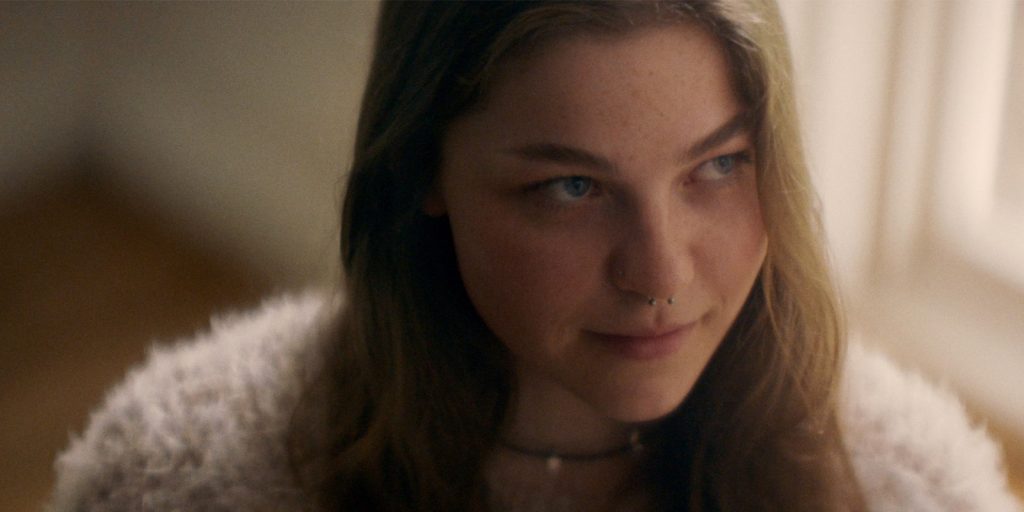
The flashback sequences were approached with a light touch. I didn’t want to overly stylise them; memory, to me, is often fragmented rather than fully formed. We allowed the camera to feel looser and less composed. Treating each scene as its own vignette gave us licence to accentuate the lighting both in contrast and warmth to embellish those memories. I had to keep reminding myself less is more as these scenes would be carried by Tom Keech’s score, which would be doing the emotional heavy lifting.
The penultimate scene, revealing the father through archival footage, returns us to a more controlled visual language. We push through the same kitchen doorway that Lana ran through earlier, but this time the camera tracks a piano melody drifting from another room, played to perfection. We reveal that it is not Lana playing, but she’s watching an old YouTube video of her father performing the piece to a sold-out theatre. The bittersweet close-up of Lana, coming to terms with the fact that her father is no longer that person, gives her the resolve to seek help.
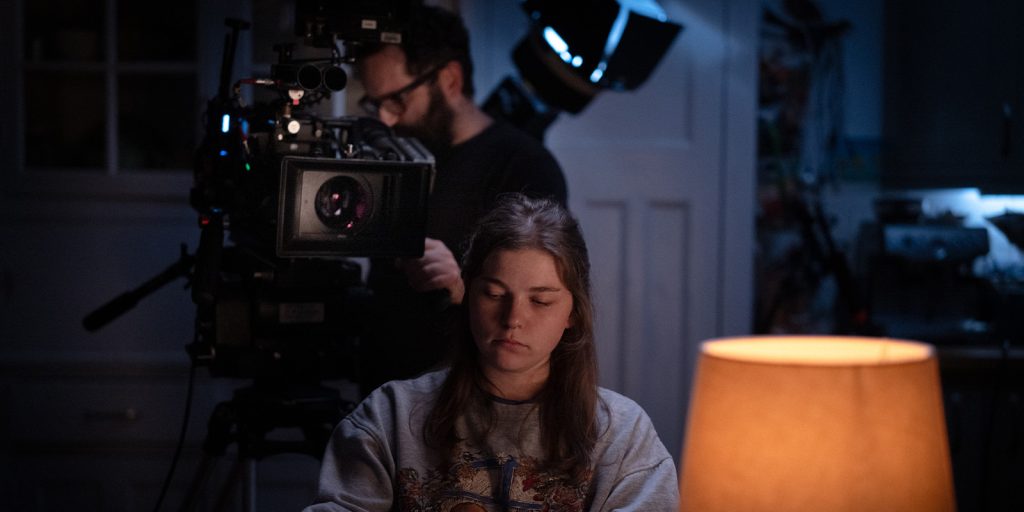
Filmmaking is always collaborative, but on a project like Little Rock, that reliance becomes especially clear. With limited time and resources, there is no room for excess — every decision has to matter. I would like to extend my gratitude to the camera department; focus puller extraordinaire Anthony Hugil, loader Max Grammar, DIT Jonathan Boyd and trainee Jake Roch. Lastly, a big thank you to colourist Steffan Perry.
For me, the cinematography was about staying responsive: preparing as thoroughly as possible, then remaining open enough to let performance guide the work. That balance between control and instinct is where the film ultimately found its visual shape.