BRIDGING THE GAPS
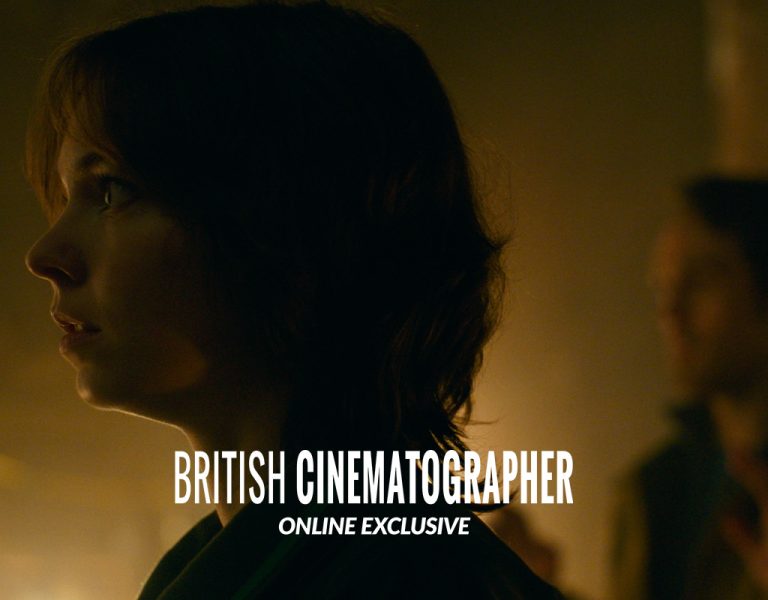
In Netflix’s latest #1 film, Jill (Zoey Deutch) copes with her sister’s death by leaving her voicemails chronicling her chaotic life in San Francisco. When the number is unknowingly reassigned, an elusive Austin real estate agent named Wes (Nick Robinson) begins receiving the hilariously confessional messages. It’s not simply a sweet romantic comedy – it’s ultimately a deeply human story that explores grief, the bond between siblings and the complicated journey of chasing our dreams. DP Julia Swain explains how VFX integration played a key role in executing scenes at the Golden Gate Bridge.
Leah McKendrick [director] and I set out to make a film that was our own but also brought back aspects of classic romantic comedies from the ’90s and early 2000s – warmth, contrast, texture. We shot digitally but we shot on the Panavision T Series lenses for their quality and on the ARRI Alexa 35. There’s a softness to the romantic comedies we all love that I wanted audiences to feel in this film. The big goal for me was to make something that felt grounded and rooted in the emotional experience of this script. There is a little magic in this movie though that feels like it stems from the universe, from Isabelle. Her and Jill are together even when they’re physically apart. So the key became knowing when to be close and intimate with the camera and then when to step back and be more observational of the world around our characters.
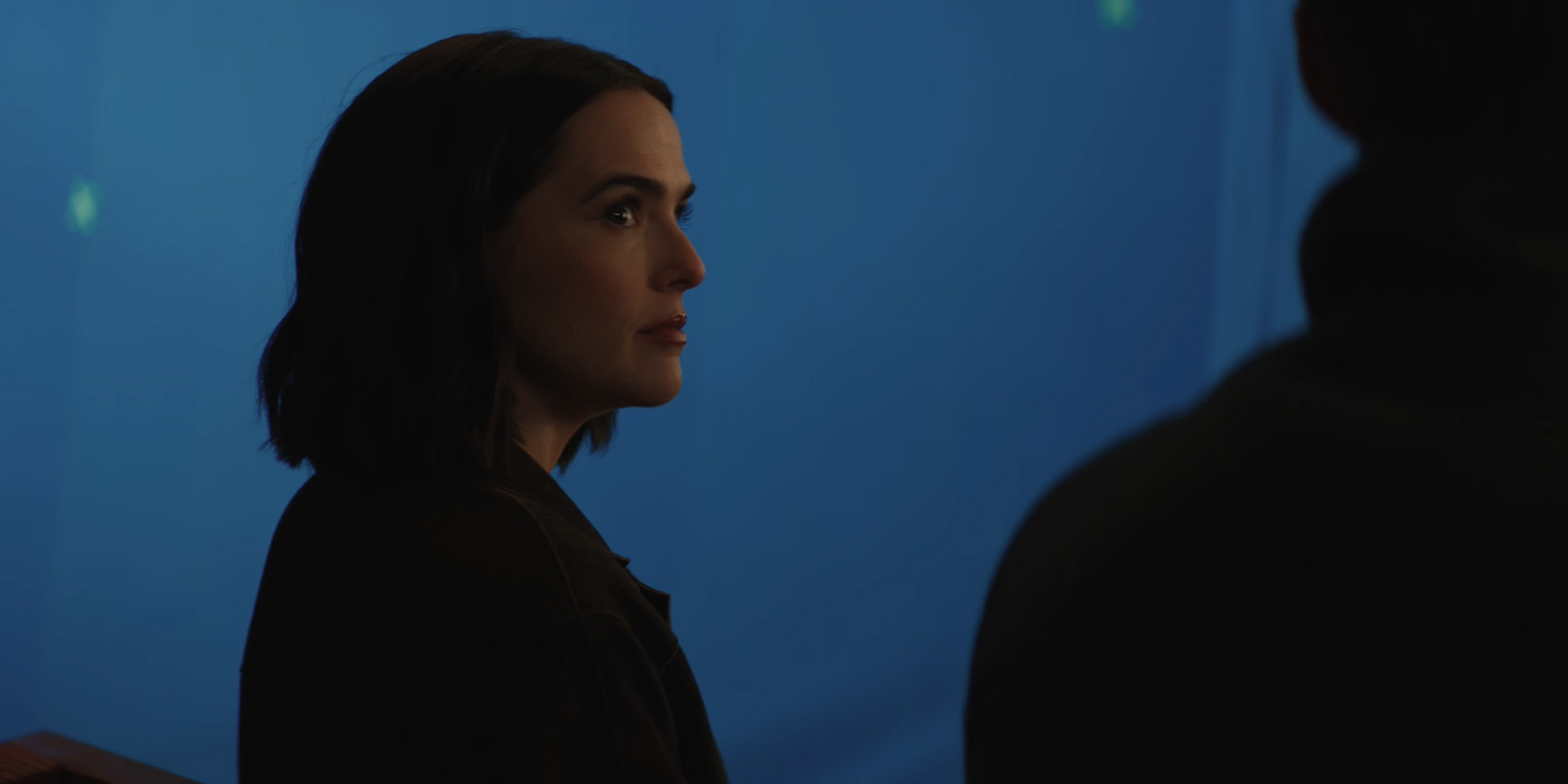
The voicemails are the foundation for the film – they’re a look into Jill’s inner life, her relationship with her sister and her journey with grief. They’re subsequently a look into Wes’ inner life as he listens and becomes invested in Jill. We establish that Jill has a spot she frequently visits that overlooks the Golden Gate Bridge where she can be alone and leave Isabelle messages. We knew this would be our biggest challenge in terms of execution.
Getting the light right
From the beginning of preproduction we were talking about these scenes and how to photograph them. Leah and I are all about doing things as practically as possible, but doing two nights on location at the bridge proved unrealistic. Access and logistics alone would have slowed us down significantly and made it impossible to light. The work didn’t just include scenes with Jill alone leaving voicemails – it also included the very pivotal scene where she and Wes meet for the first time. We needed some time and control which shooting at the bridge was not going to give us with weather and fog we couldn’t plan for.
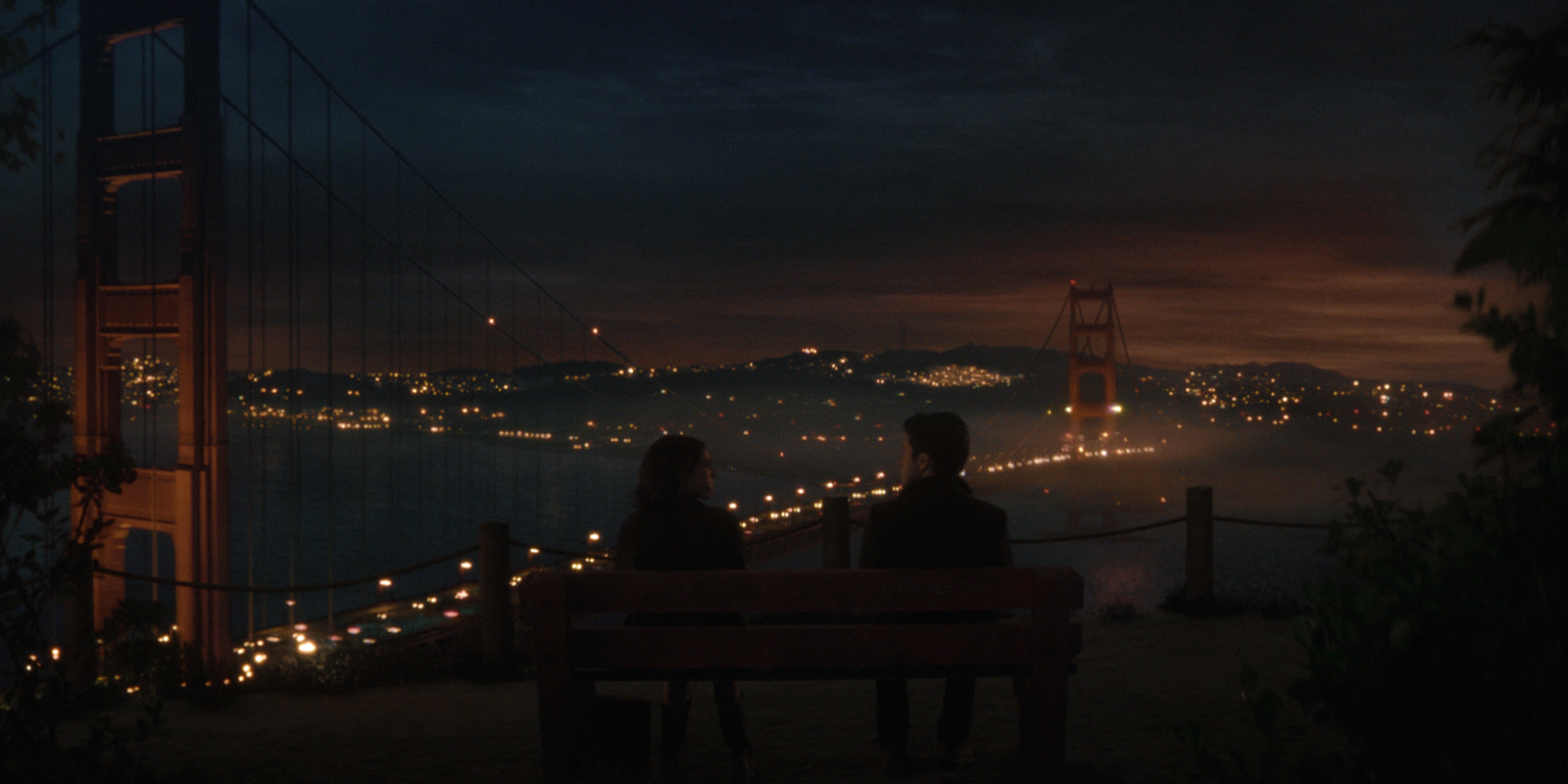
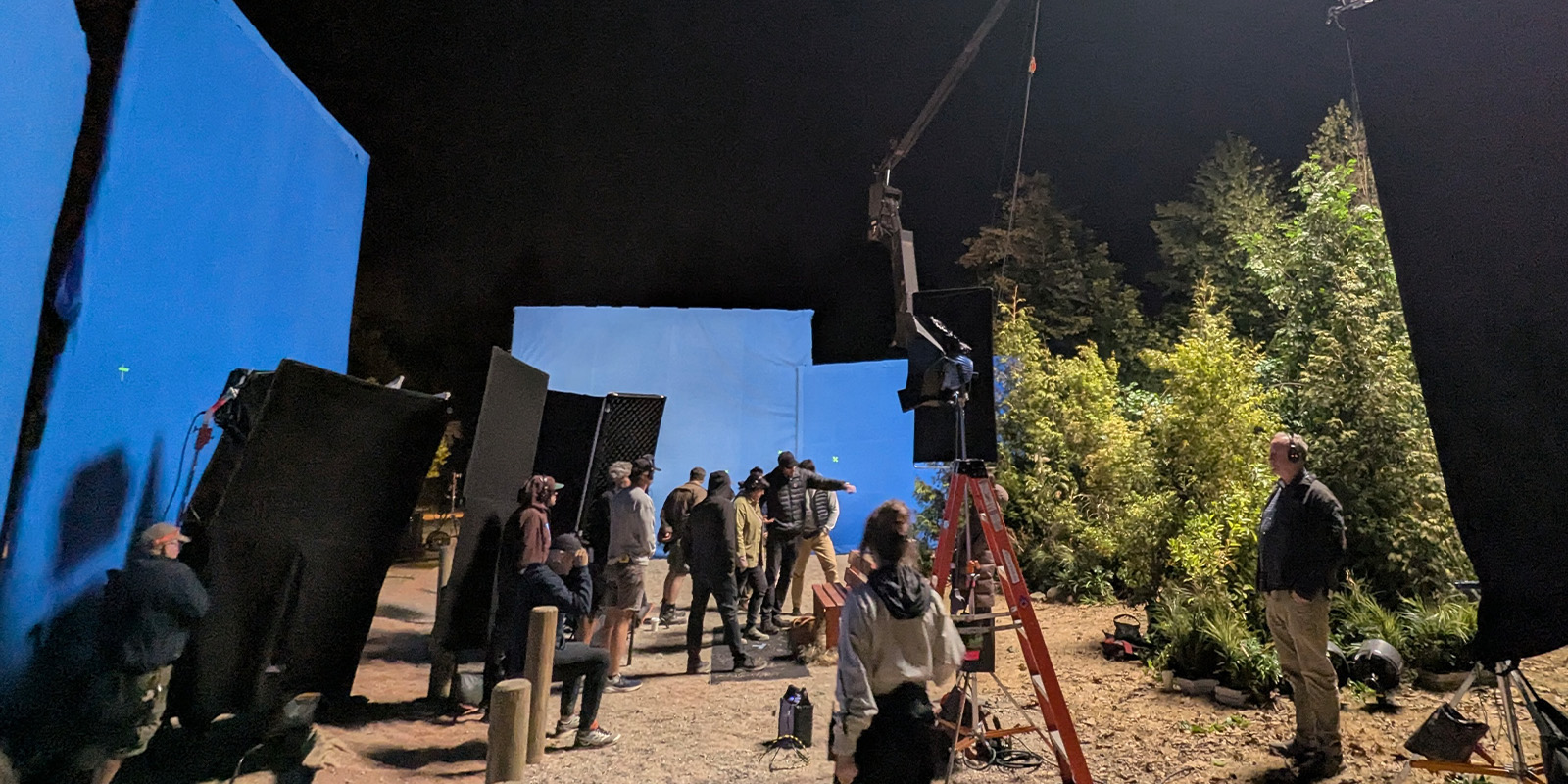
However, we also didn’t want to do a full stage shoot where nothing was real and everything in every angle was going to be recreated around our actors. I thought about doing these scenes in a park at night so we’d be in the elements, lighting a real night exterior and only having to utilise VFX in certain angles. That’s where Chris [van Dyck] and his incredible team at Niche came in.
First, we mapped out exactly where this lookout was in San Francisco. We went to survey it in the beginning of preproduction and I took photos with Cadrage to demonstrate where we wanted to place the camera for each shot in each scene with an imaginary bench in the ideal spot at the lookout. Then, in Vancouver, we chose a location in a park that would work for us in every direction except where you’d see the bridge. We wanted a real location that, if you were looking at the bench with your back to the Golden Gate Bridge, was visually interesting and felt secluded. We wanted greenery and a path down to it where Jill would go to leave voicemails. I took the bench that our amazing production design Celine Diano and her team had made and took the same photos again in that Vancouver spot. Niche then built it all digitally into a 3D map of the lookout. This allowed us to determine what you’d see of the bridge if you were standing on our Vancouver location looking out at blue screen, how large the blue screen had to be based on my angles, etc. I wanted to utilise real greenery on our location to layer in front of blue screen in the midground of some of my coverage shots. This would help connect our practical scene with the beautiful bridge shots we would place on the blue screen in post.
We then went back to San Francisco, before shooting the scenes in Vancouver with Zoey and Nick, to shoot tiles at various times to build out a cyc that we could map in post but more importantly load into ‘ByPlay’ – a real-time previs tool, which allowed us to visualise what we would see on set. We captured tiles both spherically and anamorphically on the Alexa 35 of the bridge during the day, dusk and at night on a clear night. We did this a couple of times – before we shot the scenes with talent so we had temp plates to place into a virtual viewfinder, replacing the blue screen live on set. We did it again after principal photography to perfect our plates and get even better weather options. I sent sky references to Niche to communicate ideal textures and weather as well in preproduction.
The result of how we approached these sequences allowed us to skip a lot of discovery in post, as we had references and renders of where the bridge accurately would live and plates with the correct time of day for all our angles. Finally, in colour at Fotokem, colourist Alastor Arnold and I worked with Chris and his team to dial it all in now that our footage and what VFX had created had been combined. A bit of colour work helped really sell it. It’s beautiful, a little magical and captures the spectacular view of the Golden Gate Bridge in SF at Jill’s beloved lookout.