
PERFECTLY IMPERFECT
Cinematographer Gabriel Patay explains how he purposefully used imperfect camera operating or imperfect manual zooming to make Sundance Film Festival documentary Going Sane: The Rise and Fall of the Center for Feeling Therapy feel like a lost artefact.
At what point in the process did the film truly “find itself” in the edit and how different did it look from the version you imagined on set?
I think there were multiple incarnations of the edit of this film – it originally was used more as a proof of concept to create a much larger project, but then was edited into its own complete short film that I felt worked beautifully on its own. Since it’s a documentary short with actors lip syncing audio of real cult members, we knew that the editing would be more free form and collage-like, so on set it was more about capturing each moment as nicely as we could without being completely certain of the order it would be presented.
Was there a specific scene or sequence where the cinematography became the storytelling engine rather than the script or performances?
Well, in a lot of ways our approach was unusual by its very concept. The director, Joey Izzo, wanted to cast this documentary with actors that would lip sync to audio interviews of cult members that he interviewed that preferred to remain anonymous. There was a fair bit of archival material in the form of low-resolution video, magazines and photos. We knew that the specific scenes with the actors would need to be shot in a particular way so as to feel cohesive with the varied imagery and to distinguish ourselves from normal documentary style ‘interview’ looks.
Our goal was to make the photography almost feel like a lost artefact, not disperate from all the other pieces of archival information we display
How did you manage rhythm and pacing when balancing emotional intimacy with narrative momentum in the cinematography?
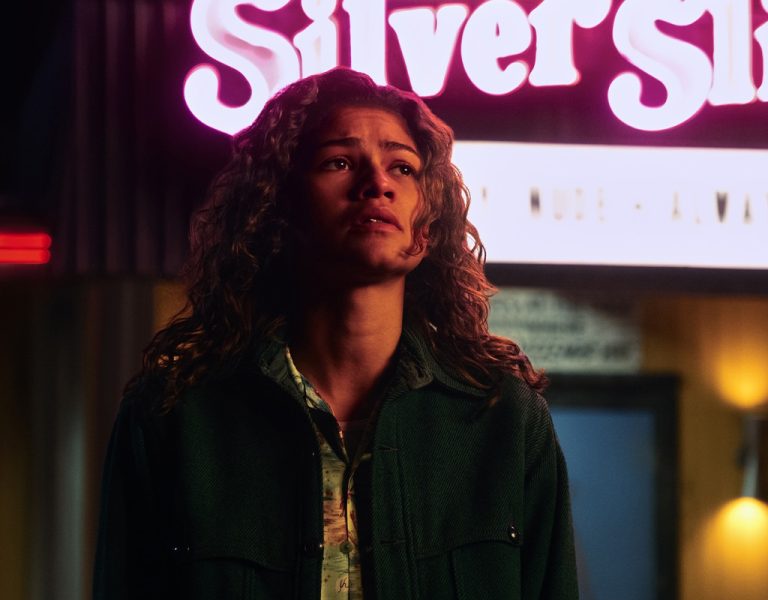
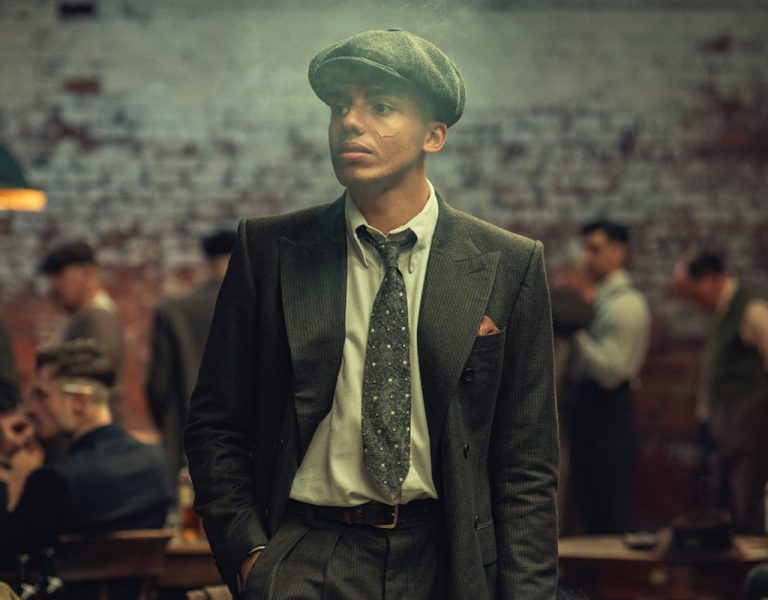
Our goal was to make the photography almost feel like a lost artefact, not disperate from all the other pieces of archival information we display. We purposefully used imperfect camera operating or imperfect manual zooming like an operator might’ve captured if he actually shot them decades ago.
How early were cinematography decisions influencing other post-production elements like sound design, music, or visual effects?
The look helped inform a lot of the gestalt of the composed music and edit style. We embraced Super 16 zoom lenses and added some post-grain to tip the hat of our photography to a different era of making things that have a more messy and analog approach than our clean, sharp digital looks today.
Did the cinematography reveal anything unexpected about the characters or themes that wasn’t apparent during production?
The feeling of watching an actor expressing emotions of the real audio of real people who went through an oppressive cult placed within our unique cinematography style creates a feeling that is quite unique. It’s hard for me to personally lose the context of my set experience and prior knowledge when I watch so I’m more curious about how our approach makes other people feel. To me, you’re able to gain a unique intimate connection from our specific compositions, production design, and actors’ performances that are able to do so much more for a viewer than just a normal documentary sit-down interview might.
We almost treated this film as an experiment of a process, so certain mistakes were kind of embraced
What were the biggest technical or creative challenges you faced and how did your camera tools help you work through them efficiently?
We almost treated this film as an experiment of a process, so certain mistakes were kind of embraced. We had an ambitious schedule and a small crew with little resources – I remember we started the day with some beautiful bright cloud light coming through the day interior scene and then, as the day progressed, we had a horrible rainstorm that made the ambient daylight from windows unusually dark. Adjusting for that appropriately with our slim lighting package was a challenge. Shooting raw on the Canon C500 was a huge help with these weather changes. We had a lot of latitude and colour space to help maintain consistency for our changing light.
For films dealing with memory, trauma, or complex social realities, how did you approach ethical responsibility in the cinematography?
I have a background shooting a multitude of styles and approaches both documentary and scripted projects – but at the core of my photography, I feel that I have a strong sense of what feels genuine and sincere. There’s a lot of smoke and mirrors in the polish of our photographic tools these days, and those can be fun to play with in certain contexts of a story, but in this case, keeping the approach
grounded was important to the emotional weight of it all and not to try and put lipstick on someone’s traumatic stories.
Going with a Super 16 crop sensor on a modern camera is a humble way to shoot something
Looking back, what’s one cinematography decision you now see as pivotal to the film’s final emotional impact?
Going with a Super 16 crop sensor on a modern camera is a humble way to shoot something. More things are in focus with the deeper depth of field – the overall image is lower resolution than we are used to and the glass is a bit less sharp. To me, this doesn’t mean less beautiful, but instead lays bare the image in a way that feels unanointed and more raw, a bit more intimate and less curated. It can be a subtle effect but I think it resonates in a way that makes it feel a bit more human and messy and analogue. That imperfection is beautiful to me.