NEVER STATIONARY
Netflix hit The Vince Staples Show shifts between visual languages, tones and genres with unique results – epitomised by its stunning season two opener, set in a car rental store with a difference…
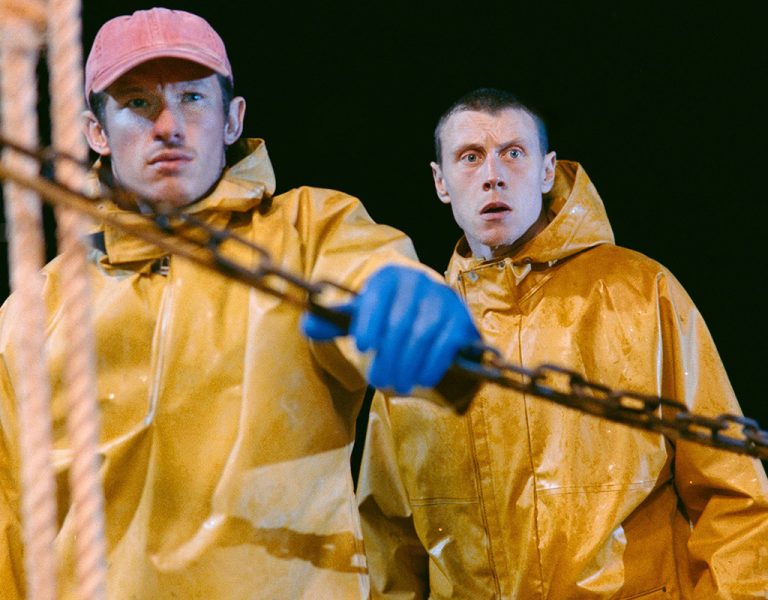
The question mark in this show is always about tone, because it plays with a big blend of genres – it’s not quite classical comedy, it’s not quite drama. In season two, we’re dipping our toes into more horror and thriller elements and dynamics. There was definitely more of an emotional weight. You’re starting at a depressing point in Vince’s world, so we wanted to visualise and express what that looks and feels like, but there’s still this thrill and suspense to play on.
Our production designer, Margot Ready, was incredible. The car rental store was a real location – I’m not sure whether it was an actual car rental place or a mechanic’s – but she helped to extend that world. For example, there’s a bathroom/music studio set that was built on a soundstage, where Vince is forced to make a song with this threatening guy, and there’s a backroom where he’s having a heart-to-heart with his mum. Our production designer blended incredible sets both within the existing location and on stage. This gave the director Riley Stearns and I the freedom to design the blocking and shots in a much more dynamic way.
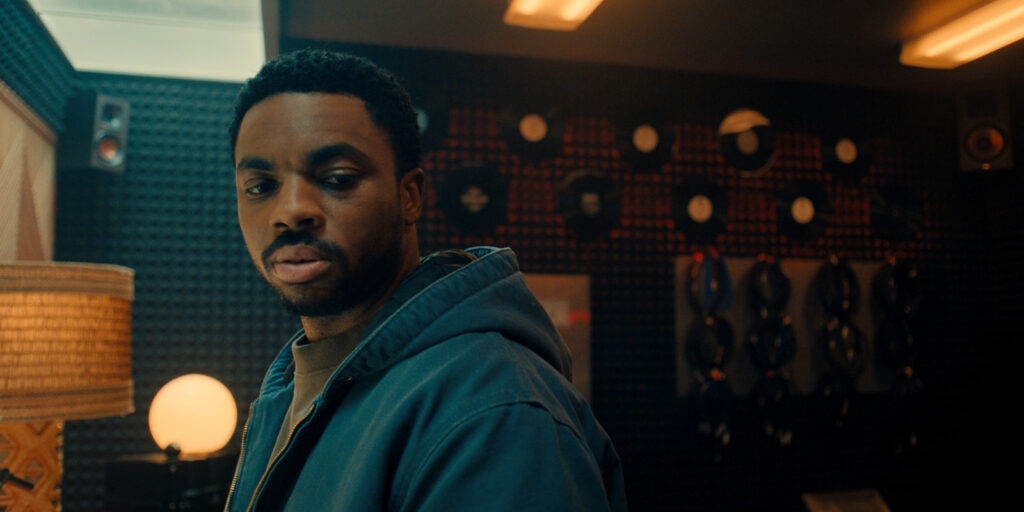
What I really love in filmmaking is when you take the viewer on a journey that they weren’t expecting. This episode plays as somewhat of an escape room experience. Each time you open a new door, you dive further and further into a space that’s filled with surprise, shock, and occasional absurdity. We wanted to establish a balance between the lobby feeling a certain level of decrepit but not alarming – we wanted to create an atmosphere where it was clear that no one wanted to be there – then we can go on side quests and take Vince out to other spaces where anything can happen.
Led by LED
The fluorescent lighting was key to creating that decrepit, uncomfortable feeling. We used our own tubes for the ceiling lights inside of the lobby. A lot of the fixtures were various LED tools that we could control live, as the camera and/or actors moved. For this, our gaffer Todd Lapp sourced his lights from MBS and Christie Lites for the moving lights and automation.
Our camera lens approach is usually pretty wide. There’s often a moving camera. We were shooting a lot of two-camera coverage, when it made sense to, and so there was a lot of reliance on practical lighting and a broad look setting. We were constantly saying, ‘Okay, now we’re looking in this direction, let’s take half of the ceiling tubes down and keep half of the room brighter, let’s dial up the pocket that was around them,’ etc. This also led to us hunting for ways to help enhance the lighting dynamic of the space. For example, when the rental car agent guy hits the bathroom hand dryer button, we added a big lighting cue to help enhance the absurdity of having a music studio in a public bathroom.
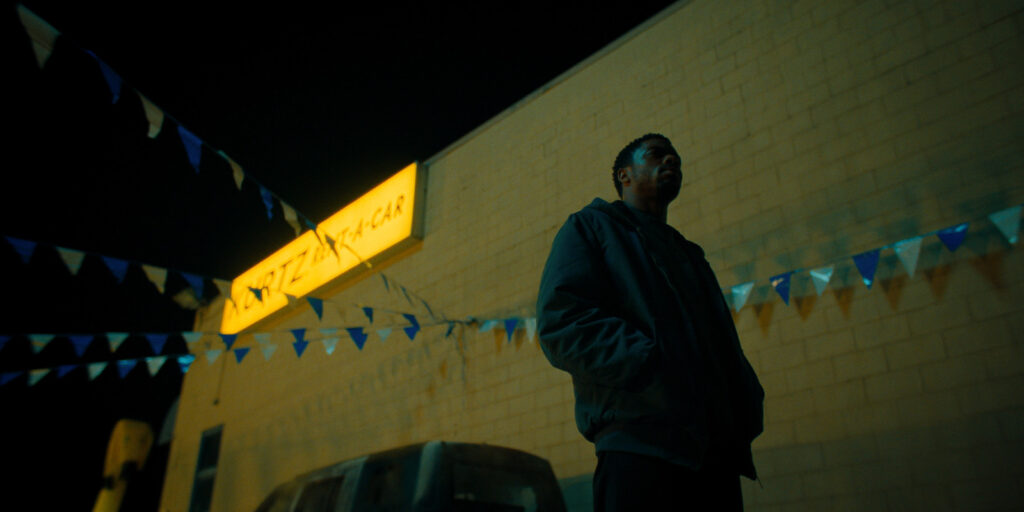
We had to figure out what would work in the moment. The actors and blocking are always the priority, therefore we had to stay reactive to what they found to be authentic and base our visual design around that. We were also conscious not to create an enemy or friend out of any character. You don’t know who you’re supposed to be buddy-buddy with or who you’re supposed to be afraid of, and that can change in the blink of an eye with literally anybody in that world.
Evolving the show’s DNA
One of the main aesthetic choices we carried through from the first season to the second was our choice of wide compositions and expressive camerawork. On paper, the world appears very grounded and straightforward. The satirical elements and absurdities needed to be highlighted throughout visual language for the viewer to fully contextualise the understated performance of Vince. For this season, we chose to shoot on ARRI Mini LF, paired with ARRI’s DNA lenses. This brought an impressionistic fingerprint to our image, as well as a grandness to the frame that I felt helped create a foundation of whimsicality to our world.
This approach was all built on wanting the world to feel very distinct and heightened and to have the audience live in a space that they subconsciously understood was not real – but one that was grounded enough in what is happening story-wise and emotionally to have the viewer understand the experiences of the characters. It can go anywhere and you accept that. It’s funny. It’s thrilling. It’s sad. And it’s a little horrific.
This episode and the entire season were a team effort. I want to shout-out to my incredible team: Operators Adam Van Steinburg and Shaoyun Wang, 1st ACs Yuka Eto and Darion Trotman, 2nds PJ Nijjar and Euan Bingham, DIT Shannon Cook, gaffer Todd Lapp, and key grip Devin Kaczmarski and their amazing G/E team – it was such a pleasure to spend our time together making this show become a reality. And a special thanks to both directors I got to work with for season two, Riley Stearns and Will Stefan Smith. And lastly, a special thanks to Vince Staples for entrusting me to carry out the visual direction for every episode of season two of The Vince Staples Show.